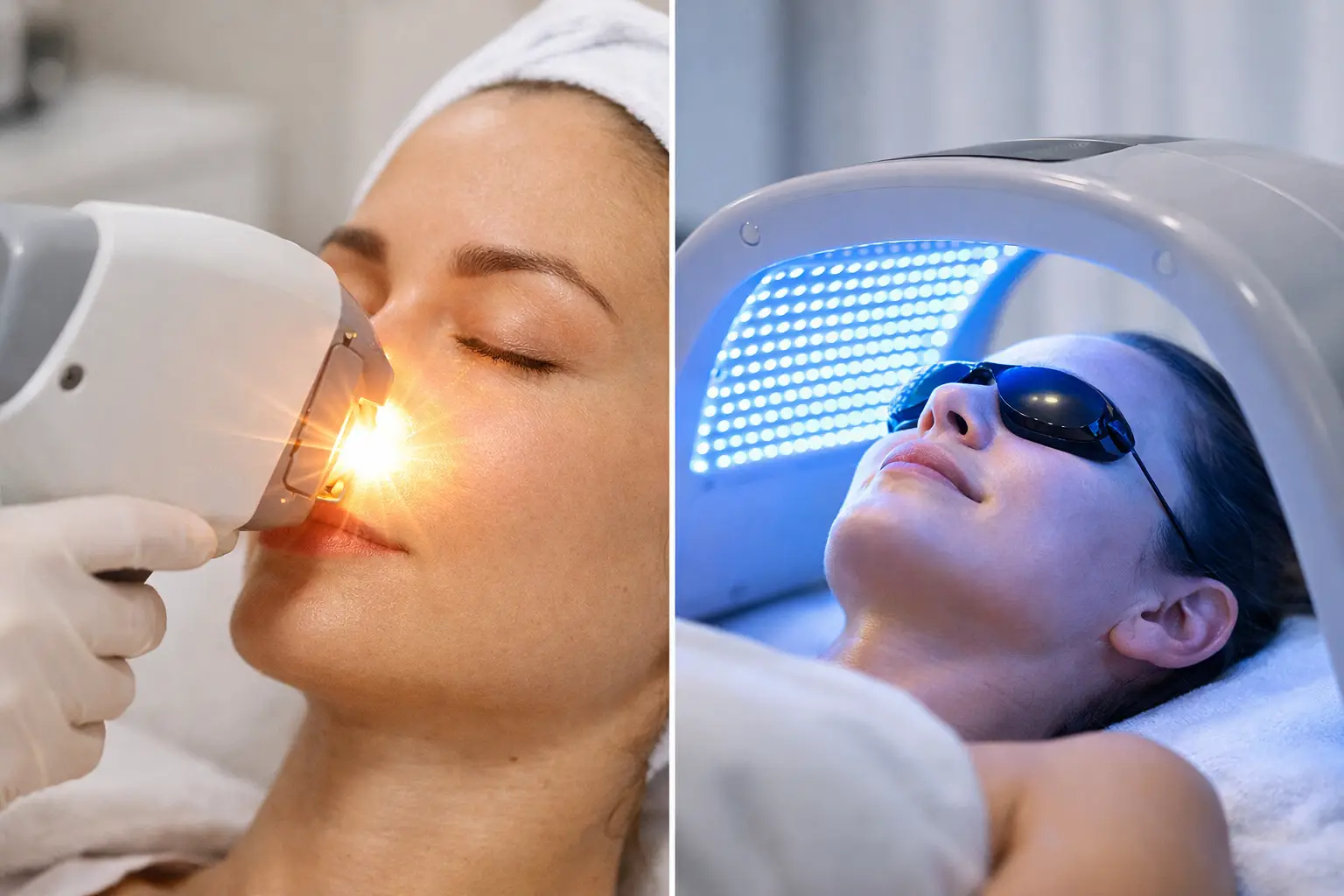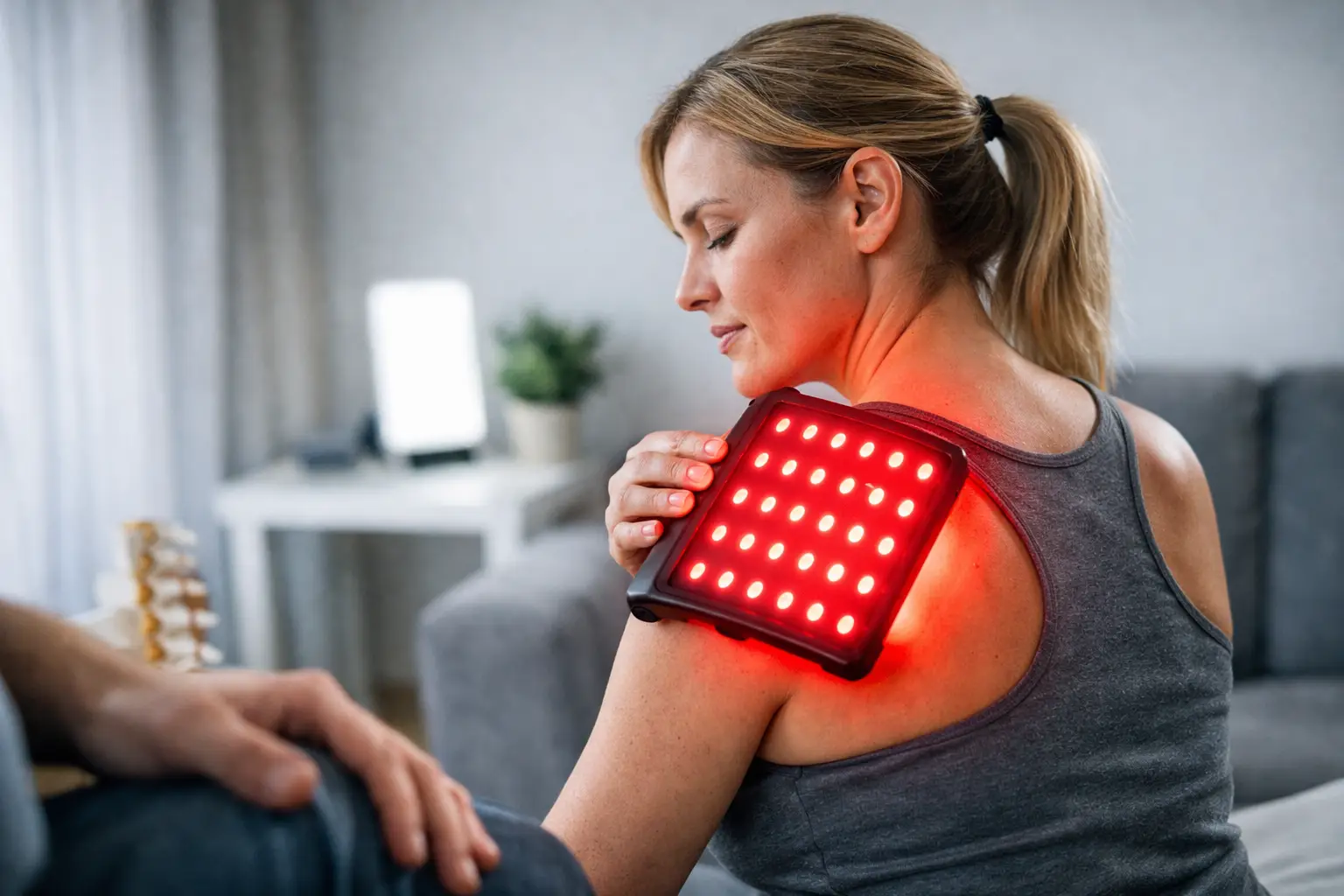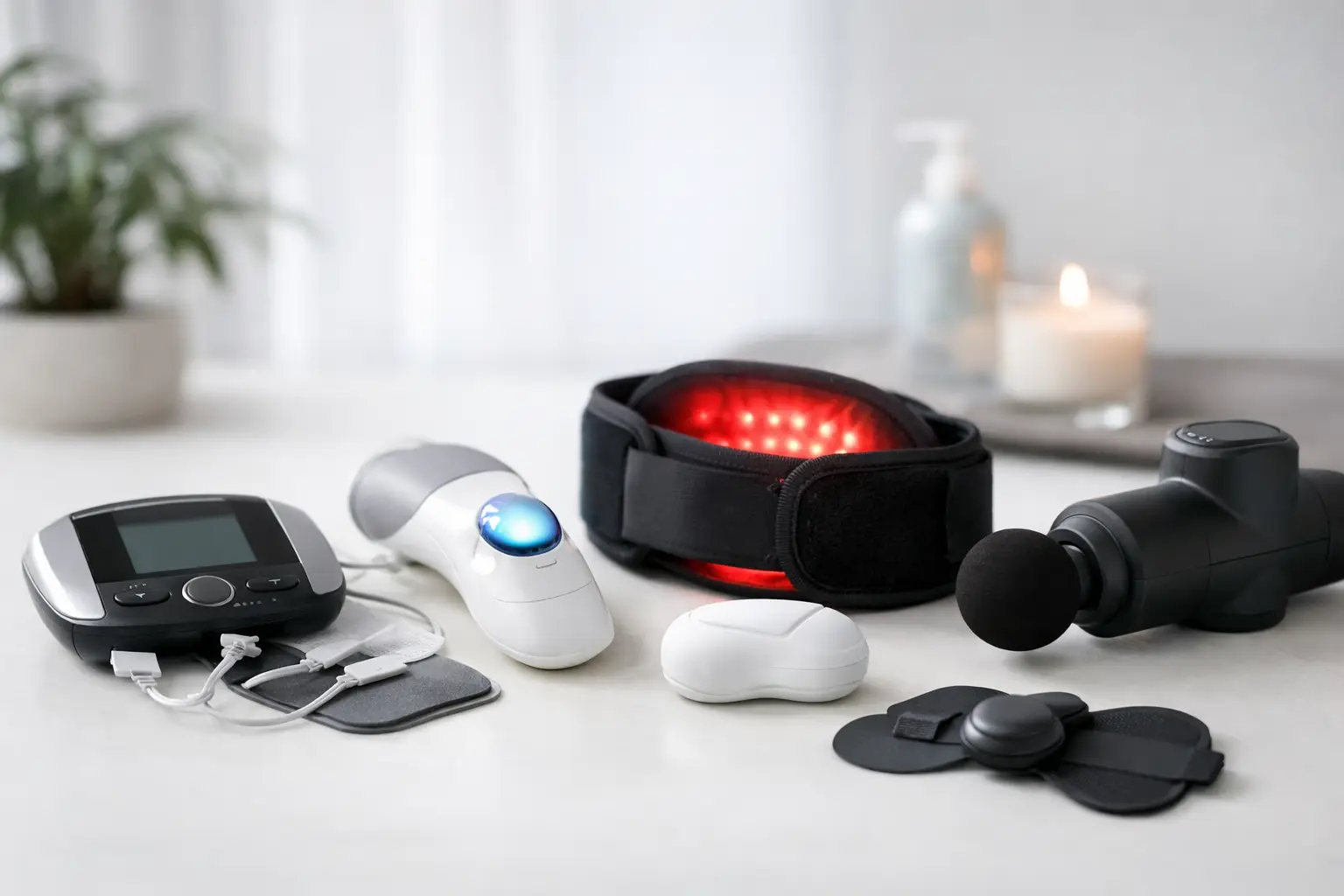
Pulsed Light Therapy Innovation Trends

Pulsed Light Therapy Innovation Trends

When a recovery tool moves from training rooms and clinics into everyday life, something bigger is happening than product design. Pulsed light therapy innovation trends are changing how people think about pain relief, healing, and performance support. What used to feel specialized now feels practical: a non-invasive option for sore joints, overworked muscles, lingering injuries, and the daily discomfort that can quietly steal mobility.

That shift matters because people are asking better questions. They are not just looking for temporary relief. They want solutions that fit real life, reduce dependence on medication, and help them stay active. For athletes, that means getting off the sideline and back in the game. For everyone else, it means walking, sleeping, working, and living with less pain and more control.

Why pulsed light therapy innovation trends matter now

The biggest trend is not only technical. It is personal. Consumers are more informed than they were a few years ago, and they are less willing to accept pain as a permanent trade-off for getting older, training hard, or recovering slowly. They want natural support that does more than cover symptoms.

Pulsed light therapy stands out because it goes beyond the basic idea of shining light on the body. The innovation conversation is increasingly focused on how light is delivered, not just that it is delivered. Frequency, pulse pattern, treatment consistency, and usability are now part of the value story. That is a major shift from older wellness categories where broad claims often replaced meaningful differentiation.

This is also why the category is attracting attention from two groups at once: people managing chronic discomfort and people pushing for physical performance. On the surface, those audiences look different. In practice, they are both trying to solve the same problem – how to recover better, move better, and stay active without adding more stress to the body.

The move from continuous light to pulsed delivery

One of the clearest pulsed light therapy innovation trends is the growing focus on pulsed frequency modulation. That may sound technical, but the real-world idea is simple. Delivery matters.

As more people learn about light therapy, they are starting to recognize that not all devices work the same way. Wavelength still matters. Power still matters. But pulse patterns are becoming a bigger part of the conversation because they may influence how the body responds to treatment.

This is where innovation is becoming more meaningful. Instead of treating light therapy as a one-size-fits-all category, newer devices are being positioned around how they stimulate the body more intentionally. That creates a stronger bridge between wellness users who want comfort at home and performance users who want targeted recovery support.

For consumers, the takeaway is not that every pulsed device is automatically better. It is that the market is getting more specific. The days of generic claims are giving way to more informed comparisons around mechanism, treatment design, and expected use.

Smarter home-use design is becoming the standard

Another important trend is the rise of home-use systems that feel less like stripped-down consumer gadgets and more like serious recovery tools. People want convenience, but they do not want to sacrifice effectiveness just to get it.

That has pushed innovation in a practical direction. Devices are becoming easier to position on the body, easier to use consistently, and easier to fit into real routines. That matters more than flashy features. A therapy device only helps if people actually use it.

This is where the category is maturing. The strongest products are no longer selling novelty. They are selling repeatable support. Someone dealing with knee pain, arthritis in the hands, shoulder tightness, or post-workout soreness needs treatment that feels accessible on Monday morning, not just impressive on a product page.

For brands in this space, usability is now part of performance. The easier a device is to integrate into daily life, the more likely it is to deliver meaningful results over time.

Recovery is no longer just for athletes

For years, advanced recovery tools were marketed mainly through elite sports. That still carries weight, and it should. Athletes often lead the way in discovering what helps the body bounce back faster. But one of the biggest innovation trends is that recovery technology is no longer staying in that lane.

Consumers now expect professional-grade ideas to be available at home. They want the same recovery mindset used by serious competitors, adapted for everyday pain, injury support, and long-term mobility. That creates a huge opening for pulsed light therapy because it speaks to both ambition and relief.

An amateur runner trying to calm a sore Achilles tendon and a retiree trying to manage daily joint stiffness may not describe their goals the same way. Still, both want more freedom of movement. Both want fewer setbacks. Both want a natural option that helps them keep doing what they love.

That overlap is driving innovation. Devices are being built and marketed for broad use cases rather than narrow niches. The winners in this category will be the ones that can support both performance recovery and everyday healing without making either audience feel like an afterthought.

Better education is becoming part of the product

One reason this market is gaining traction is that buyers are becoming more educated. They are reading more, comparing more, and asking tougher questions. Innovation is not only about engineering. It is also about clarity.

People want to understand what light therapy is supposed to do, how often it should be used, what kind of pain or recovery issue it may help with, and how long results can take. Brands that explain those points clearly build more trust than brands that rely on vague wellness language.

This is especially true in pulsed technology. If frequency is part of the differentiator, education has to keep up. A consumer should not need a medical background to understand why one form of delivery may matter more than another.

That is why research-backed messaging is becoming a real competitive advantage. Not because people want a textbook, but because they want confidence. They want to know they are choosing a therapy grounded in more than marketing.

Personalization is growing, but simplicity still wins

There is a clear push toward more personalized wellness tools across the health space, and light therapy is part of that movement. People are interested in targeted support for specific body areas, specific pain patterns, and specific recovery goals.

At the same time, there is a trade-off. Too much complexity can scare people off. If a device feels confusing, many users will stop before they start. So one of the smartest innovation trends is not endless customization. It is useful personalization wrapped in simple design.

That might mean treatment options that feel intuitive, protocols that match common needs, or device formats that make it easier to address real problem areas. The best innovation removes friction. It does not add it.

This is where a brand like Life Light fits naturally into the conversation. The strongest opportunity in pulsed light therapy is creating a system powerful enough for serious recovery while staying easy enough for everyday use. That balance is what turns interest into long-term results.

Trust, safety, and consistency are shaping buying decisions

As the category grows, consumers are getting more selective. They are looking beyond buzzwords and asking whether a device feels credible, safe, and consistent enough to become part of a health routine.

This is good for the industry. It raises the standard.

People living with chronic pain want reassurance that a device can support ongoing use without adding stress. Athletes want confidence that treatment is reliable enough to become part of training and recovery. In both cases, consistency matters more than hype.

That means the next wave of innovation will likely be less about gimmicks and more about trustworthy performance. Better build quality. Clearer treatment guidance. More transparent messaging. Smarter delivery systems. In wellness, that is what real progress looks like.

What to watch next in pulsed light therapy innovation trends

The future of this category will likely center on three connected ideas: better targeting, stronger consumer trust, and wider adoption across both pain relief and performance care. Expect to see more attention on how pulsed delivery supports different recovery goals, more emphasis on practical home use, and more demand for products that can serve both acute issues and ongoing discomfort.

That does not mean every claim in the market will hold up equally. As interest grows, there will be stronger products and weaker ones. Some devices will be built on thoughtful design and real differentiation. Others will chase the trend without offering much substance. That is normal in an emerging category.

The good news is that consumers are better prepared than ever to tell the difference. They are looking for natural solutions with real purpose. They want relief, but they also want momentum. They want healing that helps them stay independent, active, and ready for what comes next.

Imagine life without pain being the goal that shapes your wellness choices instead of a phrase that feels out of reach. That is why this category is worth watching. The most exciting innovation is not just new technology. It is the growing possibility that better recovery and better everyday living can happen in the same light.

Best Sports Injury Rehabilitation That Works

Best Sports Injury Rehabilitation That Works

A sprained ankle on Tuesday can turn into a missed season by Friday if rehab is rushed, guessed at, or ignored once the pain starts to fade. The best sports injury rehabilitation is not just about feeling better fast. It is about healing with enough structure, progression, and support to get you off the sideline and back in the game without setting yourself up for the same injury again.

For a lot of active adults, that is where recovery gets frustrating. You rest for a few days, the swelling goes down, and it seems like you should be ready. Then the first hard run, heavy lift, or weekend match brings the pain right back. Real rehabilitation asks a better question than, “Does it hurt today?” It asks, “Can your body handle the demands you want to place on it next week, next month, and next season?”

What the best sports injury rehabilitation actually looks like

The most effective rehab programs do three things at once. They calm pain and irritation, restore movement and strength, and rebuild confidence in the injured area. Miss one of those pieces and recovery often stalls.

Pain relief matters, but pain relief alone is not rehab. If inflammation settles while weakness, instability, or poor movement patterns stay in place, the body is still vulnerable. That is why the best sports injury rehabilitation usually combines targeted exercise, smart activity modification, tissue support, and consistent monitoring instead of relying on one tool or one appointment.

It also needs to match the injury. A strained hamstring does not recover the same way as a rotator cuff issue. Tendon pain behaves differently than a ligament sprain. A contact injury is different from an overuse problem that built up over months. Good rehab is never random. It is specific.

The phases of recovery matter more than most people think

Early on, the goal is usually to reduce irritation without shutting the body down completely. That might mean temporary rest from the activity that caused the injury, but not total inactivity. In many cases, gentle movement, light range-of-motion work, and carefully controlled loading help tissues recover better than doing nothing at all.

As pain becomes more manageable, rehab should shift into rebuilding mode. This is where strength, joint control, balance, coordination, and movement quality start to matter more. If your ankle is less swollen but still unstable, or your shoulder moves but lacks control overhead, you are not finished.

The final stage is where many people quit too early. Return-to-sport rehab is not the same as basic recovery. It should prepare your body for speed, impact, change of direction, power, and repetition. That means a runner may need graduated mileage and single-leg loading. A tennis player may need rotational power and shoulder endurance. A lifter may need progressive return to compound movements with clean mechanics.

Why “just rest” is rarely the full answer

Rest has a role, especially in the first stage of injury, but extended rest often creates new problems. Muscles weaken. Joints stiffen. Confidence drops. The line between protecting an injury and deconditioning the rest of the body can get very thin.

That is why the best sports injury rehabilitation is active whenever possible. Active rehab does not mean pushing through sharp pain or pretending nothing happened. It means using the right amount of movement at the right time so healing keeps moving forward.

This is also where people benefit from a plan instead of guesswork. If pain is trending down but function is not improving, your rehab may be too passive. If pain is climbing every time you train, you may be progressing too aggressively. The right answer is usually in the middle.

Best sports injury rehabilitation strategies for faster, smarter recovery

Exercise remains the foundation because it helps restore capacity, not just comfort. The right rehab exercise improves circulation, strength, control, and resilience in the injured area. But exercise works best when paired with a recovery environment that supports healing.

That can include sleep, hydration, anti-inflammatory nutrition habits, manual therapy when appropriate, and drug-free pain support that helps people stay consistent with rehab. Low level light therapy has become part of that conversation for a reason. Many athletes and active adults want a non-invasive option that can support circulation, comfort, and tissue recovery without adding another medication to the mix.

Used correctly, light therapy can fit naturally into a broader rehab routine. It should not replace progressive exercise or proper evaluation, but it may help support the healing process and make it easier to stay engaged with recovery work. For people looking to live better and recover brighter, that kind of support can be the difference between stopping rehab early and staying the course.

The biggest mistakes that slow recovery

One of the most common mistakes is chasing pain relief while ignoring function. If your knee feels better after treatment but still caves inward when you squat or land, the issue is not solved.

Another mistake is returning to full activity based on calendar timing instead of actual readiness. There is no magic number of days that guarantees tissue recovery. Some mild strains improve quickly. Some tendon issues need a much longer build. Progress should be based on symptoms, strength, tolerance, and sport demands.

The third mistake is underestimating the value of consistency. A perfect rehab session once a week will lose to a solid plan done regularly. Recovery usually responds to steady inputs, not heroic efforts.

How to tell if your rehab plan is good enough

A strong plan should make sense to you. You should know what phase you are in, what the current goal is, and what progress looks like. If your program feels like a random collection of stretches and band work with no progression, that is a red flag.

You should also be able to see measurable change. That might be less swelling, better range of motion, more load tolerance, improved balance, or the ability to perform sport-specific movements with control. Good rehab creates milestones.

The best programs also account for setbacks. Recovery is not always a straight climb. Some soreness is normal when load increases. A flare-up does not always mean damage. But your plan should help you adjust without losing momentum.

When home recovery tools make sense

Not everyone can get to a clinic multiple times a week, and not every injury needs constant in-person treatment. That is where at-home recovery support becomes valuable. The right tools can help people stay consistent between visits and maintain a routine that supports healing.

This is especially useful for active adults balancing training, work, and family life. If a recovery method is too complicated, too time-consuming, or too clinical for daily use, most people will abandon it. Simplicity matters.

That is one reason wellness-forward recovery technology continues to gain ground. A device that fits into daily life while supporting pain relief and recovery can help bridge the gap between professional-grade recovery and real-world consistency. Life Light speaks directly to that need by offering a non-invasive light therapy approach designed for both performance support and everyday healing.

Getting back in the game without going backward

The final test of rehab is not whether you can move. It is whether you can move well under real demand. Can you cut, jump, accelerate, rotate, lift, or repeat effort without compensation? Can you train today and still feel stable tomorrow?

That standard matters whether you are a competitive athlete or just someone who wants to hike, train, play pickup basketball, or keep up with your kids without pain. The goal is not only recovery. It is durable recovery.

The best sports injury rehabilitation is the kind that respects healing but does not baby the body forever. It reduces pain, rebuilds strength, restores trust in movement, and supports the return to full life. If your recovery plan does that, you are not just getting through an injury. You are building a stronger way forward.

Give your body the kind of support that helps it heal with purpose, because the right rehab does more than reduce pain. It helps you come back ready.

Does Red Light Therapy for Headaches Work?

Does Red Light Therapy for Headaches Work?

A headache can shut down a workout, derail a workday, or turn a normal evening into hours of waiting for relief. That is why more people are looking at red light therapy for headaches as a drug-free option that may help calm pain, reduce tension, and support recovery without adding another pill to the routine.

For people who want to stay active, stay sharp, and keep moving, that appeal is real. The bigger question is whether it actually helps, and if so, what kind of headache responds best. The answer is promising, but not one-size-fits-all.

How red light therapy for headaches may help

Red light therapy uses specific wavelengths of light to interact with tissue below the skin. In simple terms, the light is absorbed by cells and may support energy production, circulation, and a healthier inflammatory response. When headaches are tied to muscle tension, inflammation, stress, or strain, those effects may matter.

This is where the conversation gets practical. A headache is not just a headache. Tension headaches, cervicogenic headaches, post-workout strain, and migraine all have different triggers. Red light therapy is often discussed as supportive care, not a universal fix, because the source of pain changes what relief looks like.

For tension-related pain, the goal may be to relax tight muscles around the neck, shoulders, jaw, and scalp. For migraine, the goal may be broader support around inflammation, circulation, and nervous system stress. For people recovering from long hours at a desk, hard training, or poor sleep, light therapy may fit into a bigger recovery plan that helps them get off the sideline and back in the game.

What science suggests about light and headache relief

Research on light therapy for pain has grown, and some studies have explored headache and migraine specifically. The findings are encouraging enough to spark serious interest, especially for people who want non-invasive options. But the evidence is still developing, which means confidence should be paired with honesty.

Some people report less frequent headaches, lower pain intensity, or shorter episodes when light therapy is used consistently. One reason may be improved cellular energy. Another may be reduced muscle tightness and local inflammation. There is also interest in how light may influence blood flow and the nervous system, both of which play a role in headache patterns.

That said, results depend on several variables. The wavelength matters. The treatment area matters. Timing matters. The type of headache matters most. Someone with neck-driven headaches may respond very differently than someone with hormonally triggered migraines.

This is why red light therapy is best viewed as part of a smart relief strategy rather than a magic switch. It may help, sometimes significantly, but it is not a replacement for medical evaluation when headaches are severe, frequent, or changing.

Which headaches may respond best

The strongest real-world use case is often tension headache. If your pain tends to build across the forehead, temples, scalp, upper back, or neck after stress, screen time, poor posture, or training fatigue, red light therapy may support relief by targeting the soft tissue tension behind the pain.

Cervicogenic headaches may also be a fit. These headaches start in the neck and refer pain upward into the head. When stiffness, limited mobility, or muscle irritation is part of the picture, applying light to the neck and upper shoulders may be more useful than focusing only on the forehead.

Migraine is more complicated. Some people find light therapy helpful between attacks as part of a prevention and recovery routine. Others may be too light-sensitive during an active migraine to tolerate treatment comfortably. That does not mean the approach has no value. It means the timing and setup matter.

Sinus pressure can blur the line as well. If what feels like a headache is actually driven by congestion and inflammation around the sinuses, some people explore light therapy as a supportive tool. But if you have fever, infection, or symptoms that are worsening, you need proper medical care first.

What treatment actually looks like

Most people want to know the same thing right away: where do you use it, and for how long?

The answer depends on the pattern of your pain. For tension headaches, common treatment areas include the back of the neck, upper traps, jaw area, temples, and sometimes the forehead. If your headaches start after shoulder tightness or long hours hunched over, treating the neck and upper back may make more sense than chasing pain at the front of the head.

Sessions are usually short and consistent rather than intense and occasional. Many users build it into a daily or near-daily routine, especially during flare-ups or high-stress periods. A quick session after training, after work, or before bed may fit more naturally than waiting until the headache is full-blown.

Comfort matters. The treatment should feel manageable, not irritating. If direct light near the eyes or forehead feels unpleasant, that is a sign to adjust the approach, use proper guidance, and avoid forcing it. Better recovery comes from consistency, not from overdoing a session.

Why frequency and delivery can matter

Not all light therapy devices work the same way. Some deliver steady light. Others use pulsed delivery, which is gaining attention for how it may interact with tissue and the nervous system.

For headache support, that difference may be worth paying attention to. A pulsed system is designed to combine light with frequency-based delivery, which may offer another layer of stimulation beyond basic exposure alone. For people dealing with recurring pain, that can be appealing because headaches often involve more than one issue at once – muscular tension, inflammation, stress load, and nervous system irritation can all be in the mix.

Life Light stands apart here by using pulsed frequency modulation to deliver low level light therapy. For someone looking for a natural solution that fits both daily wellness and performance recovery, that kind of versatility matters. The same technology that supports recovery after training may also support relief when pain tries to slow your day down.

What red light therapy can and cannot do

The upside of red light therapy for headaches is clear. It is non-invasive, drug-free, and easy to work into daily life. It may help people who are trying to reduce how often they reach for pain medication, especially when headaches are tied to physical stress and inflammation.

It also supports a bigger goal that matters to this audience: preserving momentum. If you want to train, work, travel, parent, and live better without planning your life around pain, a tool that supports recovery has real value.

Still, there are limits. Light therapy is not emergency care. It is not the answer for headaches caused by uncontrolled blood pressure, infection, concussion, medication interactions, or neurological problems. It should not delay care for warning signs like sudden severe pain, vision loss, weakness, confusion, chest pain, or headaches that are new and escalating.

There is also the reality that some headaches need a multi-part plan. Hydration, sleep, posture, mobility work, stress regulation, and medical guidance may all matter. The people who get the best results are often the ones who use light therapy as one part of a smarter routine, not the only part.

How to know if it is worth trying

If your headaches tend to follow neck tension, hard training, long hours at a computer, poor recovery, or daily stress, red light therapy may be a practical option to explore. It fits especially well for people who want support before pain peaks and who are committed to using it consistently.

It may also be worth trying if you are looking for a natural recovery tool that does more than serve one purpose. A device that can support headaches, sore muscles, joint discomfort, and post-exercise recovery offers more day-to-day value than a single-use solution.

If you have migraine, the decision is more individual. Some people do well with carefully timed use between episodes or at early signs. Others need a darker, lower-stimulation environment during an attack. In that case, your best approach may be to test it cautiously, track your response, and talk with a healthcare professional if headaches are frequent or disruptive.

The real promise here is not hype. It is possibility. When pain relief supports recovery, and recovery helps you stay active, everything changes. If headaches have been stealing your focus, your workouts, or your peace of mind, a non-drug option that works with your body may be worth making part of your routine. Relief is not just about feeling better for an hour. It is about getting your life back, one consistent step at a time.

Arthritis Pain Relief That Helps You Keep Moving

Arthritis Pain Relief That Helps You Keep Moving

Mornings can tell the whole story. If your hands ache before you grip a coffee mug, or your knees protest before your feet even hit the floor, you are not just dealing with soreness. You are looking for arthritis pain relief that gives you more than a temporary break. You want to move better, trust your body again, and stay in the life you love.

That goal matters because arthritis is not only about pain. It changes how you train, how you work, how you sleep, and how long simple tasks take. For some people, it means avoiding walks they used to enjoy. For others, it means feeling older than they are. Real relief is not about pretending your joints never need support. It is about finding practical ways to reduce pain, calm inflammation, and keep momentum on your side.

What real arthritis pain relief should do

The best approach does not chase symptoms for a few hours and then leave you starting over. It should help lower day-to-day discomfort, improve joint function, and make movement feel possible again. That might mean less stiffness in the morning, fewer flare-heavy afternoons, or better recovery after exercise.

It also has to fit real life. If a strategy is too harsh, too complicated, or impossible to maintain, it usually does not last. Arthritis often requires consistency more than intensity. Small actions done regularly can outperform big efforts that burn out fast.

There is also no single answer for every person. Osteoarthritis, rheumatoid arthritis, and inflammatory joint issues can feel similar but behave differently. One person may need more support for swelling, while another needs help with stiffness and muscle guarding around the joint. That is why the smartest plan combines symptom relief with habits that support the joint over time.

Arthritis pain relief starts with motion, not rest alone

When a joint hurts, the instinct is to protect it by doing less. Sometimes that is the right move during a flare. But too much rest can backfire. Joints often get stiffer when they are not used, and muscles around them can weaken, which puts even more stress on the area.

The answer is controlled movement. Gentle walking, range-of-motion work, light strength training, or water exercise can support the joint without overloading it. You do not need to train like an athlete to benefit from movement. You just need the right amount, done consistently.

This is where people often get stuck. They know exercise helps, but pain keeps them from starting. That gap between knowing and doing is where relief tools matter most. If you can reduce pain enough to move with confidence, you create a better cycle. Better movement supports stronger muscles, stronger muscles support the joint, and the joint becomes easier to manage.

Where common relief methods help – and where they fall short

Medication can help some people get through rough days, especially when inflammation or pain spikes. Over-the-counter options may reduce discomfort for a while, and prescription treatments can play an important role depending on the type of arthritis. But many people are not looking for medication to be the whole plan. They want less dependence, fewer side effects, and more control.

Heat and cold therapy can also help, but they serve different purposes. Heat may ease stiffness and loosen tight tissue before activity. Cold may be better for swollen, irritated joints after activity. Both are useful, but neither usually changes the bigger pattern on its own.

Bracing, physical therapy, massage, and weight management can all be valuable too. The trade-off is that some approaches require appointments, repeated costs, or ongoing trial and error. That does not make them bad options. It just means most people need something they can use more consistently at home.

A natural option gaining attention for arthritis pain relief

Low level light therapy has become a serious option for people who want a non-invasive, drug-free way to support painful joints. It is used by people managing chronic discomfort and by athletes trying to recover faster and stay ready. That overlap is part of what makes it compelling. Relief and performance are not separate goals when your priority is staying active.

Light therapy works by delivering specific light energy to the body, with the goal of supporting cellular function and circulation while helping calm pain and inflammation. For arthritis, that matters because the joint is rarely the only issue. Surrounding tissue often gets tight, irritated, and less willing to move normally. Supporting the cells in that area can help create a better environment for recovery and comfort.

Not all devices are built the same, and that matters. Power, treatment consistency, and delivery method can affect the experience. Some systems also use pulsed frequency modulation, which adds another layer to how the light is delivered. For people looking for practical home support instead of one more gadget that ends up in a drawer, those differences are worth paying attention to.

Why consistency beats intensity

People with arthritis often think relief has to come from one major intervention. In reality, steady support usually wins. A short daily routine is often more effective than occasional overcorrection after pain gets bad.

That applies to movement, recovery, and wellness tools alike. If your knees feel better after light activity, do not wait until pain forces you to start again. If your hands loosen up when you use a supportive therapy regularly, make it part of your normal rhythm. Arthritis is easier to manage when you stop treating relief like an emergency response.

This is one reason at-home light therapy is appealing. It can fit into a morning routine, post-workout recovery, or evening wind-down without adding much friction. That simplicity matters. The easier a tool is to use, the more likely it becomes part of a routine that lasts.

Building a better routine for painful joints

A strong arthritis routine is not complicated, but it does need to be intentional. Start by noticing your patterns. Are you stiffer in the morning, more swollen at night, or worse after long periods of sitting? Those clues tell you when to use movement, heat, recovery support, or light therapy.

For many people, the best rhythm looks something like this: gentle mobility early in the day, regular movement breaks instead of staying in one position too long, and targeted recovery support when the joint starts feeling overloaded. Strength work can be added in a way that respects pain instead of pushing through it.

Food, sleep, and stress also matter more than people think. Poor sleep can amplify pain sensitivity. High stress can increase muscle tension and make symptoms feel sharper. You do not need a perfect lifestyle to feel better, but your body handles arthritis more effectively when recovery is part of the plan.

When to push and when to pull back

This is where nuance matters. Not every ache means stop, and not every good day means go all out. Arthritis responds best when you stay active without swinging between inactivity and overdoing it.

A useful rule is this: if movement reduces stiffness and leaves you feeling looser, you are probably in the right zone. If activity causes pain that keeps building and lingers long after you finish, the load is likely too high. Relief is not about proving toughness. It is about staying in the game long enough to keep living well.

That same mindset applies to recovery tools. The right support should help you function better, not become a substitute for listening to your body. Think of it as a way to stack the odds in your favor – less pain, better movement, more confidence.

Relief that supports the life you want

The biggest shift happens when arthritis pain relief stops being about getting through the day and starts becoming a strategy for living fully. Maybe that means gardening without dreading the next morning. Maybe it means getting off the sideline and back in the game. Maybe it simply means opening a jar, climbing stairs, or taking a walk without planning around pain.

That is why natural, non-invasive support matters. It gives people another path forward – one that aligns with independence, mobility, and a stronger daily routine. For many, Life Light fits into that path by offering light therapy that supports pain relief and recovery in a way that feels practical, powerful, and easy to use at home.

You do not have to wait for a perfect fix to start feeling better. The right relief plan helps you move sooner, recover smarter, and hold onto the activities that make you feel like yourself. Imagine life with less pain and more freedom in your joints. That is not just a comforting idea. It is a direction worth moving toward every day.

Pulsed Light Therapy vs Continuous Light

Pulsed Light Therapy vs Continuous Light

If you are comparing pulsed light therapy vs continuous light, you are already asking a smarter question than most shoppers do. Not all light therapy is delivered the same way, and that difference can shape how a device feels, how long you use it, and what kind of support it may offer for pain, recovery, and daily performance.

For anyone trying to stay active without leaning harder on medication, this matters. The right light delivery method can be the difference between a tool that fits naturally into your routine and one that looks good on paper but does not match your goals in real life.

What is the difference between pulsed light therapy vs continuous light?

At the simplest level, continuous light delivers a steady stream of light the entire time the device is on. Pulsed light delivers light in rapid on-and-off intervals. Both approaches are used in low level light therapy, and both are designed to expose tissue to beneficial wavelengths of light. The key difference is not just whether the light is “always on.” It is how that energy is delivered over time.

Continuous light is straightforward. It provides a constant output, which can make it easier to understand and easier to compare across basic specifications. Many devices on the market use this format because it is familiar and simple.

Pulsed light adds another layer. Instead of a constant beam, the light is modulated in pulses or frequencies. That means the body is not only receiving light energy, but receiving it in a patterned way. For brands built around frequency-based delivery, that pattern is not a side feature. It is the point.

Why delivery method matters for pain relief and recovery

When people hear “light therapy,” they often focus only on wavelength, such as red or near-infrared. Wavelength does matter because it affects how deeply light may penetrate and what tissues it may influence. But delivery method matters too.

Think about recovery after a hard workout, a flare-up of arthritis, or a shoulder that has been bothering you for months. You are not just looking for exposure to light. You are looking for meaningful support – less discomfort, better movement, faster recovery, and a real shot at getting off the sideline and back in the game.

That is where pulsed delivery gets attention. Supporters of pulsed light therapy believe frequency modulation may help stimulate cells differently than a constant beam. Depending on the device, that may shape how the treatment is absorbed, how comfortable it feels, and how useful it is for ongoing daily use.

This is also where nuance matters. More advanced does not automatically mean better for every person in every case. A simple continuous light device may still be helpful for general wellness use. But if your goal is targeted support for pain, inflammation, injury recovery, or performance readiness, the way the light is delivered deserves a closer look.

Continuous light: where it works well

Continuous light has a clear advantage in simplicity. It is easy to explain, easy to use, and often used in clinics, spas, and home wellness devices. For some users, that straightforward approach is appealing. Turn it on, place it over the area, and let the session run.

It can also make sense for people who are brand new to light therapy and want a basic entry point. If someone is using light support for general skin wellness or broad relaxation goals, continuous light may feel like enough.

But simple is not the same as optimal. If a person is dealing with stubborn pain, a sports injury, recurring inflammation, or a chronic issue that affects quality of life, they may want more than basic exposure. They may want a delivery method designed to do more than shine light on the area.

Pulsed light therapy: why many users prefer it

Pulsed light therapy is often discussed in terms of stimulation. Rather than delivering one uninterrupted stream, the device sends light in intervals. That pulsing effect may create a different biological response than continuous exposure alone.

For users, the benefit is not academic. It is practical. People want to move with less pain, recover with less downtime, and maintain the freedom to stay active. Athletes want to train hard and bounce back faster. Adults managing chronic discomfort want support that fits into life without adding another pill, injection, or complicated protocol.

That is why pulsing stands out. It aligns with a more intentional approach to recovery – one that does not just apply energy, but delivers it in a patterned way. Life Light is built around that exact difference, using pulsed frequency modulation to combine light with frequency delivery in one system.

Pulsed light therapy vs continuous light for athletes

Athletes tend to care less about theory and more about results. Can I recover faster? Can I support sore muscles? Can I stay consistent in training? Can I do something now that helps me perform tomorrow?

In that setting, pulsed light therapy can be especially appealing because recovery is rarely passive. Training places stress on the body in cycles. Rest, repair, and readiness are all dynamic. A pulsed system fits naturally into that mindset because it is designed around active stimulation rather than steady exposure alone.

That does not mean continuous light has no place. It can still be useful as a general recovery tool. But for athletes who want every edge they can get without invasive treatment, pulsed delivery often feels more aligned with performance support.

The same is true for weekend warriors. You do not need to be a pro to care about staying mobile, healing well, and keeping pain from stacking up over time.

What chronic pain sufferers should consider

If you live with arthritis, recurring joint pain, headaches, back tension, or everyday inflammation, consistency matters more than hype. The best device is not the one with the most technical language. It is the one you can use regularly, comfortably, and with confidence.

That is where the pulsed light therapy vs continuous light conversation becomes personal. Some people want the most straightforward option possible. Others want a device that feels more purpose-built for cellular stimulation and long-term support.

Pulsed light may be attractive for chronic pain users because it offers a different delivery experience and may support tissue response in a more targeted way. Continuous light may still be useful, but it can feel more generic depending on the device.

The right question is not “Which is universally better?” The right question is “Which approach best matches what my body needs right now?”

Specs matter, but so does real-world use

A lot of buyers get stuck comparing charts. They look at wavelengths, power output, treatment time, and coverage area. Those details matter. But they are only part of the picture.

Real-world use matters just as much. Does the device fit into your routine? Can you use it on a sore knee before work, on your back after a long day, or on overworked muscles after training? Does it feel like a practical recovery tool or another gadget that ends up in a drawer?

Pulsed systems often appeal to users who want a more intentional recovery experience. Continuous systems may appeal to users who want absolute simplicity. Neither factor should be ignored.

So which one should you choose?

If you want a basic, steady delivery of light and prefer the simplest possible setup, continuous light may meet your needs. It is familiar, accessible, and widely available.

If you want a more advanced approach that combines light exposure with pulsed frequency modulation, pulsed light therapy may be the stronger choice. That is especially true if your goals include pain relief, injury recovery, inflammation support, or athletic performance.

For many people, the real appeal of pulsed light is that it feels active. It feels like a recovery tool built to help you do something meaningful – move better, heal better, and live with more freedom. That is a powerful difference when pain has been setting the pace of your life.

The best light therapy device is not just the one with impressive specs. It is the one that helps you imagine life without pain, then gives you a practical way to move toward it – one session, one workout, one better day at a time.

How to Use Light Therapy for Pain Relief

How to Use Light Therapy for Pain Relief

Pain changes the way you move, train, sleep, and show up in daily life. If you’re looking for a drug-free option that helps you stay active and recover with confidence, learning how to use light therapy for pain can be a smart next step.

Light therapy is simple in practice, but the way you use it matters. The right placement, timing, and consistency can make the difference between occasional relief and a routine that helps you feel stronger, looser, and more capable day after day.

How to use light therapy for pain the right way

Low level light therapy works by delivering specific wavelengths of light to the body. That light interacts with cells and supports natural processes tied to circulation, recovery, and tissue repair. For people dealing with sore joints, overworked muscles, inflammation, or chronic discomfort, the goal is not to numb the area. The goal is to help the body recover better.

That matters because pain is not always coming from one simple source. A stiff knee after a long run, arthritis in the hands, shoulder tension from desk work, and a lingering back strain may all feel different and respond on different timelines. Light therapy can support all of these, but results depend on the condition, how long it has been there, and how consistently you use the device.

Start by identifying the exact area you want to treat. Be specific. Instead of saying your whole leg hurts, think in terms of the outer knee, lower hamstring, Achilles, or hip flexor. Focus helps you treat the tissue that needs support instead of guessing.

Next, position the device so the light reaches the target area directly. Clean, bare skin is usually best when possible, since thick clothing can block or reduce light exposure. Hold or place the device according to its instructions and make sure the treatment area is fully covered. If the painful region is larger, such as the low back or quad, you may need to treat more than one spot in the same session.

Session length depends on the device and the issue you’re addressing. In general, shorter and consistent sessions tend to work better than random long ones. A fresh injury or post-workout soreness may respond well to regular daily use early on, while long-term joint pain often improves with a steady routine over weeks rather than days.

Where to place light therapy for the best results

Placement is one of the biggest factors in whether treatment feels effective. For muscle pain, place the light over the most tender or tight section and also consider the tissue above and below it. Pain often spreads, and the source is not always exactly where you feel it.

For joint pain, aim around the joint line rather than only on one painful point. If you have knee discomfort, for example, treating the front of the knee may help, but so can treating the sides and the tissue around it. The same goes for wrists, elbows, ankles, and shoulders.

For back or neck pain, work section by section. A larger area may need a more methodical approach rather than one quick pass. If your discomfort is tied to tension and inflammation, covering the full affected region can be more useful than focusing on a single spot.

Headaches can be more nuanced. If they are related to muscle tightness in the neck or upper shoulders, treating those areas may be part of the strategy. If pain is severe, persistent, or unusual for you, it makes sense to speak with a healthcare professional before relying on home treatment alone.

How often should you use light therapy for pain?

This is where patience pays off. Many people expect one treatment to fix a problem that has been building for months or years. Sometimes you feel relief quickly, especially with workout soreness or mild flare-ups. Chronic pain usually asks for more consistency.

A common starting point is daily use or near-daily use for the first few weeks. That gives the body repeated support instead of isolated exposure. Once symptoms improve, some people shift to a maintenance routine several times a week.

If you’re an athlete or highly active adult, you may use light therapy in different ways depending on the moment. Before training, it may be part of a readiness routine for areas that tend to tighten up. After training, it can support recovery in hard-worked muscles and joints. During injury recovery, the focus is usually more targeted and more frequent.

If you live with arthritis or chronic stiffness, consistency matters even more than intensity. Build it into your normal rhythm, the same way you would stretching, hydration, or sleep habits. Relief tends to build when the routine is realistic enough to maintain.

What to expect when using light therapy

Light therapy is not usually dramatic in the moment. Some people notice warmth, reduced tightness, or easier movement after a session. Others realize it is working because they wake up with less stiffness, recover faster, or can move through the day with fewer setbacks.

That slower pattern can actually be encouraging. It means you are supporting function, not just chasing a temporary masking effect. For many people, the win is not a sudden miracle. It is getting off the sideline and back in the game, whether your game is lifting, gardening, walking the dog, or making it through the workday without constant discomfort.

There are trade-offs to keep in mind. Light therapy is easy to use at home, but it still requires commitment. It is non-invasive and drug-free, but it is not a substitute for medical evaluation when pain is severe, worsening, or tied to major injury. And while it can be a powerful part of a recovery plan, it often works best alongside smart movement, rest, hydration, and a clear diagnosis when needed.

How to use light therapy for pain in specific situations

For arthritis, focus on the joint consistently and give it time. Hands, knees, and shoulders often need repeated sessions before changes in stiffness and comfort become obvious. The aim is to support mobility and reduce the day-to-day drag that chronic inflammation creates.

For sports injuries, timing matters. If the area is acutely sore after a strain, sprain, or impact, use the device according to instructions and keep treatment focused on the injured tissue and surrounding area. Recovery can move in stages, so what helps in the first few days may look different from the routine you use two weeks later when rebuilding strength and movement.

For general muscle soreness, use light therapy soon after activity or later the same day. Quads, calves, hamstrings, shoulders, and lower back are common targets. This can be especially helpful when you are training hard and trying to recover fast enough to stay consistent.

For chronic back or neck pain, think long term. These areas are often influenced by posture, repetitive movement, and stress, which means relief may require both local treatment and changes in daily habits. Light therapy can help support the tissues, but the bigger payoff often comes when you pair it with better movement and recovery habits.

Safety and smart use

Most people are drawn to light therapy because it feels approachable. No needles. No downtime. No medication schedule to manage. That said, using it responsibly still matters.

Follow device instructions closely, especially around treatment time and distance from the body. Protect your eyes if recommended for your device. Do not use light therapy as a reason to push through sharp pain, obvious instability, or an injury that clearly needs medical care.

It is also worth paying attention to progress instead of guessing. Pick one or two markers that matter to you, such as pain while walking, morning stiffness, grip comfort, or how quickly you bounce back after training. Small changes are easier to notice when you know what you are measuring.

Some devices go beyond standard light delivery by adding pulsed frequency modulation, which may help support cellular response in a different way. That performance-and-wellness crossover is part of what makes systems like Life Light appealing to both competitive athletes and people who simply want to move without pain.

The best routine is the one you will actually use. Keep the device where it fits naturally into your day. Use it before your morning walk, after a workout, or while winding down at night. Relief does not have to be complicated to be meaningful.

Imagine life without pain not as a slogan, but as momentum. A little more range of motion. A little less hesitation. A faster return to the things that make you feel like yourself.

A Guide to Natural Support for Chronic Discomfort

A Guide to Natural Support for Chronic Discomfort

Chronic discomfort rarely stays in one lane. It shows up when you get out of bed, when you try to work, when you want to train, and when you just want to enjoy a normal day without thinking about your body every few minutes. This guide to natural support for chronic discomfort is built for people who want more than temporary cover-up. If your goal is to move better, recover faster, and stay active without leaning harder on medications, there are real options worth understanding.

The first thing to know is that chronic discomfort is not always a sign that you should stop everything. Sometimes rest helps. Sometimes too much rest makes stiffness, weakness, and pain sensitivity worse. That is why natural support works best when it is not treated like a single fix. The strongest approach usually combines recovery habits, inflammation support, movement, and targeted tools that help the body do what it is already designed to do.

What natural support really means

Natural support does not mean ignoring serious symptoms or pretending every condition can be handled at home. It means using non-invasive, drug-free strategies that help reduce strain, calm irritation, and support healthier function over time. For some people that may include walking, mobility work, sleep improvement, hydration, and anti-inflammatory food choices. For others, it may also include bodywork, heat or cold, compression, or low level light therapy.

The reason this matters is simple. Chronic discomfort often has more than one driver. It may involve inflammation, overuse, old injuries, nerve irritation, poor circulation, muscle guarding, limited joint motion, or tissue that never fully recovered the first time. If you only address one piece, progress can stall.

A guide to natural support for chronic discomfort that fits real life

The best plan is one you can actually repeat. You do not need a perfect wellness routine. You need consistent actions that lower the daily load on your body and give it a better recovery environment.

Start with movement. That may sound counterintuitive when you hurt, but the right kind of movement often helps more than complete inactivity. Gentle walking, range-of-motion work, light strength training, and controlled stretching can improve circulation, reduce stiffness, and keep muscles from weakening around sensitive joints. The key is dosage. Too little can leave you tight and deconditioned. Too much can trigger a flare-up. A good rule is to stop chasing soreness as proof that it worked.

Sleep is another major factor, and it is often underrated. Poor sleep increases pain sensitivity, slows recovery, and can make discomfort feel more widespread. If your body is always on alert, your nights may not feel restorative. Better sleep hygiene is not glamorous, but it is powerful. A cooler room, consistent bedtime, less screen exposure late at night, and attention to caffeine timing can all make a difference.

Food also plays a supporting role. No single diet erases chronic pain, but a pattern built around whole foods can help reduce some of the background stress that keeps the body inflamed and run down. Many people feel better when they center meals around quality protein, colorful produce, healthy fats, and enough water. If you notice certain foods leave you more swollen, sluggish, or achy, that is useful information. Your body often gives honest feedback when you listen closely.

The role of hands-on and at-home relief tools

Natural support gets more practical when you look at the tools people use between workouts, between appointments, and between flare-ups. Heat can help loosen tight muscles and improve comfort before movement. Cold can be useful for acute irritation or after overdoing it. Massage, foam rolling, and gentle soft tissue work may help some people reduce tension, though it depends on the condition and how reactive the area is.

This is where many people start looking for a better long-term option. They want something drug-free, something they can use consistently, and something that supports the body instead of numbing it. Low level light therapy has gained attention for exactly that reason. It is non-invasive, easy to use at home, and often used by both everyday pain sufferers and high-level athletes who need recovery support without downtime.

Light therapy works by delivering specific wavelengths of light to tissue, where it can support cellular activity, circulation, and recovery. For people dealing with stubborn joint discomfort, old injuries, muscle soreness, or inflammation-related pain, that can be a meaningful part of a bigger routine. Some systems also use pulsed frequency delivery, which adds another layer to how the light interacts with the body. That combination is part of what makes Life Light stand out for people who want a natural recovery tool that supports both comfort and performance.

Where people often get stuck

One of the biggest mistakes in any guide to natural support for chronic discomfort is making it sound like every body responds the same way. It does not. Two people can have knee pain for completely different reasons. One may need more strength and joint support. Another may need less impact, better tissue recovery, and more sleep. That is why progress usually comes from paying attention to patterns instead of copying someone else’s routine exactly.

Another common problem is expecting fast, dramatic change from gentle methods. Natural support often works by building momentum. You may not feel transformed after one walk, one stretch session, or one use of a recovery device. But when the right methods stack up over days and weeks, many people notice lower pain intensity, fewer flare-ups, better mobility, and more confidence using their body again.

That confidence matters. Chronic discomfort can make people pull back from life. They stop exercising, stop traveling, stop playing with their kids, stop competing, or stop doing the simple things that used to feel easy. The goal of natural support is not just relief for relief’s sake. It is getting off the sideline and back into your life.

How to build a routine you will actually keep

Start small and stay honest. If your discomfort has been with you for months or years, your plan does not need to be extreme. It needs to be repeatable. Choose one movement habit, one recovery habit, and one support tool you can use consistently.

For example, that may look like a ten-minute walk in the morning, a short mobility session in the evening, and targeted light therapy on the area that usually flares up after work or training. For someone else, it might mean gentle strength work three days a week, improving sleep, and using heat before movement and light therapy after activity. The details can vary, but the structure should feel realistic.

It also helps to track what changes. Notice when discomfort is worse, what activities help, how long flare-ups last, and what improves your ability to function. Pain scores alone do not tell the whole story. Better markers include walking farther, standing longer, sleeping deeper, or recovering faster after a workout.

When natural support should include professional guidance

Natural support is not the same as going it alone. If your discomfort is worsening, waking you up at night regularly, causing numbness or weakness, or following a significant injury, get evaluated. The best results often come when home strategies and professional care work together.

That can still fit a natural, drug-free philosophy. A physical therapist may help identify movement patterns that keep reloading an irritated area. A clinician can rule out conditions that need more specific treatment. Then your home routine becomes more targeted instead of guesswork.

Relief, recovery, and staying in the game

There is a reason so many people are looking beyond temporary pain management. They want to feel capable again. They want relief that supports healing, not just silence. They want to stay active, independent, and strong enough for daily life or competitive goals.

Natural support for chronic discomfort works best when you think in terms of recovery capacity. The more you support sleep, movement, circulation, tissue health, and inflammation balance, the more room your body has to perform and heal. That does not mean every day will be pain-free. It means your baseline can improve, your flare-ups can become more manageable, and your body can feel like yours again.

Imagine life with less hesitation. Not because you found one magic answer, but because you built a smarter system for relief and recovery. Start with what you can do today, keep what helps, and give your body the kind of support that helps it live better and live brighter.

How to Apply Low Level Light After Workouts

How to Apply Low Level Light After Workouts

That sore, heavy feeling that hits a few hours after training can be a sign of progress, but it can also slow your next session. If you want to know how to apply low level light after workouts, the goal is simple: use it at the right time, on the right areas, and with enough consistency to help your body recover instead of just waiting out the soreness.

Low level light therapy has become a serious recovery tool because it supports the body without adding more stress. For athletes, weekend warriors, and anyone trying to stay active without relying on pain pills, it offers a practical way to calm post-workout inflammation, support circulation, and help muscles and joints bounce back faster. Imagine life without pain holding you back from your next workout.

Why post-workout timing matters

After exercise, your body is busy repairing tissue, managing inflammation, and restoring energy in the muscles. That recovery window matters. It is when stiffness starts building, small strains can become bigger issues, and fatigue can carry over into the next day.

Applying low level light after workouts is meant to support that process, not override it. You are not trying to numb your body or force it to recover instantly. You are giving your cells a supportive signal at a time when they are already working hard. That is why many people use light therapy shortly after training, once the workout is finished and the body shifts from effort into repair.

This is also where expectations matter. Light therapy is not magic, and it does not replace sleep, hydration, protein, or smart programming. But used well, it can be one of those small habits that helps you stay off the sideline and back in the game faster.

How to apply low level light after workouts

The best approach is usually targeted, not random. Start by thinking about what you trained and where you feel the most demand. If you did a lower-body session, your quads, hamstrings, glutes, calves, knees, or hips may be the right places to focus. If you trained upper body, your shoulders, elbows, forearms, chest, or upper back might need the most attention.

Use the device on clean, dry skin whenever possible. Place it directly over or very close to the area you want to support. Light works best when it can reach the tissue without barriers, so heavy clothing between the device and your body usually reduces effectiveness.

In most cases, you will want to treat the specific muscles or joints that took the greatest load. A hard sprint session may call for calves, hamstrings, and hips. A heavy pressing workout may call for shoulders, pecs, and elbows. If one side feels tighter or more aggravated, spend your attention there rather than splitting time evenly just because it seems more balanced.

Timing can vary by device and protocol, but many people use low level light within minutes to a few hours after finishing exercise. That gives the body support during the early recovery phase. If you cannot do it immediately, later the same day can still make sense. Consistency over time often matters more than perfect timing on any single session.

Where to use light after different types of training

Muscle soreness is only part of the picture. Training creates stress across muscles, tendons, ligaments, and joints, and each workout pattern leaves its own recovery footprint.

After strength training, focus on the prime movers and any joints that feel compressed or irritated. For leg day, that often means quads, glutes, hamstrings, knees, and lower back depending on the lifts. After upper-body lifting, shoulders and elbows are common recovery targets because they handle a lot of repetitive force.

After running, field sports, or interval work, calves, Achilles areas, knees, hips, and feet often carry the greatest demand. These zones can benefit from regular post-session support, especially if you are increasing mileage, adding hills, or returning from a minor overuse issue.

After mobility work, yoga, or lighter activity, you may not need as much treatment time, but light can still be useful on chronic trouble spots. For some people that means an arthritic knee. For others it is a stiff shoulder that always seems to flare up when training volume climbs.

How long should you use it?

This depends on the device, the treatment area, and the intensity of your session. The most important rule is to follow the product directions rather than assuming more time always means better results.

That said, post-workout use tends to work best when it is deliberate and repeatable. A brief, focused session on the right body part can be more helpful than moving the device around too quickly over half your body. Recovery responds to enough exposure, not rushed exposure.

If you are dealing with deep soreness or a nagging issue, you may find that regular daily sessions help more than using it only after your hardest workouts. Acute post-exercise fatigue and chronic pain are not the same thing, so the rhythm of use may need to change depending on what your body is asking for.

What low level light can help with after exercise

Used properly, low level light may help reduce the intensity of delayed soreness, support circulation, and calm irritated tissue. For active people, that can mean less stiffness when getting out of bed, better movement the next day, and a more manageable return to training.

It may also help people who are training around old injuries. A previous ankle sprain, chronic tendon irritation, or arthritic joint can become the weak link after a workout. Supporting those areas after exercise can help keep recovery from turning into a setback.

This is one reason light therapy appeals to both athletes and everyday users. The same session that helps a competitor recover from hard intervals can also help someone manage joint discomfort after a long walk or a home strength workout. Recovery is not only about performance. It is about staying active, independent, and confident in your body.

Common mistakes to avoid

One common mistake is treating only where it hurts and ignoring the surrounding tissue. Pain in the knee, for example, may be connected to hard-working quads, calves, or hips. Local treatment matters, but context matters too.

Another mistake is using light therapy once or twice and expecting a dramatic transformation. Some people feel a difference quickly, especially with soreness or stiffness. Others notice the real benefit after a pattern of use. It depends on your training load, age, tissue health, and whether you are dealing with simple fatigue or something more persistent.

A third mistake is using low level light as permission to ignore recovery basics. If you are under-sleeping, under-eating, and pushing through pain signals, no tool will fully cover that gap. Light therapy works best as part of a smarter recovery routine, not as a substitute for one.

Should you use it before or after exercise?

There is no universal answer because it depends on your goal. Before a workout, some people use light to prepare a stiff area, improve comfort, or support readiness. After a workout, the focus shifts toward repair and recovery.

If your main issue is post-training soreness, use it after. If your main issue is getting a cranky joint or muscle ready to move well, pre-workout use may also have value. Many active people end up doing both at different times of day based on what they are trying to solve.

That is where a frequency-based system can stand out. Life Light is designed to deliver light with pulsed frequency modulation, which adds another layer of support for people who want more from their recovery routine than basic heat, ice, or passive rest.

Building it into a real routine

The easiest recovery habit is the one you will actually keep. That means attaching light therapy to workouts you already do instead of waiting for the perfect setup. Use it after lifting while you cool down. Use it after a run when you rehydrate. Use it in the evening on the areas that usually tighten up overnight.

If you train hard several days a week, be proactive. Do not wait until soreness becomes limitation. Recovery support works better when it is part of the plan, not only a reaction to pain.

And if you are not an athlete, the same principle still applies. A demanding shift at work, a long walk, yard work, or a return to exercise after time off can all create enough physical stress to justify post-activity recovery care. Live better, live brighter means keeping your body ready for the life you want to live, not just the workouts you want to finish.

Start simple. Treat the areas that carry the most load, stay consistent, and pay attention to how your body responds over the next day or two. Recovery is not about doing everything. It is about doing the right things often enough to keep moving forward.

How to Treat Sports Injuries the Smart Way

How to Treat Sports Injuries the Smart Way

A rolled ankle in the last five minutes of a game. A shoulder that starts barking after every serve. A knee that never quite feels right after a hard run. If you are searching for how to treat sports injuries, you probably do not need theory right now – you need a clear plan that helps you reduce pain, protect the injury, and get back to movement without making things worse.

The good news is that many sports injuries respond well to early care, smart recovery choices, and a little patience. The hard part is knowing when to rest, when to move, and when to get help. Recovery is rarely about one dramatic fix. More often, it is about stacking the right decisions day after day until your body is ready again.

How to treat sports injuries in the first 48 hours

The first phase matters because it sets the tone for everything that follows. Whether the injury came from a sudden twist, a fall, overtraining, or repeated strain, your immediate goal is simple: calm things down.

Start by stopping the activity that caused the pain. Playing through it may feel tough, but it often turns a manageable strain into a longer recovery. Protect the area and avoid movements that sharply increase pain, swelling, or instability. If your ankle gives way when you stand, or your shoulder catches every time you lift it, that is your body asking for less load, not more.

Compression, elevation, and temporary rest can help control swelling in many soft tissue injuries. Ice may also help with short-term pain relief, especially in the early stage, though it is not a cure by itself. Keep expectations realistic. The goal is to reduce symptoms enough that your body can begin repairing tissue, not to erase the injury overnight.

This is also the moment to pay attention to red flags. If you hear a pop followed by immediate swelling, cannot bear weight, see a visible deformity, have numbness, severe weakness, or joint instability, do not guess. Get evaluated promptly. A fracture, complete tear, dislocation, or concussion needs more than home care.

Know what kind of injury you are dealing with

Not all sports injuries should be treated the same way. A mild muscle strain, a tendon overuse issue, and a ligament sprain can all cause pain, but they recover differently.

Acute injuries tend to happen all at once. Think ankle sprains, pulled hamstrings, jammed fingers, and falls that leave one area immediately painful. Overuse injuries build gradually. You may notice elbow pain after weeks of lifting, shin pain that worsens with mileage, or shoulder irritation that keeps returning after workouts. Acute injuries usually need protection first. Overuse injuries often need a change in load, movement mechanics, and recovery habits.

That distinction matters because doing too much too soon can delay healing, but doing too little for too long can create stiffness, weakness, and a longer return. It depends on the tissue involved, how severe the damage is, and how your symptoms respond over the next several days.

Common sports injuries and what they usually need

Sprains often benefit from early support and gradual reloading. Strains usually improve with relative rest followed by controlled movement. Tendon irritation may need reduced activity, but not total shutdown, because tendons often respond best to the right amount of progressive loading. Joint injuries can be more complicated, especially if there is locking, instability, or deep swelling.

If your pain keeps getting worse instead of better after a few days, or if the same injury keeps returning, it is time to stop treating it like a minor setback.

Pain relief should support healing, not just cover symptoms

A big mistake people make is chasing pain relief while ignoring the injury itself. Feeling better for a few hours does not always mean the tissue is ready for sports, work, or training.

Medication may have a place for some people, but many active adults are looking for drug-free ways to manage pain while supporting recovery. That is where non-invasive options can fit naturally into a smart rehab plan. Low level light therapy is one example. It is used by many people to support circulation, ease discomfort, and help the body recover from strains, sprains, and inflammation without adding more stress to the system.

For athletes and active adults who want to stay off the sideline and back in the game, recovery tools should do more than mask symptoms. They should help create an environment where healing can happen. Life Light takes that approach by combining light with pulsed frequency modulation, giving users a natural option that supports both pain relief and recovery at home.

That does not mean one tool replaces everything else. The best results usually come when pain relief, movement, sleep, hydration, and smart training all work together.

When to start moving again

This is where recovery gets tricky. Total rest sounds safe, but after the initial phase it can backfire. Most soft tissue injuries need some level of movement to restore blood flow, maintain joint mobility, and prevent the surrounding muscles from shutting down.

The key is controlled movement, not a full return to your workout. If walking on a sore ankle is possible with only mild discomfort, short easy walks may help more than staying completely still. If a shoulder strain hurts with overhead motion, you may still be able to do gentle range-of-motion work below that threshold.

Pain can guide you, but it should not be your only guide. Mild discomfort during rehab is common. Sharp pain, worsening swelling, limping, compensation, or next-day flare-ups usually mean you pushed too hard. A good rule is that symptoms should stay manageable during activity and settle back down within a day.

How to treat sports injuries without rushing the comeback

Progress in stages. First restore basic motion. Then rebuild strength. Then bring back speed, power, and sport-specific movement. Too many people skip the middle and test the injury before it is ready.

That is why an athlete may feel fine jogging but flare up the moment they sprint, cut, jump, or change direction. Daily life and sport are not the same demand. Your return should match the real forces your body will face.

Recovery habits that make a real difference

Healing does not only happen during treatment sessions. It happens between them. Sleep is one of the strongest recovery tools you have, because that is when much of the body’s repair work is taking place. If you are sleeping poorly, your recovery may feel slower, your pain may feel louder, and your energy for rehab will drop.

Nutrition matters too. Your body needs enough protein, fluids, and overall calories to rebuild damaged tissue. Under-fueling is common in active people, especially when they reduce training and assume they need less support. In reality, injury recovery is work.

Stress also plays a role. When your system is overloaded, pain can feel more intense and progress can feel inconsistent. That is one reason some injuries seem better one day and worse the next. The body is not a machine. Recovery responds to the full picture.

When professional help is the smart move

Some injuries should be evaluated early, and others become obvious with time. If you cannot use the limb normally, have major swelling or bruising, feel unstable, or are not improving after a week or two of reasonable care, get assessed. The same goes for repeated injuries in the same spot.

A good clinician can help clarify what tissue is involved, whether imaging is needed, and what a realistic return timeline looks like. That guidance can save weeks of frustration. It can also keep a small issue from turning into a chronic one.

There is no weakness in getting help. The real setback is pretending an injury will disappear while you keep aggravating it.

The goal is not just less pain

The real win is getting back to confident movement. That means the injured area can handle the load of your sport, your training, or your daily life without constant fear of reinjury. Pain relief is part of that, but durability is what keeps you active.

If you want to know how to treat sports injuries well, think bigger than the first few days. Calm the injury. Support the healing process. Use recovery tools that fit your values. Rebuild strength and movement with patience. Respect the signs that tell you to slow down or get help.

Your body wants to recover. Give it the right support, and you give yourself a better chance to move stronger, feel better, and live brighter.

Beginner Guide to Frequency Based Pain Relief

Beginner Guide to Frequency Based Pain Relief

Pain changes the way you move through the day. It can turn a morning workout into a skipped routine, make stairs feel like a challenge, or leave you reaching for short-term fixes that never quite solve the bigger problem. This beginner guide to frequency based pain relief is for anyone looking for a natural, drug-free way to feel better, recover faster, and get back to doing what they love.

Frequency-based pain relief sounds high-tech, but the basic idea is surprisingly simple. Your body runs on signals. Cells communicate, nerves transmit messages, and healing depends on the right processes happening at the right time. Frequency-based approaches are designed to support those processes by delivering specific patterns of energy to the body. In light-based systems, that means using light not just as illumination, but as a targeted wellness tool.

For many people, the appeal is immediate. You are not looking for another complicated routine or a solution that leaves you sidelined. You want something non-invasive, practical, and easy to use at home or as part of a performance recovery plan. That is where frequency delivered through light has gained attention.

What frequency based pain relief means

At its core, frequency based pain relief refers to the use of measured energy patterns to influence how the body responds to discomfort, inflammation, and recovery. Different technologies may use sound, electrical stimulation, or light. In a light-based system, the frequency is carried through pulses of light rather than a steady beam.

That pulsing matters. Continuous light can still be useful, but pulsed light introduces rhythm. The body is responsive to rhythm in many ways, from brainwaves to heart rate to cellular activity. Supporters of frequency-based therapy believe that carefully selected pulse patterns may help encourage a more effective healing response than light alone.

This does not mean frequency is magic, and it does not mean every ache disappears overnight. What it means is that light and frequency together may create a stronger signal for the body to respond to, especially in areas dealing with soreness, stiffness, overuse, or recovery stress.

A beginner guide to frequency based pain relief and light therapy

Low level light therapy uses specific wavelengths of light to interact with tissue below the skin. Unlike treatments that rely on heat or invasive procedures, this type of therapy is generally intended to support the body without damaging tissue. The goal is to stimulate normal cellular function, which may help with circulation, tissue repair, and inflammation management.

When frequency is added through pulsed modulation, the light is delivered in intervals instead of a constant stream. That combination is what makes this category stand out. It is not just about shining light on a sore knee or a tight shoulder. It is about delivering light in a way that may better engage the body’s own healing systems.

For someone new to this space, the easiest way to think about it is this: light provides the energy, and frequency shapes how that energy is delivered. Together, they are used to support relief and recovery.

Why beginners are interested in it now

People are tired of the same cycle – pain shows up, activity drops, recovery slows down, and dependence on temporary solutions grows. That is true for someone managing arthritis in everyday life and for an athlete trying to stay off the sideline and back in the game.

Frequency-based pain relief speaks to both groups because it fits real life. It can be used as part of a recovery routine, a mobility plan, or daily wellness support. It also appeals to people who want a natural option before moving toward more aggressive interventions.

There is also a mindset shift happening. More adults are looking for tools that help the body perform better instead of simply masking symptoms. They want to stay active, independent, and capable. They want to live better and live brighter, not just get through the day.

What it may help with

The most common interest areas include joint discomfort, muscle soreness, workout recovery, inflammation, stiffness, and repetitive stress issues. Some people also explore light-based frequency support for chronic aches that make sleep, movement, or exercise harder than they should be.

Results depend on the person, the condition, and consistency of use. A fresh sports strain may respond differently than long-term knee pain. Mild tension may improve quickly, while deeper or more persistent issues often require patience. That does not make the approach less valuable. It simply means expectations should be grounded in how recovery really works.

If pain is severe, rapidly worsening, or tied to an undiagnosed injury, frequency-based tools should not replace medical evaluation. The strongest wellness routines often combine self-care with proper clinical guidance when needed.

What using it actually feels like

One reason people stick with light-based recovery tools is that they are easy to tolerate. Most users do not describe the experience as intense. Depending on the device, you may feel little to nothing during a session, or you may notice a mild warming sensation. The goal is not to overwhelm the body. It is to support it.

That can be a surprise for beginners. We often associate effectiveness with intensity, but recovery does not always work that way. Gentle, repeatable support can be more useful than a harsh treatment you avoid after one try.

Consistency matters more than drama. A few steady sessions each week often make more sense than a single long session followed by no follow-through.

How to approach frequency based pain relief as a beginner

Start with one target area and a clear reason for using it. Maybe it is a stiff lower back after work, sore shoulders from training, or chronic hand discomfort that slows down your routine. Focusing on one issue makes it easier to notice change.

Use the device as directed and give it enough time to show a pattern. Some people feel a shift quickly, especially with minor soreness or post-workout tightness. Others notice improvement gradually through easier movement, less stiffness in the morning, or faster recovery after activity.

It also helps to track simple outcomes. Ask yourself whether pain intensity is changing, whether range of motion is improving, and whether you are returning to normal activity with less hesitation. Relief is not always dramatic at first. Sometimes it shows up as momentum.

What to look for in a device

Not all light therapy systems are built the same. If frequency is part of the appeal, look beyond basic claims and pay attention to how the technology is delivered. A device that uses pulsed frequency modulation is offering something different from one that only provides continuous light.

You should also consider ease of use, treatment flexibility, and whether the device fits your lifestyle. A serious athlete may want something that supports regular recovery sessions around training. A person managing chronic discomfort may care more about convenience and comfort at home. The best tool is one you will actually use.

This is where a system like Life Light stands out. By combining low level light therapy with pulsed frequency modulation, it is designed to support both everyday pain relief and performance-focused recovery in one approach.

The trade-offs to understand

Frequency-based pain relief has real advantages, but it is not a one-size-fits-all answer. It may be a great fit for ongoing support, recovery routines, and non-invasive care. It may be less effective as a standalone answer for complex injuries or conditions that require broader treatment.

There is also a patience factor. Natural wellness tools often build results over time. If you expect instant, complete relief from a long-standing problem, you may miss the meaningful progress happening underneath – better mobility, less inflammation, and more confidence in movement.

The upside is that these tools can become part of a larger strategy for staying active. Instead of waiting until pain becomes overwhelming, many people use them early and consistently to support the body before problems escalate.

Is this approach right for you?

If you want a non-invasive, drug-free option that supports pain relief and recovery, frequency-based light therapy is worth a serious look. It is especially appealing if your goal is not just to reduce discomfort, but to return to movement, training, work, and daily life with more freedom.

You do not need to be a professional athlete to benefit from better recovery support. You just need a body that works hard and deserves help healing. For some people, that means getting through the day without joint pain. For others, it means shaving recovery time between workouts. Both are valid.

The best place to begin is with realistic expectations and a willingness to be consistent. Relief, healing, and performance are connected. When you support the body with the right tools, progress becomes possible again.

Imagine life without pain not as a slogan, but as a direction. Start small, stay steady, and give your body the support it needs to move forward.