Sports Injury Recovery That Gets You Moving

Sports Injury Recovery That Gets You Moving

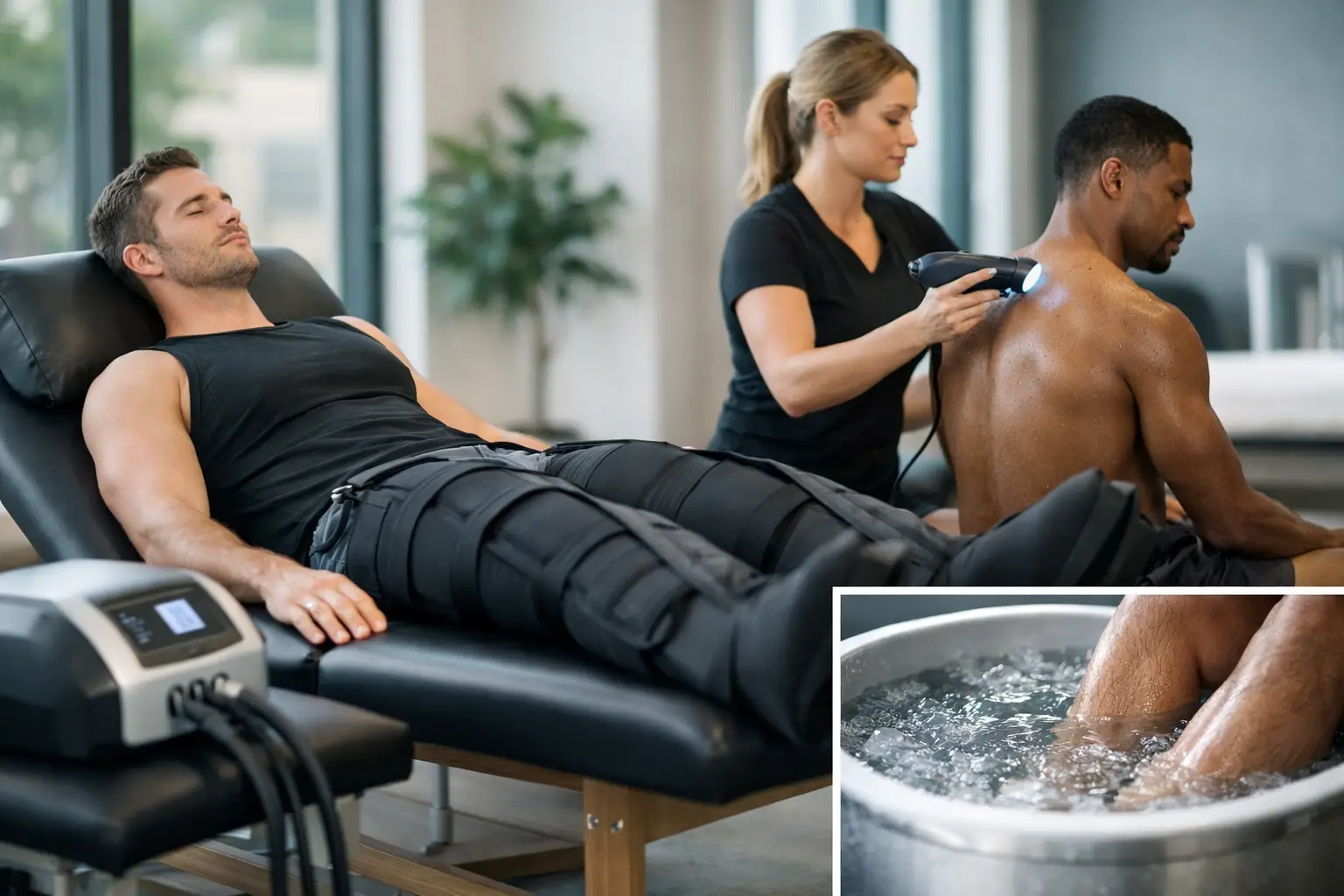
The hardest part of sports injury recovery is rarely the injury itself. It is the moment you realize your routine has stopped, your progress is on hold, and even simple movement suddenly feels uncertain. Whether you are training for competition, staying active on weekends, or just trying to keep your body strong, recovery matters because it affects how fast you heal, how well you perform, and how confidently you return.

Too many people treat recovery like a waiting game. Ice it, rest it, hope for the best, then jump back in as soon as the pain fades. That approach can work for minor soreness, but it often falls short when real tissue healing, inflammation control, and safe return to activity are involved. Strong recovery is active. It is intentional. And when you get it right, you are not just getting off the sideline. You are giving your body a better chance to come back ready.

What sports injury recovery actually requires

A strained hamstring, sprained ankle, sore shoulder, or overworked knee may look different on the surface, but recovery usually comes down to the same core job. Your body needs to calm irritation, repair stressed tissue, restore circulation, rebuild strength, and reintroduce movement without overload.

That is why pain relief alone is not the finish line. If the pain drops but the tissue is still weak, stiff, or inflamed, the risk of reinjury stays high. This is where people get frustrated. They feel good enough to move, but not truly ready to perform.

Real recovery has stages. Early on, the priority is managing pain and swelling while protecting the injured area. After that, the focus shifts toward mobility, tissue support, and gradual loading. Then comes the final step that many people rush – rebuilding confidence under real-life demands, whether that means sprinting, lifting, pivoting, or simply walking without guarding.

Why rest alone is not enough for sports injury recovery

Rest has value, especially in the first phase of an injury. But too much rest can create its own problems. Muscles lose strength. Joints stiffen. Circulation slows. Your body starts adapting to not moving.

That does not mean every injury should be pushed through. It means recovery works best when rest is paired with smart support. Gentle movement, targeted therapy, and consistent recovery habits often do more than passive waiting ever could.

This is especially true for adults who want to stay active without relying heavily on medication. Many people are looking for ways to support healing naturally, reduce discomfort, and keep their momentum without feeling trapped between pain pills and complete inactivity. That is a reasonable goal, but it requires a better plan than simply doing less.

The factors that speed healing and reduce setbacks

One of the biggest differences between slow recovery and steady recovery is circulation. Injured tissue needs oxygen, nutrients, and cellular activity to repair itself. When the area stays stiff and irritated, progress can drag. When you support healthy blood flow and cellular function, healing tends to move more efficiently.

Inflammation is another key factor. Some inflammation is part of the healing process. Too much, for too long, can keep pain elevated and delay progress. The goal is not to shut the body down. It is to help it respond in a controlled way.

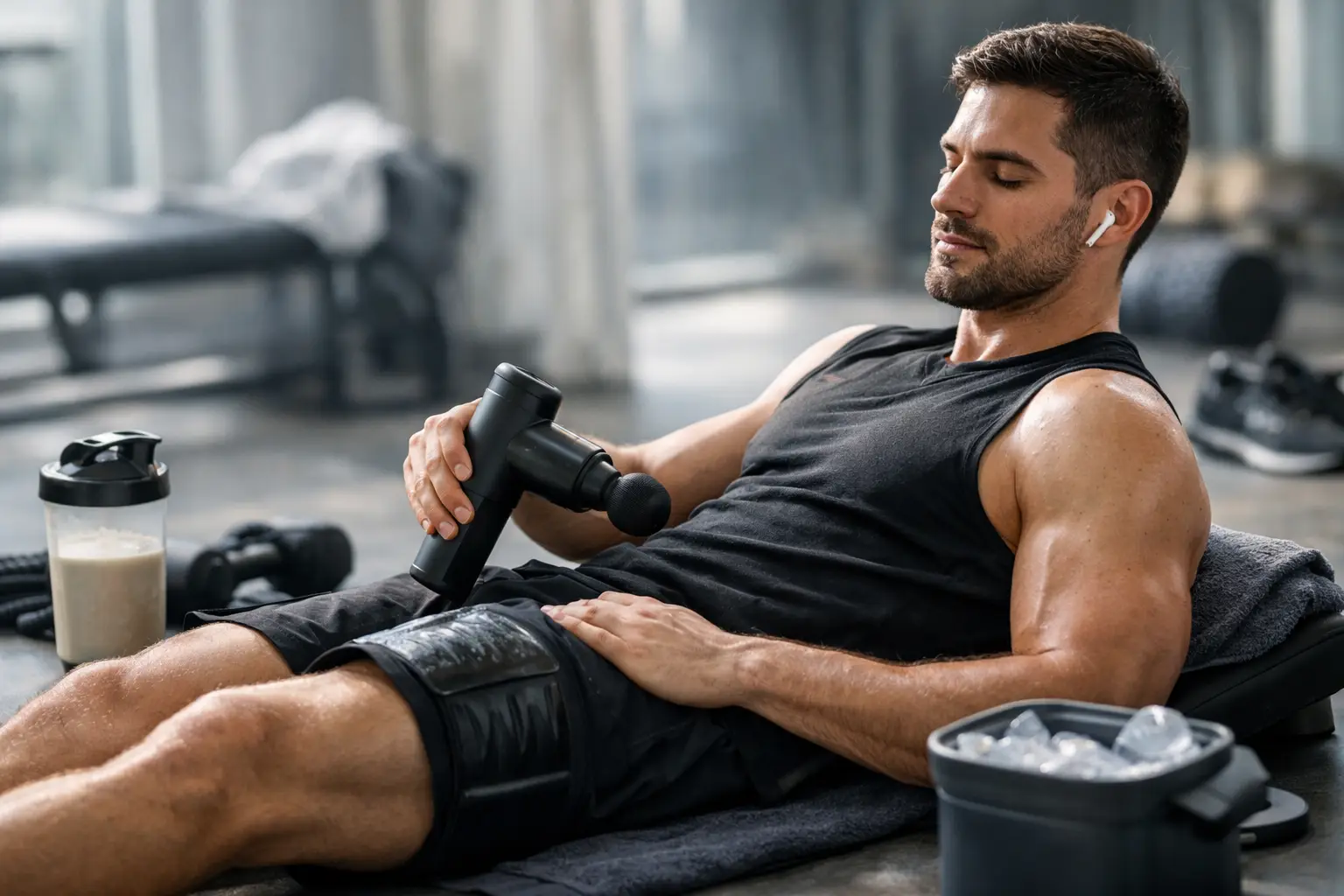
Consistency also matters more than intensity. A little recovery work done every day usually beats an occasional aggressive session. That applies to stretching, mobility work, physical therapy exercises, sleep habits, hydration, and non-invasive tools that support tissue healing.

Then there is timing. If you do too much too soon, you can re-aggravate the area. If you wait too long to restore movement and strength, the body gets deconditioned. Recovery is not linear. Some days feel strong, others feel slower. That does not always mean something is wrong. It means your body is adapting.

Where light therapy fits into sports injury recovery

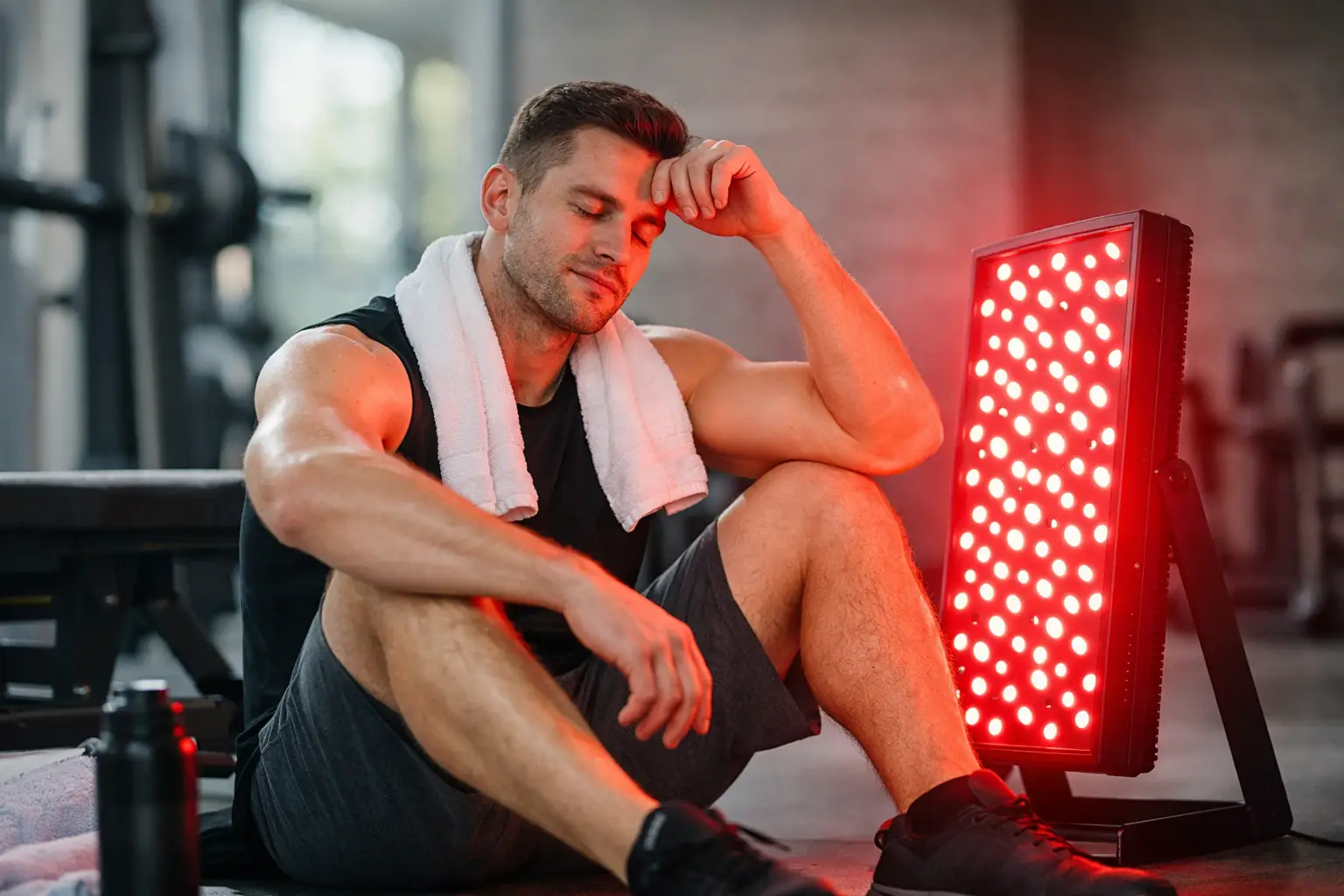
For people who want a drug-free, non-invasive recovery option, light therapy has become an increasingly attractive part of the conversation. It is used to support pain relief, circulation, tissue recovery, and overall healing without adding stress to the body.

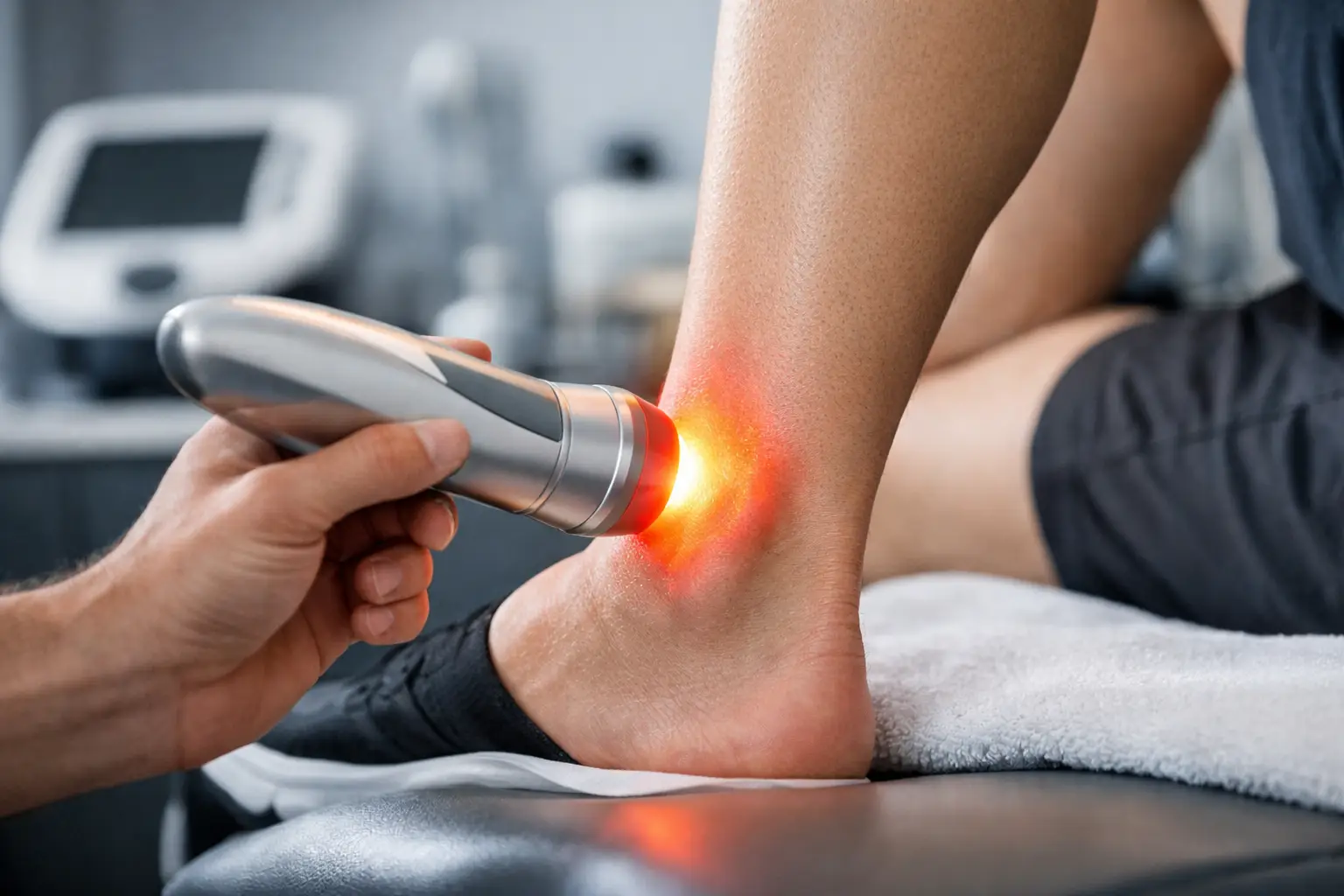
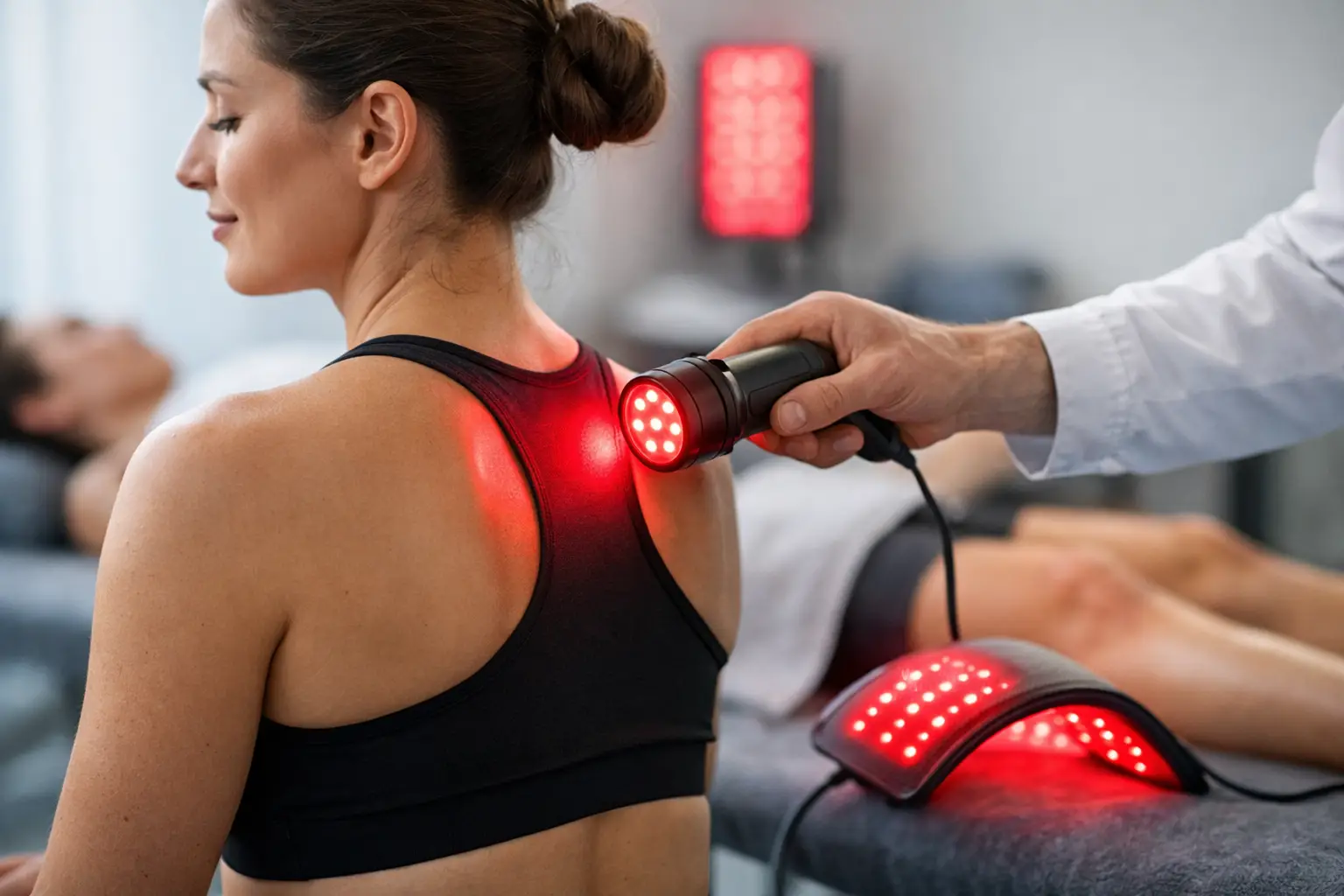
Low level light therapy works by delivering light energy to the body in a way that can support cellular activity. In simple terms, it helps energize the recovery process at the tissue level. That matters when you are dealing with strains, sprains, tendon irritation, overuse soreness, or the lingering discomfort that keeps you from training at full confidence.

What makes this especially appealing for active adults is that it can fit into real life. You do not have to pause your entire schedule to use it. You can build it into your recovery routine at home, alongside mobility work, smart exercise progression, and other supportive habits.

Some light therapy systems go a step further by combining light with pulsed frequency modulation. That added layer is designed to stimulate cells through both light and frequency, giving users a more advanced recovery tool than standard light-only systems. For athletes and everyday people alike, that kind of support can be meaningful when the goal is less pain, better function, and a faster return to activity.

Signs your recovery plan is working

Progress is not just about whether the pain is gone. A solid recovery plan shows up in several ways. The injured area feels less reactive during daily movement. Range of motion starts returning. Swelling settles. Strength improves. You move with less hesitation.

Just as important, your recovery starts holding up under demand. Walking becomes easier before jogging does. Jogging becomes easier before cutting and sprinting do. Lifting with control comes before lifting at full intensity. Each phase should feel earned, not forced.

If your symptoms keep bouncing back every time you increase activity, that usually means the tissue is not fully ready or the progression is too fast. That is not failure. It is feedback.

Common mistakes that keep athletes stuck

One of the biggest mistakes is chasing only short-term pain relief. If you numb the discomfort but do not support actual healing, the problem can linger in the background. Another common issue is doing random recovery work with no clear progression. Stretching one day, complete rest the next, then a hard workout because it feels a little better can create a cycle of flare-ups.

People also underestimate how much sleep, hydration, and stress affect healing. Your body does not recover well when it is run down. If you are serious about getting back in the game, recovery has to be treated like part of performance, not an afterthought.

Then there is the mental side. After an injury, many people protect the area long after it is physically improving. That fear is understandable, especially if the injury interrupted training, work, or daily life. But confidence returns through supported movement, not avoidance.

Building a smarter sports injury recovery routine

The best routines are simple enough to repeat. Start with what helps the injured area calm down and move better. That may include guided exercise, soft tissue work, mobility training, and low level light therapy to support healing and comfort. Keep the focus on steady improvement, not dramatic breakthroughs overnight.

Use pain as information, not as the only decision-maker. Mild soreness during recovery can be normal. Sharp pain, swelling that worsens, or movement that feels increasingly unstable should be taken seriously. When needed, work with a qualified medical or rehab professional to make sure your plan matches the injury.

If you are returning to sport, rebuild the qualities your activity actually demands. A runner needs different preparation than a tennis player. A weightlifter needs different progression than someone recovering for general fitness. Good recovery is specific.

And if you want a natural edge, choose tools that support the body instead of simply masking symptoms. That is where many people find value in systems like Life Light, which are designed to help reduce pain, support tissue recovery, and fit into a daily wellness or performance routine without drugs or invasive treatment.

Getting back stronger, not just sooner

Fast recovery sounds great, but smart recovery is what keeps you moving. The real win is not returning one week earlier only to get hurt again. It is coming back with better movement, stronger tissue, and more trust in your body.

Imagine life without pain controlling every decision you make about movement. Imagine training, working, or simply living without the constant question of whether your body will hold up. That is what a good recovery plan is really about. Not just healing enough to get by, but healing in a way that helps you live better, move brighter, and step back into your routine with strength.

Is Pain Normal During Healing? What to Know

Is Pain Normal During Healing? What to Know

A sore knee after a hard workout. A throbbing ankle a few days after a sprain. A healing shoulder that suddenly feels more noticeable at night. If you’ve ever asked yourself, is pain normal during healing, the short answer is yes – sometimes. But not all pain means the same thing, and knowing the difference can change how you recover.

Healing is active work. Your body is rebuilding tissue, managing inflammation, restoring circulation, and recalibrating movement patterns that may have changed after injury or strain. That process can create discomfort. At the same time, sharp, escalating, or lingering pain can be a sign that something is not progressing the way it should.

Is pain normal during healing, or is it a warning sign?

Pain during healing exists on a spectrum. Some discomfort is expected because the body is repairing damage. In the early stage, inflammation helps protect the area and brings the materials needed for repair. That can create tenderness, warmth, stiffness, and aching.

As healing continues, pain often shifts. It may feel less intense but more unpredictable. You might notice soreness when you start moving again, when scar tissue is remodeling, or when muscles that have been compensating begin to fatigue. This kind of change does not always mean something is wrong. In many cases, it means the body is adjusting.

The key is pattern. Healing pain tends to improve gradually, even if it fluctuates day to day. Warning-sign pain tends to intensify, spread, or stay stuck without meaningful progress.

What normal healing pain usually feels like

Normal healing pain is often described as sore, achy, tender, tight, or mildly throbbing. It may be worse after activity, after physical therapy, or first thing in the morning when tissues are stiff. It usually responds to rest, gentle movement, and time.

For example, if you strained a muscle, it is common to feel discomfort as the tissue repairs and regains strength. If you had a joint injury, stiffness and low-grade soreness can show up as you start moving more normally again. If you are returning to exercise, some temporary irritation may happen as the area rebuilds tolerance.

That does not mean you should push through everything. Productive recovery is not about ignoring pain. It is about reading it correctly. Mild soreness that fades within a day or two after movement is very different from pain that makes you limp, changes your form, or keeps waking you up.

When pain during healing may not be normal

Pain deserves attention when it starts acting differently. A few red flags are hard to ignore: sharp or stabbing pain, rapidly increasing swelling, redness that keeps spreading, significant heat, numbness, loss of function, or pain that feels worse week after week instead of better.

Another clue is if the pain is out of proportion to what happened. A minor strain should not feel dramatically worse after light daily activity several weeks later. The same goes for pain that suddenly returns after a period of steady improvement. That can point to reinjury, overuse, compensation, or an issue that was never fully addressed.

Pain that stops you from bearing weight, limits your range of motion in a major way, or comes with fever should always be taken seriously. In those situations, getting evaluated is the smart move. Recovery should build confidence, not confusion.

Why healing can hurt even when things are improving

This is where a lot of people get discouraged. They assume any pain means failure. It doesn’t.

Healing tissues are sensitive. Nerves can become more reactive after injury. Blood flow increases. Muscles surrounding the area may tense up to protect it. If you have been moving less, the return to normal activity can make the area feel vulnerable before it feels strong.

There is also a difference between pain from damage and pain from adaptation. When you begin using an injured area again, your body has to relearn efficient movement. That process can feel uncomfortable. Think of it as recovery in motion, not just recovery at rest.

This is especially true for active adults and athletes. Getting off the sideline and back in the game takes more than waiting for pain to disappear. It takes restoring function, capacity, and confidence. Some discomfort may show up during that transition, but it should be manageable and temporary, not intense and destabilizing.

Is pain normal during healing after exercise or rehab?

Often, yes. Exercise and rehab place controlled stress on the body. That is part of how strength and resilience are rebuilt. If you are rehabbing an injury, some soreness after a session can be completely normal, especially if you are reactivating muscles that have been underused.

The trade-off is that more is not always better. A smart recovery plan challenges tissue without overwhelming it. If pain spikes during activity and stays elevated long after, that is a sign the load may be too high. If soreness settles within 24 to 48 hours and you are still making progress, that is usually a healthier pattern.

A simple question helps here: does this feel like effort, or does this feel like damage? Effort-related soreness tends to be broad, dull, and temporary. Damage-related pain is more likely to be sharp, pinpointed, unstable, or accompanied by swelling and weakness.

The role of inflammation in healing pain

Inflammation gets a bad reputation, but in the right amount, it is part of the healing response. Right after injury, your body increases blood flow and sends repair cells to the area. That is useful. It helps start the rebuild.

Problems tend to show up when inflammation lingers too long or becomes excessive. Then pain can stay elevated, mobility can remain limited, and recovery can drag on. This is one reason many people look for natural, non-invasive ways to support circulation, calm irritation, and keep the healing process moving in the right direction.

For people who want a drug-free recovery strategy, low level light therapy can fit naturally into that plan. By supporting cellular activity and helping the body do what it is already designed to do, it may help reduce pain and promote a more efficient healing environment. That is part of why many people use solutions like Life Light when they want to keep moving forward without relying only on medications or passive waiting. Life Light protocol #16 works great for pain specifically, and other protocols can help as well depending on the underlying cause.

How to tell if your recovery is on track

You do not need zero pain to know healing is happening. What you want to see is progress.

Maybe the pain is less intense than last week. Maybe it resolves faster after activity. Maybe your range of motion is improving, or you are sleeping better, walking more normally, or needing fewer workarounds in daily life. Those are real signs that healing is advancing, even if some discomfort is still present.

It also helps to track triggers. If you know exactly what makes pain worse and what helps it calm down, you have useful information. Healing becomes more predictable when you can connect pain to load, timing, movement, and recovery habits.

If there is no pattern, no improvement, and no growing tolerance for activity, it may be time to reassess the plan.

How to support healing without making pain worse

Recovery responds well to consistency. Gentle movement, adequate rest, hydration, quality nutrition, and smart stress management all matter more than people think. So does pacing. If you feel better one day and overdo it, you can end up chasing inflammation instead of building momentum.

This is where many active people struggle. They do too much too soon because they are eager to feel normal again. Others do too little for too long and stay stiff, guarded, and deconditioned. The sweet spot is steady progression.

Supportive tools can help. Mobility work can restore confidence in movement. Targeted light therapy may help reduce discomfort and support the body’s natural repair response. The best approach is usually the one you can use consistently and safely, not the one that promises overnight change.

When to get help

If pain is severe, worsening, or interfering with basic movement, daily function, or sleep, get evaluated. The same goes for pain tied to deformity, major swelling, signs of infection, numbness, or repeated setbacks. You do not need to wait until it becomes unbearable.

There is strength in getting clarity. The goal is not just to mask pain. The goal is to heal well, move well, and stay active for the long run.

Pain can be part of healing, but it should not leave you guessing every day. Listen for progress, respect the signals that do not fit, and give your body the support it needs to recover with confidence. Imagine life without pain – then make choices that move you closer to it.

How Does Pain Affect Healing?

How Does Pain Affect Healing?

A sore knee after a long run. A stiff back that keeps you from sleeping. A shoulder injury that makes you guard every movement. If you have ever asked, how does pain affect healing, the short answer is this: pain can be part of the body’s warning system, but when it lingers or spikes too high, it can start working against recovery.

That matters whether you are trying to get off the sideline and back in the game or simply want to walk, work, and sleep without being reminded of an injury every hour. Healing is not just about tissue repair. It is also about inflammation, circulation, sleep, stress, movement, and how your nervous system responds day after day.

How does pain affect healing in the body?

Pain is designed to protect you. Right after an injury, that protective signal can be useful. It tells you something is wrong and encourages you to stop, rest, or avoid making damage worse. In that early window, pain can support smarter choices.

The problem starts when pain becomes intense, constant, or out of proportion to what the tissue needs. At that point, the body can get stuck in a cycle. You move less because it hurts. You sleep worse because discomfort keeps waking you up. Stress goes up because your system stays on alert. Blood flow, muscle function, and overall recovery can suffer.

Healing works best when the body has what it needs to repair and regulate. Severe or ongoing pain can interfere with that process in several ways. It can increase stress hormones, reduce quality sleep, create muscle guarding, and make it harder to do the kind of gentle movement that often helps recovery move forward.

So the real answer to how does pain affect healing is not just that pain hurts. It can change the environment your body heals in.

Pain, stress, and the healing slowdown

When pain keeps firing, your nervous system reads that as a threat. That can push the body toward a stress response. Heart rate may rise. Muscles may stay tense. Stress hormones like cortisol can remain elevated longer than they should.

A short burst of stress is normal. Living in that state for days or weeks is different. Recovery tends to be stronger when the body can shift into a more balanced state, where repair, rest, and cellular recovery are easier to support. If pain keeps you in fight-or-flight mode, healing may feel slower and more frustrating.

This is one reason two people with similar injuries may recover very differently. It is not always just about the injury itself. It is also about how much pain they feel, how their body responds to that pain, and whether they can rest and move well enough to support repair.

Sleep is where recovery gets traction

Anyone who has dealt with chronic discomfort already knows this. Pain and sleep often disrupt each other. The more pain you feel, the harder it is to fall asleep or stay asleep. The less you sleep, the more sensitive you can become to pain the next day.

That loop matters because sleep is one of the body’s biggest recovery tools. During quality sleep, your body carries out essential repair work. Muscles recover. Inflammation is regulated. Energy is restored. If pain keeps interrupting that process, healing can take longer.

This is especially true for athletes, active adults, and people recovering from repetitive strain. You may be doing everything else right, but if pain is stealing your sleep, your progress may stall.

Movement matters, but pain can shut it down

One of the most common ways pain affects healing is by changing how you move. Sometimes that is helpful at first. If you sprain an ankle, you should not pretend nothing happened and keep pushing hard. But over time, too little movement can create new problems.

Joints can get stiff. Muscles can weaken. Circulation can drop. Nearby areas may start compensating, leading to fresh strain somewhere else. A painful knee becomes a hip problem. A guarded shoulder becomes a neck problem. What started as one issue can spread through the way the body adapts.

This is where recovery takes some nuance. More movement is not always better, and complete rest is not always better either. The goal is usually the right amount of the right kind of movement at the right time. Pain often complicates that because it makes people either avoid activity completely or push through too aggressively.

Inflammation, sensitivity, and the nervous system

Pain is not always a direct measure of damage. That is an important distinction. Tissue can be healing while pain remains high, especially if the nervous system has become more sensitive. On the other hand, some people have significant wear, strain, or inflammation with less pain than expected.

That is why recovery is rarely one-size-fits-all. Acute pain after a fresh injury is different from chronic pain that has been reinforcing itself for months. Arthritis pain is different from post-workout soreness. Nerve-related pain is different from soft tissue strain. Each situation changes how healing should be supported.

Still, one truth holds across many conditions: when pain stays elevated, it can amplify inflammation, tension, and sensitivity. The body becomes more reactive. Everyday movement can start to feel bigger than it is. That often creates caution, fear, and more guarding, which can slow progress.

Why pain relief can support better healing

Some people worry that reducing pain means ignoring the body’s signals. In reality, appropriate pain relief can help recovery when it allows the body to do what it needs to do better.

If pain relief helps you sleep, that supports healing. If it helps you move more naturally, that supports healing. If it reduces stress and muscle guarding, that supports healing too. The key is not masking a serious issue and continuing to overload it. The key is creating a better recovery environment.

This is one reason so many people look for drug-free, non-invasive options. They do not just want temporary relief. They want support that works with the body, helps them stay active, and fits into a long-term wellness routine.

Low level light therapy is one option that has gained attention for exactly that reason. By supporting cellular function and helping address pain and inflammation, it may help people recover more comfortably and consistently. For those dealing with sports injuries, joint pain, overuse issues, or chronic discomfort, that can mean a better chance to keep moving forward instead of staying stuck in the pain cycle. Life Light speaks to this need by combining light with pulsed frequency modulation, giving users a natural approach aimed at both relief and recovery.

How does pain affect healing differently for chronic vs acute issues?

With acute pain, the body is often reacting to a specific event. A strain, sprain, bruise, or impact creates immediate signals that tell you to protect the area. As healing progresses, pain usually settles down.

Chronic pain is more complicated. The original trigger may still be there, or it may have faded while the nervous system keeps sending strong warning signals. Sleep may already be poor. Movement may already be limited. Stress may already be high. In that setting, pain can become part of the condition itself, not just a symptom.

That is why chronic discomfort often requires a broader recovery strategy. You are not only supporting tissue. You are also helping the body feel safe enough to move, rest, and recover again.

What helps when pain is interfering with recovery?

The best approach depends on the cause, severity, and duration of the pain. But in general, recovery improves when you can lower unnecessary pain while still respecting the body’s limits. That often includes smart movement, better sleep habits, inflammation support, hydration, and recovery tools that help without adding more stress. Life Light protocol #16 works great for helping to reduce pain without drugs.

It also helps to pay attention to patterns. Is pain worst at night? After sitting? After training? Does it improve with gentle motion or flare up with certain activities? These details matter because healing is rarely linear. There are good days, frustrating days, and moments when progress feels slower than it should. That does not always mean recovery has stopped. It may mean your body needs a better balance of support and load.

If pain is severe, getting worse, or tied to loss of strength, major swelling, numbness, fever, or a serious injury, medical evaluation matters. Pain relief is helpful, but accurate assessment matters too.

The goal is not to tough it out for the sake of toughness. Real strength is giving your body what it needs to repair, rebuild, and return to function.

Pain may begin as a signal, but it does not have to run the whole recovery process. When you reduce the barriers pain creates, you give healing a better chance to do its job – and that is how you get back to living stronger, moving better, and feeling brighter.

What to Do for Severe Muscle Pain Fast

What to Do for Severe Muscle Pain Fast

Severe muscle pain can stop your day cold. One wrong lift, one hard workout, one restless night in a bad position, and suddenly even walking, reaching, or getting out of bed feels like a struggle. If you are wondering what to do for severe muscle pain, the right response depends on two things – how intense the pain is and what caused it.

Some muscle pain is the kind that improves with rest and smart recovery. Some is your body signaling that something more serious is going on. Knowing the difference matters, especially if your goal is not just to feel better today, but to get off the sideline and back to normal movement with confidence.

What to do for severe muscle pain right away

Start by reducing whatever is aggravating the muscle. If the pain hit during exercise, stop the activity. If it started after a strain, awkward movement, or overuse, give that area a break instead of trying to push through it. Severe pain is not the time to test your toughness.

In the first 24 to 48 hours, cold therapy may help if there is obvious swelling, warmth, or a fresh injury. Use a cold pack wrapped in cloth for short sessions rather than placing ice directly on the skin. If the pain feels more like a deep, tight spasm without much swelling, gentle heat can sometimes be more soothing. This is one of those it-depends situations. Fresh inflammation often responds better to cold, while stubborn tightness may respond better to warmth. Life Light Therapy, in our experience, does the job of cold and heat therapy at the same time. We reduce inflammation and reduce pain.

Hydration also matters more than people think. Muscles that are overworked, depleted, or cramping can become more painful when you are behind on fluids and electrolytes. Water is a good place to start. If the pain came after heavy sweating, long exercise, or heat exposure, replacing electrolytes may help as well.

Positioning can make a big difference in the first few hours. Support the painful area and avoid stretching it aggressively. Gentle movement is usually better than total stiffness, but only within a comfortable range. Sharp pain, weakness, or a pulling sensation are signs to back off.

When severe muscle pain needs medical attention

Not every case of muscle pain should be managed at home. Sometimes severe pain is a sign of a tear, nerve involvement, major inflammation, or a medical issue that only looks like a muscle problem.

Seek prompt medical care if the pain comes with major swelling, bruising, deformity, inability to bear weight, numbness, chest pain, shortness of breath, fever, dark urine, or severe weakness. Those symptoms can point to something more serious than routine soreness. If the pain started after an accident, a fall, or a high-force impact, it is also worth getting checked.

Pain that keeps getting worse instead of easing up deserves attention too. The same goes for pain that wakes you up repeatedly, does not improve after a few days, or keeps returning in the same spot. Recovery should trend forward. If it does not, your body may need more support than rest alone.

Understanding what kind of muscle pain you have

A hard workout can cause delayed onset muscle soreness. That usually builds gradually over a day or two, feels achy or stiff, and improves as recovery progresses. A strain is different. Strains are often more sudden and localized. People describe them as a pull, a grab, or a sharp pain that starts during movement. Life Light protocol #23 works great for strains.

Cramping is its own category. It tends to feel intense, tight, and involuntary, often in the calf, foot, hamstring, or shoulder. It may be tied to dehydration, fatigue, overuse, or prolonged positions. Then there is pain linked to compensation. Sometimes the muscle that hurts is not the original problem. A tight hip can overload the low back. A weak glute can leave the hamstring doing too much. Life Light protocol #8 works great for cramping.

This matters because the best next step changes with the cause. Rest may help a strain, but long periods of inactivity can make stiffness worse. Stretching may help tightness, but it can aggravate a fresh tear. Good recovery is not just about doing something. It is about doing the right thing at the right time.

What helps severe muscle pain recover faster

Once the most intense phase settles down, the goal shifts from protection to recovery. That usually means gradual movement, improved circulation, and support for the body’s natural repair process.

Light walking or easy range-of-motion work often helps once sharp pain has eased. This gets blood flow moving without asking the injured area to do too much. Massage can feel good, but timing matters. Deep pressure on a freshly injured muscle can make things worse. Gentle work is usually the safer call early on.

Sleep is one of the most underrated recovery tools. Tissue repair, inflammation control, and nervous system recovery all depend on it. If pain is disrupting sleep, it can slow the whole process. Supportive pillows, a better position, and evening heat or cold based on how the muscle feels may help you rest more comfortably.

Nutrition plays a role too. Protein supports tissue repair, and anti-inflammatory foods may help your overall recovery environment. No meal will erase severe muscle pain overnight, but consistent support adds up.

Natural options when you want relief without relying on medication

Many people looking up what to do for severe muscle pain are trying to avoid a cycle of pain pills, inactivity, and frustration. That is understandable. Medication may have a place for some people, but it is not the only path.

Drug-free recovery tools can be a strong fit when you want relief while staying active in your healing process. Gentle heat, mobility work, hydration, compression, and targeted recovery routines all have value. Low level light therapy is another option that has gained attention from both wellness users and athletes because it is non-invasive and easy to use as part of a broader recovery plan.

Light-based recovery support is appealing for a simple reason – people want something they can use consistently without adding more stress to the body. For those managing recurring soreness, training fatigue, joint discomfort, or ongoing muscle tension, that kind of support can help them keep moving instead of feeling stuck between flare-ups.

Life Light fits naturally into that conversation because it combines low level light therapy with pulsed frequency delivery, giving users a drug-free option designed to support relief, healing, and recovery momentum. For someone who wants to live better, move better, and get back to activity with less hesitation, that matters.

What not to do for severe muscle pain

The biggest mistake is trying to power through pain that is clearly beyond normal soreness. That often turns a smaller issue into a longer recovery. Another common mistake is stretching too aggressively, too soon. If the muscle is inflamed or strained, forcing length into it can increase irritation.

It is also easy to bounce between extremes – complete rest for too long, then suddenly doing too much once the pain eases a bit. Muscles tend to respond better to steady, progressive loading than to that stop-and-go pattern. Recovery is usually faster when you respect the tissue without becoming fearful of movement.

Be careful with repeated self-treatment that is not helping. If the same routine has not improved things after several days, reassess. Pain is feedback. Listen to it.

What to do for severe muscle pain that keeps coming back

Recurring muscle pain is often a sign that the root cause has not been addressed. That root cause could be poor mechanics, overtraining, weak supporting muscles, not enough recovery time, inflammatory stress, or a job or routine that keeps putting the body in the same strained position.

If the same area flares repeatedly, zoom out. Look at your workout habits, sleep, hydration, shoes, workstation setup, and movement patterns. A painful calf may start with foot mechanics. A sore neck may be tied to posture and screen time. A hamstring that always feels tight may actually be protecting a weak hip.

This is where consistency wins. A few minutes a day of targeted mobility, strength support, and recovery work often does more than occasional all-out effort. Relief is important, but staying out of pain is the bigger victory.

A practical recovery mindset

Severe muscle pain can make you feel older, slower, and more limited than you really are. That feeling is real, but it does not have to define what happens next. Smart recovery is not passive. It is active, intentional, and built around helping your body do what it was designed to do – repair, adapt, and get you moving again.

If the pain is intense, start with protection and symptom control. If there are red flags, get medical care. If it is the kind of pain that can be managed at home, focus on the basics done well: rest from aggravating activity, the right temperature therapy, hydration, sleep, and gradual return to motion. Then support your body with recovery tools that match your values and your goals.

Imagine life without pain being the standard, not the exception. That starts with responding early, recovering wisely, and giving your muscles the kind of support that helps you get back to living brighter.

What Is the Best Treatment for Severe Muscle Pain?

What Is the Best Treatment for Severe Muscle Pain?

Severe muscle pain can stop a workout cold, ruin sleep, and turn simple movements like bending, walking, or lifting your arm into a real problem. If you’re asking what is the best treatment for severe muscle pain, the honest answer is this: the best treatment depends on why the pain started, how intense it is, and whether your body needs recovery support or immediate medical care.

What is the best treatment for severe muscle pain?

There is no single fix that works for every case. Muscle pain after a hard training session is different from pain caused by a strain, a repetitive stress injury, dehydration, illness, or a medication side effect. The best treatment is the one that matches the cause.

For many people, the first goal is to calm inflammation, reduce muscle guarding, and support healing without adding more stress to the area. That usually means a combination of relative rest, smart movement, hydration, heat or ice at the right time, and pain relief strategies that do not slow you down long term. If the pain is severe, non-invasive recovery tools like low level light therapy can also play a valuable role by supporting circulation and cellular recovery while helping you stay consistent with healing.

Start by asking what kind of pain you have

Sharp pain during movement often points to a strain or small tear. Deep aching after exercise may be delayed onset muscle soreness. Cramping can come from overuse, dehydration, or electrolyte imbalance. Burning, weakness, numbness, or pain that shoots down a limb may mean the problem is not the muscle itself.

This is where treatment decisions matter. Pushing through soreness is one thing. Pushing through a true injury can make it worse and keep you off the field, out of the gym, or away from everyday life much longer.

If the area is swollen, bruised, or suddenly weak, or if you heard a pop when the pain started, think injury first. If the pain came with fever, dark urine, chest pain, or major fatigue, stop self-treating and get medical help right away.

The first 48 hours can change the recovery curve

When severe muscle pain starts suddenly, especially after a pull, twist, sprint, or lift, early care matters. In the first day or two, relative rest is usually more helpful than complete immobility. That means avoiding movements that worsen pain while still keeping the body gently active if you can.

Ice can help in the early phase if there is clear inflammation or swelling. Heat is usually better later, once the sharpness settles and the goal shifts toward loosening tight tissue and improving blood flow. Many people get this backward and end up heating an actively inflamed area too soon.

Compression and elevation may help if the pain is tied to a fresh strain and noticeable swelling. Hydration also matters more than people think. Muscles under stress recover poorly when the body is depleted.

When rest helps and when it hurts

Rest is useful, but too much rest can leave muscles tighter, weaker, and more painful. Once the worst of the pain eases, gentle movement often helps recovery more than staying still all day. Short walks, careful stretching, or easy range-of-motion work can help restore circulation and reduce stiffness.

The key is dosage. If movement causes sharp pain, stop. If it creates mild discomfort that settles quickly and leaves you feeling looser after, that is usually a good sign. Severe muscle pain responds best to a recovery plan that protects the tissue without letting the whole system shut down.

Heat, ice, medication, and where each fits

People often want one clear answer, but severe muscle pain is one of those situations where trade-offs matter. Ice may reduce swelling and numb pain in an acute injury, but it can also feel too stiffening for some people if overused. Heat may relax tight muscles and improve mobility, but it is not ideal for a newly inflamed injury. Life Light can do both the work of ice and heat at the same time.

Over-the-counter pain relievers can help some people get through the worst discomfort, especially if sleep is being disrupted. But medication does not fix the reason the pain is there. It can also mask symptoms enough that you do too much too soon. For people trying to reduce dependence on drug-based pain management, this is where natural recovery strategies become especially appealing.

Massage, gentle mobility work, and physical therapy can all help depending on the cause. But if tissue is very inflamed or the injury is more serious than it looks, aggressive stretching or deep pressure early on can backfire.

Why light therapy is worth considering

If you want relief that supports healing instead of just muting discomfort, low level light therapy deserves a serious look. This approach is non-invasive, drug-free, and increasingly popular among both active adults and athletes who want to get off the sideline and back in the game.

Light therapy works by delivering targeted light energy to tissue, where it helps support cellular function, circulation, and recovery. In practical terms, that can mean less stiffness, better comfort, and improved healing support in overworked or injured muscles. It fits especially well for people dealing with recurring muscle pain, training-related soreness, chronic inflammation, or a recovery process that needs consistent at-home support.

For severe muscle pain, the value is not that light therapy replaces all other care. The value is that it can be part of a smarter system – one that supports the body naturally while helping you stay active and moving forward. Life Light stands out in this space by combining low level light therapy with pulsed frequency modulation, offering a more advanced approach for people who want relief, recovery, and performance support in one device.

What is the best treatment for severe muscle pain after exercise?

After exercise, the best treatment is usually a blend of recovery, not a single intervention. If the pain is soreness from training, hydration, protein intake, sleep, mobility work, and light recovery sessions all matter. If the pain feels extreme, localized, or different from normal soreness, treat it more cautiously.

Athletes and highly active adults often make the mistake of assuming all pain is just part of progress. It is not. Severe pain that changes your form, limits strength, or lingers longer than expected needs more attention. Sometimes the best move is to back off intensity for a few days and support recovery aggressively so the issue does not become chronic.

When severe muscle pain needs a doctor

Some muscle pain is not a recovery problem. It is a medical issue. Seek care quickly if you have severe swelling, major weakness, inability to bear weight, fever, redness spreading across the skin, chest pain, trouble breathing, or dark brown urine. Those signs can point to conditions that need prompt treatment.

You should also get checked if the pain is not improving after several days, keeps returning in the same area, or is paired with numbness or tingling. A muscle strain, tendon injury, nerve issue, or medication reaction can all feel similar at first.

Building a better recovery plan

The best treatment for severe muscle pain is rarely about doing more. It is about doing the right things in the right order. Calm the tissue down if the injury is fresh. Reintroduce gentle movement as soon as it is safe. Use heat or ice based on the stage of recovery, not habit. Stay hydrated. Prioritize sleep. And if you want a natural, performance-minded tool that helps your body recover without relying on medication, consider adding light therapy to the plan.

Imagine life without pain being the thing that controls your choices. That is the real goal – not just less discomfort today, but better movement, better recovery, and more freedom to keep doing what you love. Listen to the message your body is sending, treat the cause instead of just the symptom, and give healing the support it actually needs.

Why Healing Hurts More Before It Feels Better

Why Healing Hurts More Before It Feels Better

You finally decide to do something about the pain. You rest, stretch, start recovery work, or use a natural support tool – and somehow the area feels more tender, more aware, or just plain irritated. If you have ever wondered why healing hurts, you are not imagining it, and you are not necessarily getting worse.

That uncomfortable phase can be one of the most frustrating parts of recovery. Whether you are dealing with a hard workout, a nagging shoulder, arthritic stiffness, or an old injury that keeps flaring up, the body rarely moves from pain to relief in a straight line. Real healing is active. It asks tissues to repair, inflammation to organize, nerves to recalibrate, and movement patterns to change. That process can create sensations that feel confusing before they feel better.

Why healing hurts in the first place

Pain is often treated like a simple alarm – something is wrong, so it hurts. But healing pain is more complex than that. Your body uses discomfort as information, not just as a warning. During recovery, the nervous system, immune system, and damaged tissue are all communicating at once. That can create soreness, throbbing, tightness, itching, tenderness, or temporary sensitivity.

When tissue has been strained or irritated, the body sends blood flow, immune cells, and repair signals to the area. That is useful, but it can also create swelling and pressure. Nerves in the area may become more responsive while the body protects the site. Muscles around an injury may tighten to guard it. If you have not moved well for a while, restoring normal function can wake up tissues that have been stiff, weak, or underused.

In other words, pain during healing does not always mean damage is increasing. Sometimes it means your body is actively doing the work.

The difference between healing pain and harm

This is where people often get stuck. Some discomfort is expected. Some is a sign to back off. Knowing the difference matters.

Healing pain often feels temporary and responsive. It may show up as post-treatment soreness, a dull ache after movement, mild swelling, or tenderness that settles within a reasonable window. You might notice better mobility even if the area still feels sensitive. You may also feel a “good sore” sensation after supporting circulation, stimulating tissue, or returning to activity.

Harm tends to feel more intense, sharp, unstable, or progressively worse. If pain keeps escalating, if swelling increases significantly, if you lose function, or if a symptom feels alarming rather than manageable, that is a different story. Recovery should challenge the body, but it should not send you into a downward spiral.

It depends on the injury, your baseline health, your age, your inflammation levels, and how long the issue has been there. A chronic knee problem will not behave exactly like a fresh ankle sprain. An athlete returning to training will not experience recovery the same way as someone managing years of arthritis.

Inflammation is not the enemy

For many people, the word inflammation sounds like failure. But short-term inflammation is part of how the body repairs itself.

After stress or injury, the body increases circulation and sends chemical messengers to the area. That helps clear damaged cells and begin rebuilding. The catch is that inflammation can feel hot, swollen, stiff, and sore. That does not make it bad. It makes it active.

The real problem is when inflammation stays too high for too long, or when the body never fully resolves the repair cycle. That is when pain can linger, tissues can stay irritated, and movement starts to feel limited. Supporting the body through that process matters. The goal is not always to shut the response down completely. Often, the better goal is to help the body recover more efficiently and more comfortably.

Your nervous system can make healing feel louder

Pain is not created by tissue alone. It is shaped by the nervous system.

If an area has been injured, inflamed, or overworked for a while, the nerves can become more reactive. That means even light pressure or normal movement may feel amplified. This is one reason old injuries can feel surprisingly dramatic, even when scans or exams do not show severe damage.

As healing begins, the nervous system has to relearn safety. That takes time. The body may still guard the area out of habit. Muscles may stay tight. You may notice sensitivity during movement, treatment, or the return to exercise. That does not mean the body is broken. It means the system is recalibrating.

This is especially true for chronic pain. When pain has been around for months or years, recovery is not just about tissue repair. It is also about helping the body shift out of a constant protective state.

Why some recovery methods create temporary soreness

People are often surprised when a recovery tool, therapy session, or mobility routine makes them feel more aware of the problem area at first. But that can happen when circulation improves, tissue activity increases, or a stiff area starts moving again.

Low level light therapy is one example. By supporting cellular energy and circulation, it may help the body repair tissue and manage discomfort more effectively. Some users notice early changes such as warmth, tingling, or temporary soreness as the area responds. That does not happen to everyone, and it should not be extreme, but mild response can be part of the process.

The same principle applies to massage, physical therapy, stretching, strength work, and returning to sports. If the body has been protecting an area, waking it back up can feel uncomfortable before it feels freeing. The key is dosage. More is not always better. Smart recovery builds momentum without overwhelming the system.

Chronic pain changes the timeline

One reason healing feels discouraging is that many people expect fast relief from a problem that took years to build.

Chronic inflammation, repetitive strain, arthritis, poor movement patterns, and unresolved injuries do not disappear overnight. The body often improves in layers. First you may notice better sleep. Then less morning stiffness. Then improved range of motion. Then fewer flare-ups. Pain reduction may come alongside those gains, not always before them.

That matters because progress is easy to miss when you only ask one question: does it still hurt? A better question is: is my body functioning better than it did last week?

For active adults and athletes, this is especially important. Getting off the sideline and back in the game is not just about silencing pain for a day. It is about creating the kind of healing that lasts under real-life stress.

What to watch for while your body recovers

Recovery should feel like movement in the right direction, even if it is not perfectly smooth. That might mean pain intensity drops overall, flare-ups become shorter, daily tasks feel easier, or you can tolerate more activity without paying for it later.

A small increase in soreness after treatment or exercise can be normal. A major spike that lasts for days is a sign you may need to adjust. The body responds best to consistent support, not constant overload.

This is where patience and strategy have to work together. Rest alone is not always enough, but pushing through everything is not the answer either. Most people do best with a middle path: reduce what aggravates the issue, support circulation and recovery, and reintroduce movement in a way the body can handle.

That is also why many people look for drug-free recovery tools they can use consistently at home. When support is easy to use and fits into everyday life, you are more likely to stay with it long enough to see the payoff. For many, that is where a system like Life Light fits – practical, non-invasive support designed to help the body recover, reduce pain, and keep moving forward.

When pain during healing is worth a closer look

Even with a positive mindset, not every pain response should be brushed off. If you notice severe swelling, sudden loss of strength, numbness, sharp worsening pain, signs of infection, or symptoms that do not make sense for your situation, pay attention. Healing can be uncomfortable, but it should not feel dangerous.

The goal is not to ignore pain. It is to understand it. Pain that shifts, settles, and gradually improves often reflects a body in repair. Pain that becomes more chaotic, more limiting, or more intense may need a different approach.

There is a big mental side to this too. When you have been hurting for a long time, any sensation can feel threatening. But not every sensation means setback. Sometimes it means your body is waking up, responding, and working harder on your behalf than you can see.

Healing is not always gentle. Sometimes it is sore, messy, and slower than you want. But if the process is moving you toward better movement, better strength, and more freedom, that discomfort may be a sign that change is finally happening. Stay consistent, listen closely, and give your body the kind of support that helps it live better and recover brighter.

Pain Relief and Recovery That Keeps You Moving

Pain has a way of shrinking your world fast. One sore knee changes how you train. A stiff back changes how you sleep. Aching hands can turn basic tasks into daily frustration. Real pain relief and recovery is not just about feeling better for an hour. It is about getting your body back, protecting your momentum, and staying active without leaning on solutions that leave you foggy, limited, or stuck in a cycle.

That is why more people are rethinking the old approach. For years, the default answer to pain was simple – rest, ice, medication, repeat. Sometimes that helps. Sometimes it only masks symptoms while the real issue keeps hanging around. If your goal is to move better, heal smarter, and stay in the game longer, the better question is not just how to dull pain. It is how to support recovery at the source.

What pain relief and recovery should actually do

The best approach does two jobs at once. First, it calms discomfort enough so you can function, sleep, and move with more confidence. Second, it supports the body as it repairs tissue, settles inflammation, and restores normal movement.

That distinction matters. Temporary relief can be useful, especially when pain is intense. But if you only chase short-term comfort, you may end up returning to the same problem again and again. Recovery asks for more. It asks what is driving the pain, what is slowing healing, and what helps the body rebuild without adding more stress.

For someone with arthritis, that might mean finding a daily routine that reduces stiffness and supports joint comfort over time. For an athlete, it could mean recovering from hard training without losing valuable practice days. For someone with a nagging shoulder, it may be the difference between pushing through and finally addressing the problem in a way that helps it improve.

Why the old pain playbook often falls short

Medication has a place. There are moments when it is necessary and appropriate. But many people are looking for a drug-free option because they do not want to depend on pills to get through the day, and they do not want to ignore what their body is telling them.

The same is true for passive rest. Recovery is not always about doing less. In many cases, it is about doing the right things at the right time. Too much activity can aggravate an issue. Too little activity can leave tissues stiff, weak, and slow to recover. There is always a balance.

Ice can help in certain situations, especially right after an acute injury. But using it as an automatic answer for every ache does not always support the full healing process. Heat may feel better for chronic stiffness. Gentle movement may be more useful than complete shutdown. And increasingly, people are turning to non-invasive therapies that work with the body instead of simply covering up discomfort.

A better standard for pain relief and recovery

If you are evaluating options, start with outcomes that matter in real life. Can you walk more comfortably? Sleep through the night? Train without the same flare-up the next day? Get off the sideline and back in the game without relying on a complicated routine?

Effective recovery support should fit your life. It should be easy enough to use consistently and strong enough to make a difference. It should also make sense for your actual goal. A weekend athlete recovering from tendon irritation does not need the exact same strategy as someone managing chronic joint pain. The principles overlap, but the plan should match the person.

That is where light therapy has gained attention. People want a natural, non-invasive way to support circulation, cellular activity, and tissue recovery without adding another medication to the mix. And they want something that works for everyday pain as well as performance-focused recovery.

How light therapy supports pain relief and recovery

Low level light therapy is used to deliver specific wavelengths of light to the body in a way that supports natural healing processes. In plain language, it is designed to help cells do their job better. When cells are functioning more efficiently, the body is better positioned to manage inflammation, repair stressed tissue, and recover from strain.

That is the appeal. You are not forcing the body into a stressed response. You are supporting the systems already built to heal. For people dealing with chronic discomfort, that can mean more consistent comfort and mobility. For athletes, it can mean faster turnaround between intense efforts and better support for overworked muscles, tendons, and joints.

Not all light therapy is the same, though. Device quality, wavelength, power, treatment consistency, and delivery method all matter. Some systems go a step further by combining light with pulsed frequency modulation, which is designed to add another layer of stimulation to the recovery process. That added precision is part of why users looking for a more advanced option often compare devices carefully rather than assuming every light therapy product performs the same way.

Who benefits most from this kind of recovery support

The short answer is that it depends on the kind of pain and the reason behind it. But a few groups tend to benefit the most from a natural, repeatable recovery tool.

People with chronic pain often need something they can use regularly without building their life around side effects or appointments. Arthritis, back discomfort, neck tension, and recurring joint pain rarely respond well to a one-time fix. Consistency matters.

Athletes and active adults benefit for a different reason. They are usually not just trying to reduce pain. They are trying to recover, train again, and maintain performance. A recovery tool that fits into a weekly routine can help support readiness, especially when hard workouts or repetitive movement start to add up.

Then there is the large middle group – people who are not elite athletes and not dealing with a formal diagnosis, but who still hurt. Maybe it is a sore shoulder from work, a knee that never fully settled down, or muscle tightness that keeps coming back. They want relief, but they also want to stay independent and keep doing what they love.

What to look for in a recovery routine that lasts

The strongest pain relief strategy is rarely one single thing. It is usually a smart mix of support. That may include light therapy, better sleep, mobility work, hydration, and training adjustments if overuse is part of the problem. If stress is amplifying pain, nervous system support matters too. If posture or movement habits are driving irritation, those need attention.

This is where honesty helps. If an injury needs medical evaluation, get it evaluated. If pain is getting worse, spreading, or limiting your daily function, do not guess. Natural recovery tools are powerful, but they work best when they are part of a thoughtful plan.

For everyday aches and ongoing recovery, consistency beats intensity. Five heroic efforts followed by two weeks of neglect will not usually outperform a realistic routine you can stick with. The best tool is the one you will actually use.

Why home-based recovery is gaining ground

People want control over their recovery. They do not want to wait until pain becomes unbearable before doing something about it. They want support at home, after training, before bed, or first thing in the morning when stiffness is highest.

That shift is one reason devices designed for both high-performance users and everyday households are standing out. A system that can support a competitive athlete after hard exertion and also help someone manage ongoing discomfort at home solves a real problem. It makes advanced recovery more accessible.

Life Light speaks directly to that need by bringing low level light therapy together with pulsed frequency delivery in a format built for both performance and daily wellness. That combination appeals to people who want more than basic symptom management. They want a serious recovery tool that helps them live better and move brighter.

The real goal is not less pain – it is more life

Pain changes how you show up. Recovery changes it back. When your body feels supported, you move more, sleep better, train harder, and say yes to more of your life. That is the real promise behind better pain care.

So if you are weighing your options, think beyond quick relief. Look for a path that supports healing, fits your routine, and helps you keep doing what matters to you. Imagine life without pain, or at least with far less of it. That is not just a comforting idea. With the right approach to pain relief and recovery, it can become a much more practical one.

Best Frequency for Healing and Pain Relief

If you have ever tried a pain relief tool that felt promising at first but gave you mixed results, the missing piece may not be the light itself. It may be the delivery. When people ask about the best frequency for healing and pain relief, they are usually really asking a smarter question: what kind of signal helps the body respond better, faster, and more consistently?

That question matters whether you are managing stiff knees in the morning, recovering from a hard training session, or trying to stay active without leaning on medication. Frequency is one of the most overlooked parts of light-based wellness, yet it can make a meaningful difference in how comfortable, energized, and mobile you feel.

What frequency means in healing and pain relief

In simple terms, frequency is the rate at which energy is delivered. With pulsed light therapy, that means the light is not just shining continuously. It is being emitted in a pattern. That pattern can influence how the body receives the signal.

Think of it like communication. A message is not only about volume. Timing matters too. Cells respond to stimulation, and the way that stimulation is pulsed may affect circulation, inflammation response, muscle tension, and recovery support. That is why the conversation around the best frequency for healing and pain relief is not just marketing language. It is about whether the body is getting a signal it can use.

For many people, especially those dealing with chronic discomfort or repetitive strain, this is where hope turns into real-world results. The right frequency can help support the body’s natural repair processes while making treatment feel more targeted.

Is there one best frequency for healing and pain relief?

The honest answer is no, not one single frequency for every person and every condition. Pain is not one-size-fits-all, and healing is not either. An athlete with a sore hamstring, someone with arthritis in the hands, and a person dealing with post-workout inflammation may all respond differently.

That said, frequency still matters. Certain pulsed frequencies are often used because they appear to align better with common goals such as calming discomfort, supporting tissue repair, or helping the body relax. What works best can depend on the tissue involved, the severity of the issue, how long the problem has been present, and how consistently treatment is used.

This is where a lot of wellness products fall short. They talk about light in broad terms, but they do not explain that the pattern of delivery may be part of what makes the experience more effective. For users who want a drug-free, non-invasive option, that detail is not small. It is central.

Why pulsed frequency can matter more than people realize

Continuous light has value, but pulsed frequency adds another layer. It may help reduce the chance of the body becoming less responsive to a steady signal, and it may provide a more dynamic stimulus to tissues that are stressed, inflamed, or slow to recover.

For pain relief, the goal is often to help calm irritated areas while supporting healthier function underneath the symptom. For healing, the goal is not to mask the problem. It is to encourage the body to do what it is designed to do – repair, restore, and return to movement.

That is why pulsed delivery is so compelling. Instead of simply applying light, it introduces rhythm. In a wellness setting, rhythm can be powerful. It may help the body engage with the treatment in a way that feels more active and supportive, especially when recovery is the priority.

How the best frequency can vary by goal

A person looking for fast comfort after a flare-up may not need the same approach as someone working through a longer recovery cycle. Acute pain, chronic stiffness, joint irritation, muscle soreness, and overuse injuries all involve different tissue states.

Lower or moderate pulsed frequencies are often discussed in relation to calming and regulation, while other frequency settings may be used when stimulation and performance recovery are the focus. The point is not that one end of the spectrum is always better. The point is that matching the frequency to the goal can improve the experience.

If your main goal is everyday pain relief, you may respond best to settings that feel soothing and steady over repeated sessions. If your goal is sports recovery, the ideal frequency may be one that supports circulation and helps you get off the sideline and back in the game sooner. If you are dealing with chronic issues, consistency usually matters just as much as the exact setting.

What to look for in a frequency-based light therapy device

Not every light therapy device is built with the same level of precision. Some offer only basic light output. Others are designed to deliver light with pulsed frequency modulation, which gives the user access to a more intentional signal.

That matters because healing support is not just about turning on a device and hoping for the best. A strong system should be easy to use, powerful enough to support real recovery, and flexible enough to serve different needs over time.

When evaluating options, look for a device that is designed around both light and frequency, not light alone. You also want something that feels practical in daily life. A wellness tool only works if you will actually use it. Ease of use, comfort, and repeatability all matter.

For people balancing work, family, training, and chronic discomfort, convenience is not a luxury. It is part of compliance. The easier it is to apply targeted support at home, the more likely you are to stay consistent and see benefits.

Best frequency for healing and pain relief in real life

Here is the part many people care about most: what does this actually look like when you use it? In real life, the best frequency for healing and pain relief is the one that helps you stay consistent because you feel a noticeable difference over time.

That may mean less stiffness when you get out of bed. It may mean easier movement after a workout. It may mean your shoulder does not distract you through the workday, or your knee feels more ready for stairs, walks, or training.

Results are usually not about a single dramatic session. They build. Some people feel relief quickly. Others notice that recovery improves first, then pain starts to fade, then mobility becomes easier. That progression is normal. The body often responds in layers.

This is also where expectation matters. Frequency-based light support is not magic, and it is not a replacement for medical care when something serious is going on. But for many people, it is a powerful part of a broader recovery strategy that supports comfort, movement, and quality of life.

Why frequency and light together create a stronger recovery story

The real opportunity is not choosing between natural wellness and serious performance support. It is having a tool that can do both. That is where frequency delivered through light stands out.

Light can help stimulate cellular activity. Frequency can shape how that stimulation is delivered. Together, they create a more complete recovery signal – one that speaks to both the person trying to manage daily pain and the athlete trying to recover with purpose.

Life Light is built around that difference. By using pulsed frequency modulation, it goes beyond basic light exposure and offers a more intentional approach to healing support and pain relief. That means one device can serve a wider range of needs, from chronic discomfort to performance recovery, without forcing users into a complicated routine.

The smart way to think about frequency

If you are searching for the best frequency for healing and pain relief, the smartest approach is not to chase a magic number. It is to look for a system designed to work with the body, support the body’s natural repair process, and adapt to different recovery goals.

Pain relief is personal. Healing is personal too. The right frequency should help you feel more capable, not more confused. It should support action, momentum, and the freedom to keep living your life.

Imagine life without pain being the only thing you think about. That is the real promise here – not perfection overnight, but a better path forward. When light and frequency are delivered with purpose, relief does not have to feel out of reach. It can become part of how you live better, move better, and come back brighter every day.

Pain Relief Healing Frequency Explained

When pain keeps showing up – in your knees, lower back, shoulders, or after a hard training session – you stop thinking about abstract wellness and start looking for something that actually helps. That is why interest in pain relief healing frequency has grown so quickly. People want a non-drug option that feels practical, repeatable, and supportive of real life, whether that means getting through the workday, sleeping better, or getting off the sideline and back in the game.

For many people, the appeal is simple. Frequency-based wellness aims to support the body rather than override it. Instead of masking symptoms for a few hours, it is often used to encourage recovery at the cellular level. That idea matters to people living with chronic discomfort and to athletes who know that better recovery is often the difference between progress and setback.

What is pain relief healing frequency?

Pain relief healing frequency usually refers to the use of specific energetic patterns – often delivered through sound, electrical stimulation, or light – with the goal of supporting the body’s natural repair processes. In the wellness space, the word frequency can mean different things, so clarity matters. Some approaches are passive and meditative, while others are designed to interact more directly with tissue and cells.

That difference is where many consumers get confused. Listening to a track labeled with a healing frequency may help you relax, and relaxation can absolutely affect pain perception. But that is not the same as a device-based therapy intended to support circulation, recovery, inflammation response, and cellular activity. Both can have value. They simply do different jobs.

In practical terms, people usually care less about the terminology and more about the result. Can it help reduce soreness? Can it support healing after activity? Can it help make everyday pain feel more manageable without creating a bigger burden? Those are the right questions.

Why frequency matters for pain relief

Pain is not just one thing. Sometimes it is tied to overuse, sometimes inflammation, sometimes stiffness, sometimes injury, and sometimes long-term degeneration such as arthritis. Because pain has different causes, no single tool works the same for every person or every condition.

Frequency-based approaches are appealing because they are often used to support the systems involved in recovery rather than chase one narrow symptom. The body responds to signals. Light, movement, rest, temperature, and stimulus patterns all influence how tissue behaves. When light therapy includes pulsed frequency modulation, the goal is not only to shine light on the area but to deliver that light in a way that may better stimulate biological response.

That matters because recovery is active. Cells need energy to repair. Tissue needs healthy circulation. Muscles need help settling down after strain. Joints need support when inflammation makes movement harder. If a therapy can help the body do those jobs more efficiently, it may help shorten the gap between pain and progress.

Pain relief healing frequency and light therapy

This is where the conversation gets more useful. Low level light therapy has gained attention because it is non-invasive, drug-free, and easy to fit into daily life. Instead of creating damage or forcing the body into a harsh response, it is generally used to support healthy cellular function.

When frequency is added to light delivery, the idea becomes more targeted. Rather than emitting a steady stream alone, pulsed light introduces a rhythmic pattern. That pattern may influence how the body receives the treatment. For people dealing with muscle soreness, joint pain, sports injuries, or ongoing inflammation, this can be an important distinction.

Life Light stands out in this category because it combines low level light therapy with pulsed frequency modulation. That combination speaks directly to what many people are looking for now – a natural pain support option that does more than simply warm the area or distract the nervous system for a few minutes. It is designed to stimulate cells through light and frequency, which makes it relevant for both chronic pain support and athletic recovery.

What people often feel when it works

The first thing many users notice is not dramatic. It may be less stiffness when getting out of bed, easier movement after sitting too long, or reduced soreness after training. That matters. Small improvements change behavior. When something hurts less, people move more confidently. Better movement can then support better recovery, which creates momentum.

For athletes, the experience may show up as faster bounce-back between workouts or less lingering discomfort around overworked areas. For someone dealing with arthritis or persistent joint pain, it may feel like the edge has been taken off enough to make daily activity less frustrating. That kind of relief can have a real effect on mood, sleep, and consistency.

It is worth saying clearly that results vary. Acute soreness after exercise is different from a long-standing inflammatory issue. A shoulder strain is different from nerve-related discomfort. Some people respond quickly, while others need regular use over time before they notice meaningful change. That does not make the approach weak. It means the body is complex, and good recovery support usually works best as part of a routine.

Who may benefit most

People who want to avoid overreliance on medication are often the most motivated to try frequency-based light therapy. They are not necessarily rejecting conventional care. They simply want more tools and better options. That includes adults with arthritis, repetitive strain, back pain, muscle tightness, headaches, and old injuries that still flare up.

Athletes and active adults are another strong fit. They tend to understand that pain relief is only part of the equation. Recovery quality affects performance, training consistency, and injury risk. If a therapy supports healing while keeping them moving, it becomes part of a larger strategy rather than a last resort.

The best candidates are usually people who value consistency. This is not the kind of approach where you use it once and expect a total reset. Like stretching, strength work, sleep, or hydration, the benefit often builds with regular use.

What to look for in a pain relief healing frequency device

Not every product that uses the word frequency is built with the same purpose or credibility. Some are closer to relaxation tools. Others are made for active recovery and pain support. If you are comparing options, pay attention to how the frequency is delivered, whether the device is designed for practical home use, and whether the company explains the intended benefits in plain language.

You should also think about your actual goal. If you want support for post-workout recovery, ease of use and treatment consistency matter. If you are dealing with chronic joint discomfort, you may care more about comfort, repeatability, and whether the device fits into your daily routine. A powerful system is only helpful if you will actually use it.

This is one of the biggest trade-offs in wellness technology. Some tools sound impressive but are too complicated to become a habit. Others are easy to use but too limited to make a real difference. The sweet spot is a device that feels accessible enough for everyday life while still delivering meaningful support.

Setting realistic expectations

The strongest case for frequency-based light therapy is not that it replaces every other form of care. It is that it can become a valuable part of a smarter recovery plan. That plan may also include mobility work, training adjustments, hydration, sleep, and professional guidance when needed.

If pain is severe, unexplained, or getting worse, it is always wise to get proper medical evaluation. Drug-free support is appealing, but it should not delay care when something serious is going on. At the same time, many people are managing non-emergency pain that still affects daily life in a major way. For them, a safe and non-invasive therapy can be a meaningful step forward.

The goal is not perfection. The goal is progress you can feel. Less pain when you climb stairs. Better recovery after a run. More confidence using your shoulder. Fewer days where discomfort decides what you can and cannot do.

Why this approach resonates now

People are tired of choosing between pushing through pain and shutting life down. They want a middle path that supports healing, respects the body, and fits real schedules. That is why pain relief healing frequency continues to gain attention. It speaks to something bigger than symptom control. It points toward recovery, resilience, and the chance to stay active longer.

Imagine life without pain controlling every decision. For some, that starts with one better morning. For others, it means returning to training, travel, work, or simple daily movement with less hesitation. When a wellness tool helps you move from limitation to possibility, that is more than relief – it is a way to live better and live brighter.

What a Low Level Laser Therapy Study Shows

Pain changes the way people move, train, sleep, and live. That is why interest in any low level laser therapy study keeps growing – not just among clinicians and researchers, but among people who want a drug-free way to feel better and get back to doing what they love.

The real question is not whether light therapy sounds promising. It is whether the research holds up when pain is chronic, inflammation is stubborn, or recovery needs to happen fast. The encouraging answer is that many studies point in a positive direction, especially for pain relief, tissue support, and inflammation management. The more honest answer is that results are not automatic. They depend on the condition being treated, the wavelength used, the dosage, the timing, and how consistently the therapy is applied.

What a low level laser therapy study is actually measuring

When people hear about low level laser therapy, they often assume every study is asking the same thing. It is not. One study may focus on joint pain. Another may look at tendon healing, nerve symptoms, muscle soreness, wound support, or arthritis-related stiffness. Some are measuring pain scores. Others are measuring range of motion, inflammatory markers, healing time, grip strength, or return-to-activity outcomes.

That matters because a strong result in one category does not automatically transfer to another. A therapy that helps reduce neck pain may not produce the same level of benefit for severe neuropathy. A study on short-term soreness after exercise may also tell a different story than a study on long-standing osteoarthritis.

This is where people can get misled. They see one headline and assume the science is settled across the board. It is better to read the field with some nuance. The body responds to light in complex ways, and the treatment protocol matters almost as much as the device itself.

Why the research keeps pointing to pain and inflammation

A well-designed low level laser therapy study often starts from a simple idea: cells respond to light energy. In practical terms, researchers are looking at whether that light can support cellular activity in a way that reduces discomfort, calms inflammation, and helps tissue recover.

This is one reason light therapy continues to gain traction among people with arthritis, repetitive strain issues, back pain, and sports injuries. The appeal is obvious. It is non-invasive. It does not rely on medication. It can fit into a home wellness routine or a performance recovery plan.

Research has often shown the most consistent promise in areas like soft tissue pain, joint discomfort, tendon-related problems, and inflammatory conditions. That does not mean every trial shows dramatic results. Some show modest improvement. Some show statistically significant relief that feels meaningful in daily life but not miraculous. For someone who has been limited by pain for years, even a moderate improvement can mean walking farther, sleeping better, or getting off the sideline and back in the game.

Where studies tend to look strongest

Pain relief is the category that gets the most attention, and for good reason. Many studies report reductions in pain scores, especially when treatment is repeated over time instead of used once and judged too quickly.

Recovery support is another area with real momentum. Athletes and active adults are interested in anything that can help reduce post-workout soreness, support muscle function, and improve readiness without adding more stress to the body. Light therapy fits that mindset because it aims to work with the body’s own repair processes.

Joint stiffness and mobility also come up often in the research. If pain eases and inflammation settles, movement usually improves with it. That can be a major quality-of-life shift for someone managing everyday discomfort.

Why one study can look impressive and another looks mixed

This is where the conversation gets more interesting. Low level light therapy is not one single treatment. Devices vary. Wavelengths vary. Power output varies. Session length varies. Frequency of treatment varies. Even the placement of the light changes results.

So when people ask, “Does it work?” the most accurate answer is, “It depends on how it is used.” That is not a weak answer. It is the answer good research keeps giving us.

Some studies fail to show strong benefits because the protocol may not have delivered enough energy, reached the target tissue effectively, or lasted long enough to create a meaningful response. Others combine very different patient groups, which can dilute the result. Someone with fresh inflammation is not always comparable to someone with decades of degeneration.

There is also a difference between clinical significance and statistical significance. A study can show a measurable improvement on paper that feels small in real life. The reverse can happen too. A person may feel a meaningful difference in stiffness, comfort, or function even if the trial was too small to produce a headline-grabbing result.

Reading a low level laser therapy study without getting lost

If you want to understand whether a study matters, start with a few practical questions. What condition was treated? How many sessions were used? Was there a control group? What outcome was measured? Was the benefit short-term, or did it last?

A study on temporary muscle fatigue may be useful for athletes, but less useful for someone dealing with chronic knee arthritis. A trial showing reduced tenderness after a few sessions may be encouraging, but long-term function matters too. The best studies do more than ask whether pain changed on one day. They ask whether movement improved, whether recovery was faster, and whether people could return to normal activity.

This is also why consumers should be cautious about oversimplified claims. Research-based credibility is valuable, but real confidence comes from matching the right protocol to the right need. Light therapy is not magic. It is a tool. Used well, it can be a powerful one.

What this means for chronic pain and active recovery

For people living with chronic pain, the research offers something more valuable than hype – a reason for hope grounded in physiology and repeated clinical interest. If you are trying to avoid heavy reliance on pain medication, low level light therapy stands out because it aims to support relief without adding another chemical burden.

For athletes, trainers, and highly active adults, the appeal is a little different. The goal is often speed, resilience, and consistency. Recovery is not just about feeling better. It is about maintaining performance, reducing downtime, and helping the body stay ready for the next session, the next practice, or the next competition.

That is why frequency, timing, and consistency matter so much. One treatment may feel good. A series of treatments often tells the real story. The body responds best when support is repeated and targeted, not random.

Why pulsed delivery is part of the conversation

As research in this category grows, more attention is going to how light is delivered, not just whether light is used. That opens the door to systems designed around both light and frequency, with the goal of creating a stronger biological response.

This is where innovation matters. Life Light has built its approach around pulsed frequency modulation, a distinction that reflects a broader truth in the category: delivery method can shape outcomes. For consumers, that means looking beyond generic light claims and asking whether a device is designed for real-world relief, healing support, and performance recovery.

What the studies do not say

The research does not say light therapy replaces every other treatment. It does not say every person will respond the same way. It does not guarantee instant results for advanced conditions or severe injuries.

What it does say, with increasing consistency, is that targeted light therapy deserves serious attention as part of a broader wellness and recovery strategy. For some people, it may be the difference between relying only on short-term symptom management and building a routine that supports long-term function.

That is a meaningful shift. When pain is holding you back, progress does not have to mean something dramatic overnight. Sometimes it means less stiffness in the morning, fewer interruptions in training, better mobility after activity, or finally feeling like your body is moving in the right direction again.

The smartest way to read the science is with optimism and clear eyes. A low level laser therapy study can show promise, mechanism, and measurable benefit. Your best result comes from choosing a quality device, using it consistently, and matching the therapy to what your body actually needs. Imagine life without pain, or at least with less of it. For many people, that possibility is reason enough to pay attention to the light.