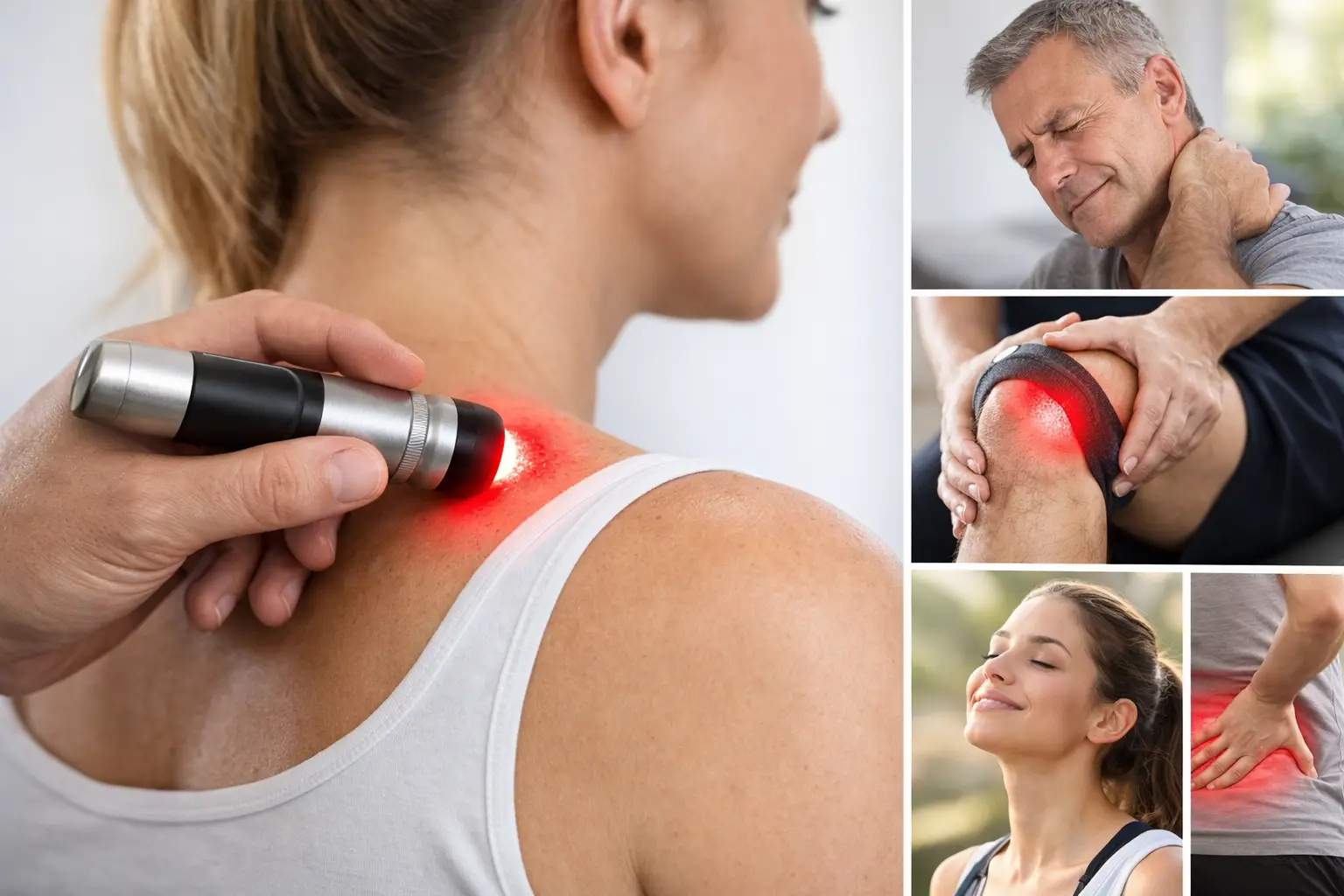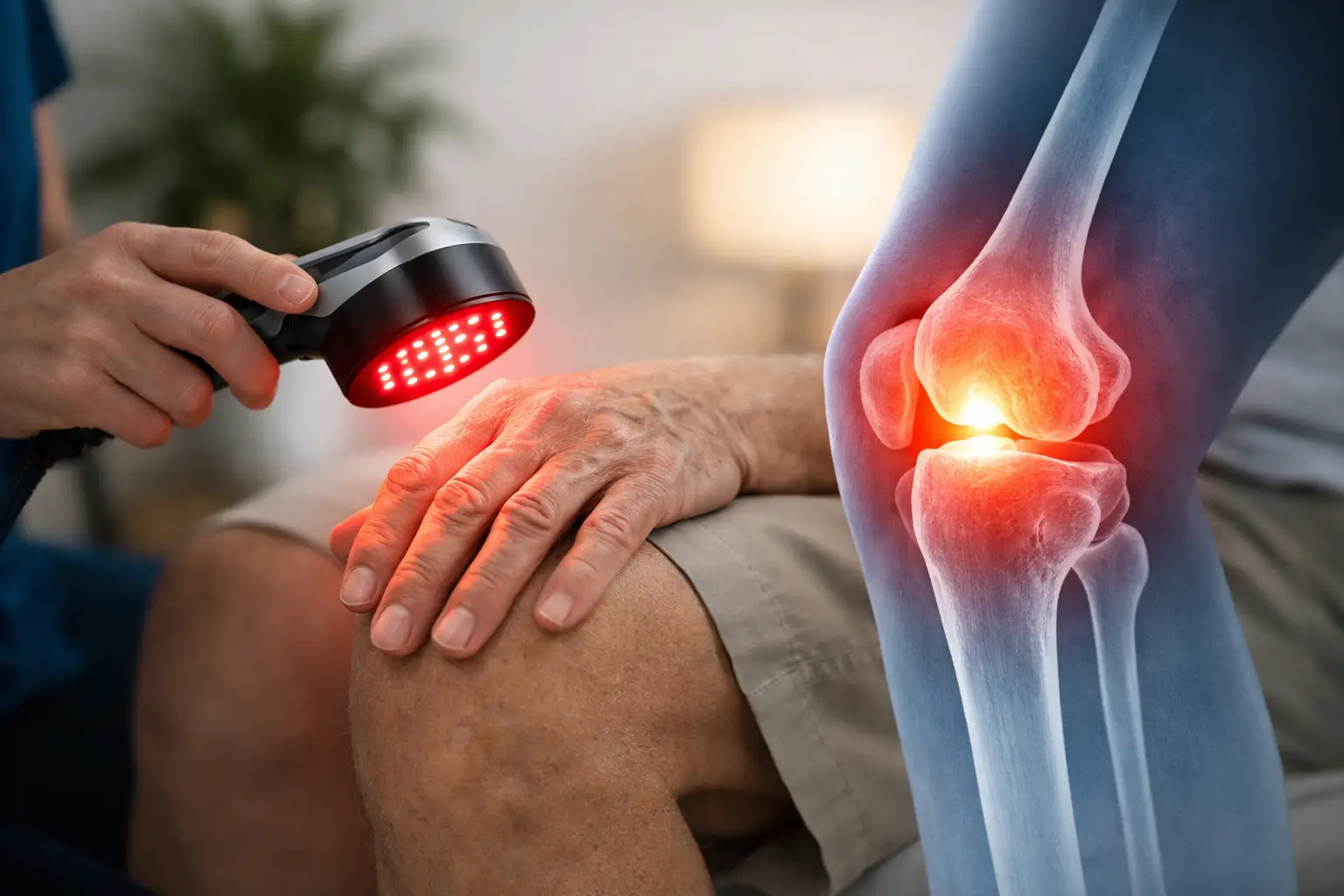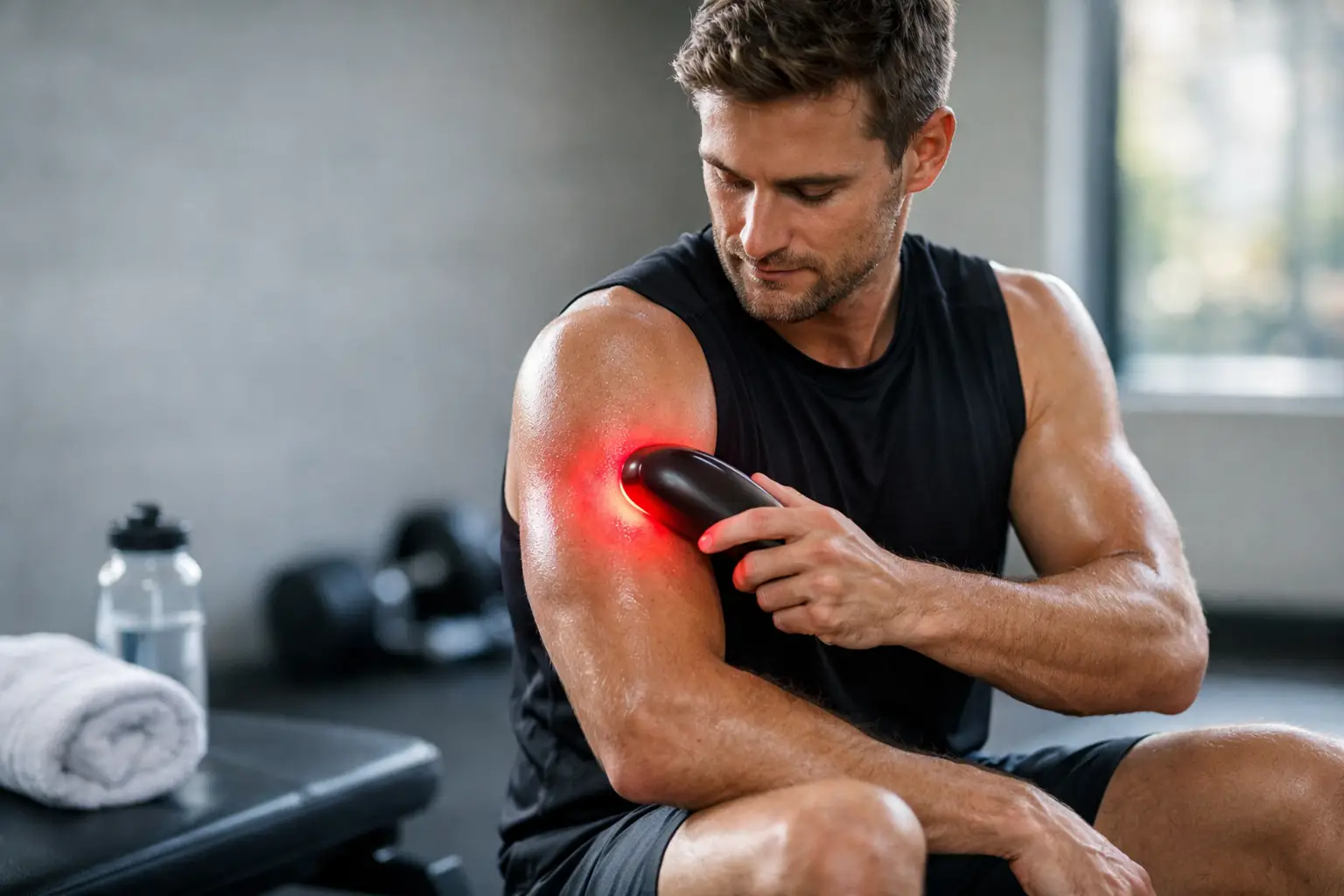
Pain Relief Healing Frequency Explained

When pain keeps showing up – in your knees, lower back, shoulders, or after a hard training session – you stop thinking about abstract wellness and start looking for something that actually helps. That is why interest in pain relief healing frequency has grown so quickly. People want a non-drug option that feels practical, repeatable, and supportive of real life, whether that means getting through the workday, sleeping better, or getting off the sideline and back in the game.

For many people, the appeal is simple. Frequency-based wellness aims to support the body rather than override it. Instead of masking symptoms for a few hours, it is often used to encourage recovery at the cellular level. That idea matters to people living with chronic discomfort and to athletes who know that better recovery is often the difference between progress and setback.

What is pain relief healing frequency?

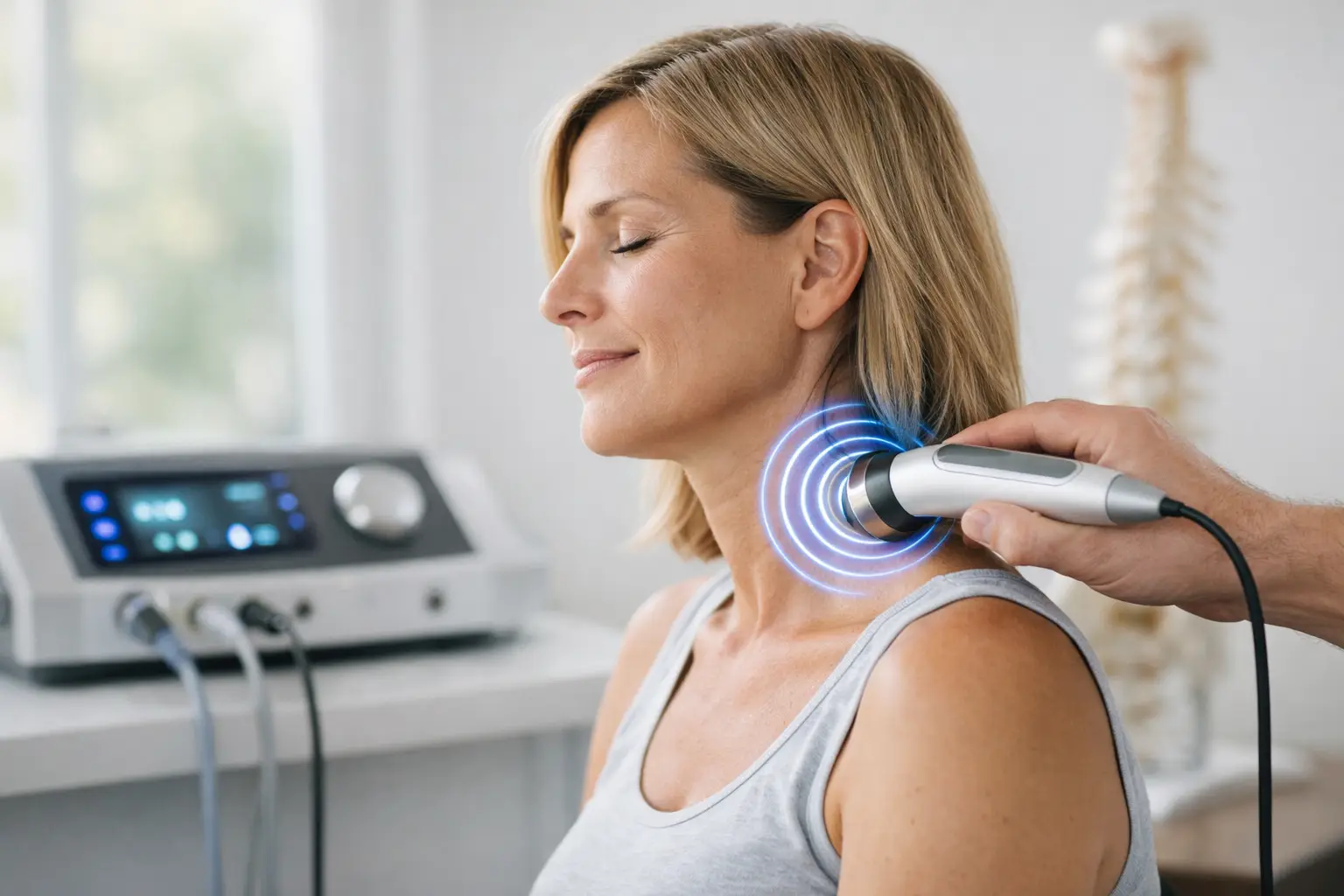
Pain relief healing frequency usually refers to the use of specific energetic patterns – often delivered through sound, electrical stimulation, or light – with the goal of supporting the body’s natural repair processes. In the wellness space, the word frequency can mean different things, so clarity matters. Some approaches are passive and meditative, while others are designed to interact more directly with tissue and cells.

That difference is where many consumers get confused. Listening to a track labeled with a healing frequency may help you relax, and relaxation can absolutely affect pain perception. But that is not the same as a device-based therapy intended to support circulation, recovery, inflammation response, and cellular activity. Both can have value. They simply do different jobs.

In practical terms, people usually care less about the terminology and more about the result. Can it help reduce soreness? Can it support healing after activity? Can it help make everyday pain feel more manageable without creating a bigger burden? Those are the right questions.

Why frequency matters for pain relief

Pain is not just one thing. Sometimes it is tied to overuse, sometimes inflammation, sometimes stiffness, sometimes injury, and sometimes long-term degeneration such as arthritis. Because pain has different causes, no single tool works the same for every person or every condition.

Frequency-based approaches are appealing because they are often used to support the systems involved in recovery rather than chase one narrow symptom. The body responds to signals. Light, movement, rest, temperature, and stimulus patterns all influence how tissue behaves. When light therapy includes pulsed frequency modulation, the goal is not only to shine light on the area but to deliver that light in a way that may better stimulate biological response.

That matters because recovery is active. Cells need energy to repair. Tissue needs healthy circulation. Muscles need help settling down after strain. Joints need support when inflammation makes movement harder. If a therapy can help the body do those jobs more efficiently, it may help shorten the gap between pain and progress.

Pain relief healing frequency and light therapy

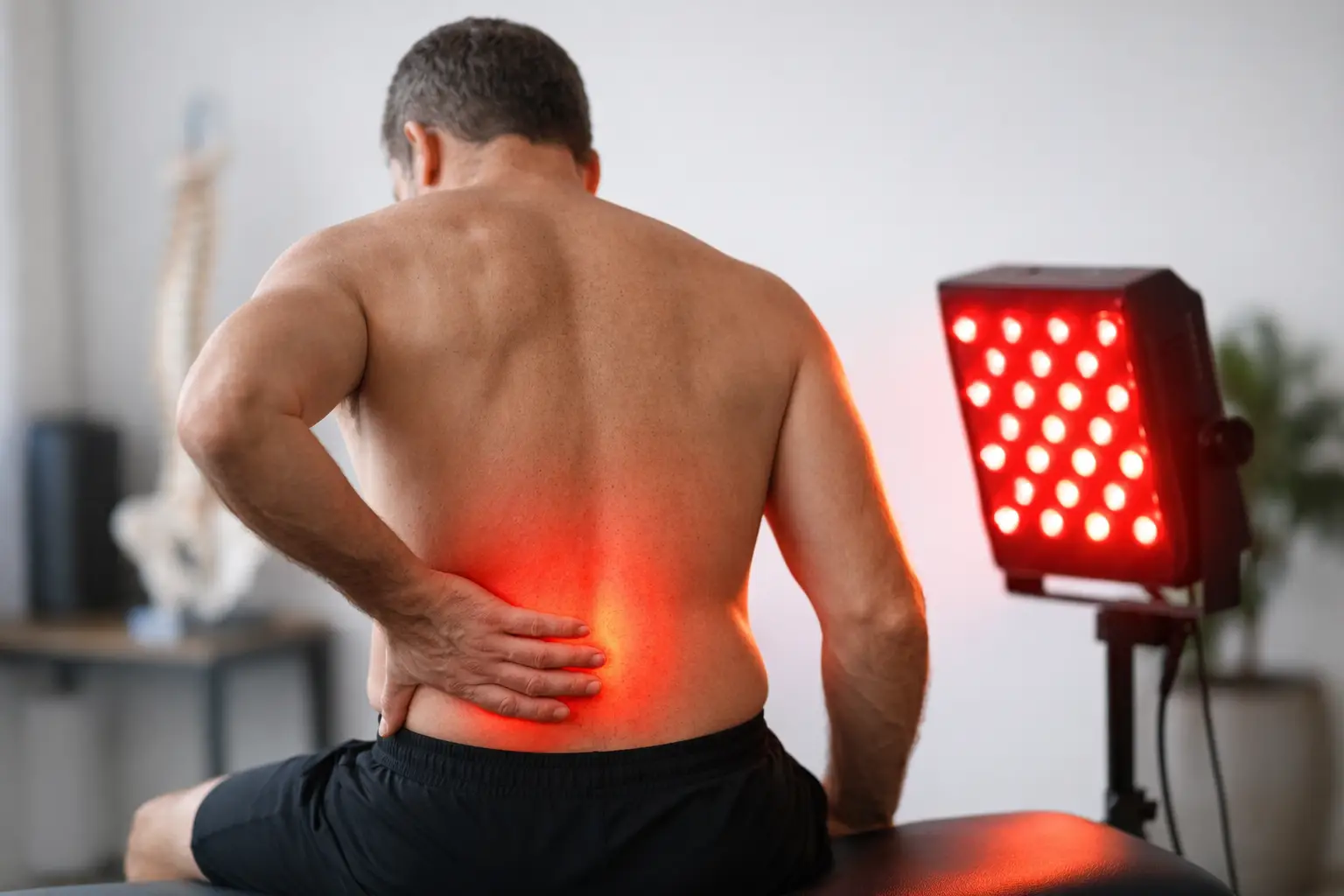
This is where the conversation gets more useful. Low level light therapy has gained attention because it is non-invasive, drug-free, and easy to fit into daily life. Instead of creating damage or forcing the body into a harsh response, it is generally used to support healthy cellular function.

When frequency is added to light delivery, the idea becomes more targeted. Rather than emitting a steady stream alone, pulsed light introduces a rhythmic pattern. That pattern may influence how the body receives the treatment. For people dealing with muscle soreness, joint pain, sports injuries, or ongoing inflammation, this can be an important distinction.

Life Light stands out in this category because it combines low level light therapy with pulsed frequency modulation. That combination speaks directly to what many people are looking for now – a natural pain support option that does more than simply warm the area or distract the nervous system for a few minutes. It is designed to stimulate cells through light and frequency, which makes it relevant for both chronic pain support and athletic recovery.

What people often feel when it works

The first thing many users notice is not dramatic. It may be less stiffness when getting out of bed, easier movement after sitting too long, or reduced soreness after training. That matters. Small improvements change behavior. When something hurts less, people move more confidently. Better movement can then support better recovery, which creates momentum.

For athletes, the experience may show up as faster bounce-back between workouts or less lingering discomfort around overworked areas. For someone dealing with arthritis or persistent joint pain, it may feel like the edge has been taken off enough to make daily activity less frustrating. That kind of relief can have a real effect on mood, sleep, and consistency.

It is worth saying clearly that results vary. Acute soreness after exercise is different from a long-standing inflammatory issue. A shoulder strain is different from nerve-related discomfort. Some people respond quickly, while others need regular use over time before they notice meaningful change. That does not make the approach weak. It means the body is complex, and good recovery support usually works best as part of a routine.

Who may benefit most

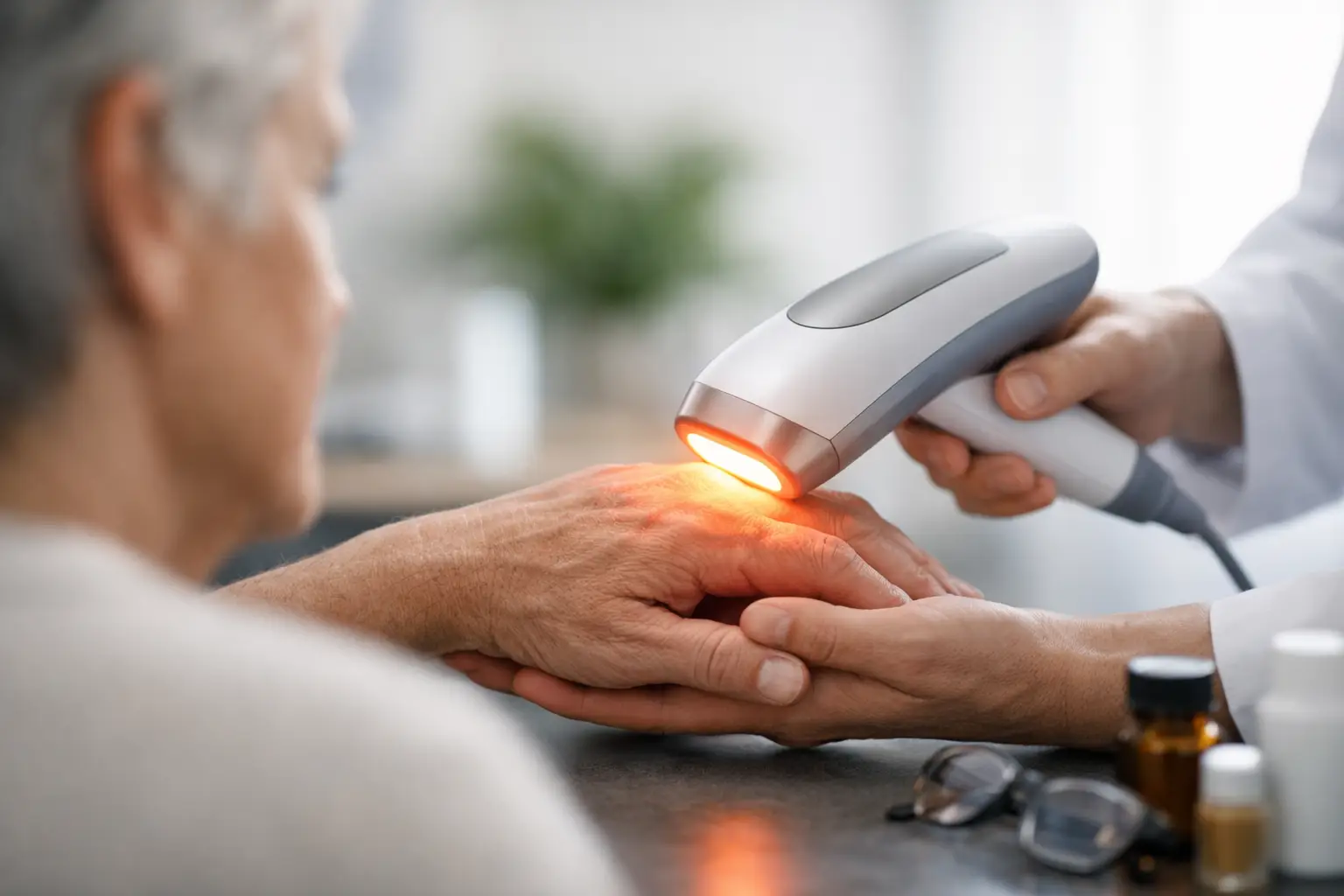
People who want to avoid overreliance on medication are often the most motivated to try frequency-based light therapy. They are not necessarily rejecting conventional care. They simply want more tools and better options. That includes adults with arthritis, repetitive strain, back pain, muscle tightness, headaches, and old injuries that still flare up.

Athletes and active adults are another strong fit. They tend to understand that pain relief is only part of the equation. Recovery quality affects performance, training consistency, and injury risk. If a therapy supports healing while keeping them moving, it becomes part of a larger strategy rather than a last resort.

The best candidates are usually people who value consistency. This is not the kind of approach where you use it once and expect a total reset. Like stretching, strength work, sleep, or hydration, the benefit often builds with regular use.

What to look for in a pain relief healing frequency device

Not every product that uses the word frequency is built with the same purpose or credibility. Some are closer to relaxation tools. Others are made for active recovery and pain support. If you are comparing options, pay attention to how the frequency is delivered, whether the device is designed for practical home use, and whether the company explains the intended benefits in plain language.

You should also think about your actual goal. If you want support for post-workout recovery, ease of use and treatment consistency matter. If you are dealing with chronic joint discomfort, you may care more about comfort, repeatability, and whether the device fits into your daily routine. A powerful system is only helpful if you will actually use it.

This is one of the biggest trade-offs in wellness technology. Some tools sound impressive but are too complicated to become a habit. Others are easy to use but too limited to make a real difference. The sweet spot is a device that feels accessible enough for everyday life while still delivering meaningful support.

Setting realistic expectations

The strongest case for frequency-based light therapy is not that it replaces every other form of care. It is that it can become a valuable part of a smarter recovery plan. That plan may also include mobility work, training adjustments, hydration, sleep, and professional guidance when needed.

If pain is severe, unexplained, or getting worse, it is always wise to get proper medical evaluation. Drug-free support is appealing, but it should not delay care when something serious is going on. At the same time, many people are managing non-emergency pain that still affects daily life in a major way. For them, a safe and non-invasive therapy can be a meaningful step forward.

The goal is not perfection. The goal is progress you can feel. Less pain when you climb stairs. Better recovery after a run. More confidence using your shoulder. Fewer days where discomfort decides what you can and cannot do.

Why this approach resonates now

People are tired of choosing between pushing through pain and shutting life down. They want a middle path that supports healing, respects the body, and fits real schedules. That is why pain relief healing frequency continues to gain attention. It speaks to something bigger than symptom control. It points toward recovery, resilience, and the chance to stay active longer.

Imagine life without pain controlling every decision. For some, that starts with one better morning. For others, it means returning to training, travel, work, or simple daily movement with less hesitation. When a wellness tool helps you move from limitation to possibility, that is more than relief – it is a way to live better and live brighter.

What a Low Level Laser Therapy Study Shows

Pain changes the way people move, train, sleep, and live. That is why interest in any low level laser therapy study keeps growing – not just among clinicians and researchers, but among people who want a drug-free way to feel better and get back to doing what they love.

The real question is not whether light therapy sounds promising. It is whether the research holds up when pain is chronic, inflammation is stubborn, or recovery needs to happen fast. The encouraging answer is that many studies point in a positive direction, especially for pain relief, tissue support, and inflammation management. The more honest answer is that results are not automatic. They depend on the condition being treated, the wavelength used, the dosage, the timing, and how consistently the therapy is applied.

What a low level laser therapy study is actually measuring

When people hear about low level laser therapy, they often assume every study is asking the same thing. It is not. One study may focus on joint pain. Another may look at tendon healing, nerve symptoms, muscle soreness, wound support, or arthritis-related stiffness. Some are measuring pain scores. Others are measuring range of motion, inflammatory markers, healing time, grip strength, or return-to-activity outcomes.

That matters because a strong result in one category does not automatically transfer to another. A therapy that helps reduce neck pain may not produce the same level of benefit for severe neuropathy. A study on short-term soreness after exercise may also tell a different story than a study on long-standing osteoarthritis.

This is where people can get misled. They see one headline and assume the science is settled across the board. It is better to read the field with some nuance. The body responds to light in complex ways, and the treatment protocol matters almost as much as the device itself.

Why the research keeps pointing to pain and inflammation

A well-designed low level laser therapy study often starts from a simple idea: cells respond to light energy. In practical terms, researchers are looking at whether that light can support cellular activity in a way that reduces discomfort, calms inflammation, and helps tissue recover.

This is one reason light therapy continues to gain traction among people with arthritis, repetitive strain issues, back pain, and sports injuries. The appeal is obvious. It is non-invasive. It does not rely on medication. It can fit into a home wellness routine or a performance recovery plan.

Research has often shown the most consistent promise in areas like soft tissue pain, joint discomfort, tendon-related problems, and inflammatory conditions. That does not mean every trial shows dramatic results. Some show modest improvement. Some show statistically significant relief that feels meaningful in daily life but not miraculous. For someone who has been limited by pain for years, even a moderate improvement can mean walking farther, sleeping better, or getting off the sideline and back in the game.

Where studies tend to look strongest

Pain relief is the category that gets the most attention, and for good reason. Many studies report reductions in pain scores, especially when treatment is repeated over time instead of used once and judged too quickly.

Recovery support is another area with real momentum. Athletes and active adults are interested in anything that can help reduce post-workout soreness, support muscle function, and improve readiness without adding more stress to the body. Light therapy fits that mindset because it aims to work with the body’s own repair processes.

Joint stiffness and mobility also come up often in the research. If pain eases and inflammation settles, movement usually improves with it. That can be a major quality-of-life shift for someone managing everyday discomfort.

Why one study can look impressive and another looks mixed

This is where the conversation gets more interesting. Low level light therapy is not one single treatment. Devices vary. Wavelengths vary. Power output varies. Session length varies. Frequency of treatment varies. Even the placement of the light changes results.

So when people ask, “Does it work?” the most accurate answer is, “It depends on how it is used.” That is not a weak answer. It is the answer good research keeps giving us.

Some studies fail to show strong benefits because the protocol may not have delivered enough energy, reached the target tissue effectively, or lasted long enough to create a meaningful response. Others combine very different patient groups, which can dilute the result. Someone with fresh inflammation is not always comparable to someone with decades of degeneration.

There is also a difference between clinical significance and statistical significance. A study can show a measurable improvement on paper that feels small in real life. The reverse can happen too. A person may feel a meaningful difference in stiffness, comfort, or function even if the trial was too small to produce a headline-grabbing result.

Reading a low level laser therapy study without getting lost

If you want to understand whether a study matters, start with a few practical questions. What condition was treated? How many sessions were used? Was there a control group? What outcome was measured? Was the benefit short-term, or did it last?

A study on temporary muscle fatigue may be useful for athletes, but less useful for someone dealing with chronic knee arthritis. A trial showing reduced tenderness after a few sessions may be encouraging, but long-term function matters too. The best studies do more than ask whether pain changed on one day. They ask whether movement improved, whether recovery was faster, and whether people could return to normal activity.

This is also why consumers should be cautious about oversimplified claims. Research-based credibility is valuable, but real confidence comes from matching the right protocol to the right need. Light therapy is not magic. It is a tool. Used well, it can be a powerful one.

What this means for chronic pain and active recovery

For people living with chronic pain, the research offers something more valuable than hype – a reason for hope grounded in physiology and repeated clinical interest. If you are trying to avoid heavy reliance on pain medication, low level light therapy stands out because it aims to support relief without adding another chemical burden.

For athletes, trainers, and highly active adults, the appeal is a little different. The goal is often speed, resilience, and consistency. Recovery is not just about feeling better. It is about maintaining performance, reducing downtime, and helping the body stay ready for the next session, the next practice, or the next competition.

That is why frequency, timing, and consistency matter so much. One treatment may feel good. A series of treatments often tells the real story. The body responds best when support is repeated and targeted, not random.

Why pulsed delivery is part of the conversation

As research in this category grows, more attention is going to how light is delivered, not just whether light is used. That opens the door to systems designed around both light and frequency, with the goal of creating a stronger biological response.

This is where innovation matters. Life Light has built its approach around pulsed frequency modulation, a distinction that reflects a broader truth in the category: delivery method can shape outcomes. For consumers, that means looking beyond generic light claims and asking whether a device is designed for real-world relief, healing support, and performance recovery.

What the studies do not say

The research does not say light therapy replaces every other treatment. It does not say every person will respond the same way. It does not guarantee instant results for advanced conditions or severe injuries.

What it does say, with increasing consistency, is that targeted light therapy deserves serious attention as part of a broader wellness and recovery strategy. For some people, it may be the difference between relying only on short-term symptom management and building a routine that supports long-term function.

That is a meaningful shift. When pain is holding you back, progress does not have to mean something dramatic overnight. Sometimes it means less stiffness in the morning, fewer interruptions in training, better mobility after activity, or finally feeling like your body is moving in the right direction again.

The smartest way to read the science is with optimism and clear eyes. A low level laser therapy study can show promise, mechanism, and measurable benefit. Your best result comes from choosing a quality device, using it consistently, and matching the therapy to what your body actually needs. Imagine life without pain, or at least with less of it. For many people, that possibility is reason enough to pay attention to the light.

Is Low Level Light Therapy Safe?

When pain keeps showing up – after workouts, during long workdays, or in the middle of the night – safety matters just as much as relief. If you’re asking, is low level light therapy safe, the short answer is yes for most people when it’s used properly. The longer answer is where it gets useful, because safe does not mean careless, and the best results usually come from knowing when, where, and how to use it.

Is low level light therapy safe for everyday use?

For most adults, low level light therapy has a strong safety profile. It is non-invasive, drug-free, and does not rely on heat to force a result. That matters for people who want pain support or recovery help without adding another medication, another injection, or another difficult routine.

Low level light therapy, often called LLLT or photobiomodulation, works by delivering specific wavelengths of light to tissue. The goal is to support cellular activity, circulation, and recovery. Unlike surgical lasers, these devices are designed to work at much lower intensities. That is one reason they are widely used for pain relief, soft tissue support, and inflammation management.

The phrase safe for everyday use still comes with a condition – the device has to be used as directed. More light is not always better. Longer sessions are not always smarter. A quality device, clear instructions, and consistent use matter more than overdoing it.

What the safety record actually looks like

One reason low level light therapy continues to gain traction is that reported side effects are generally mild and uncommon. In many studies and real-world use cases, people tolerate it well. That makes it appealing for adults managing arthritis, back pain, joint stiffness, sports injuries, or recovery after hard training.

Most people do not feel much during treatment beyond gentle warmth or no sensation at all, depending on the device. That can make some first-time users skeptical. But a treatment does not need to feel aggressive to be active. In fact, one of the benefits of low level light therapy is that it aims to support healing without creating additional trauma.

When side effects do happen, they tend to be minor. Some people notice temporary redness, slight irritation, or short-term soreness in the treated area. That is often mild and fades quickly. In some cases, people feel a temporary change in symptoms before improvement begins, especially when they are dealing with long-standing inflammation or overused tissue.

Serious complications are rare when devices are properly designed and used as intended. The bigger safety concern is usually not the therapy itself. It is poor product quality, misuse, or treating the wrong area without guidance.

Where caution matters most

A confident answer should still leave room for common sense. Low level light therapy is safe for many situations, but there are times when extra caution is the right move.

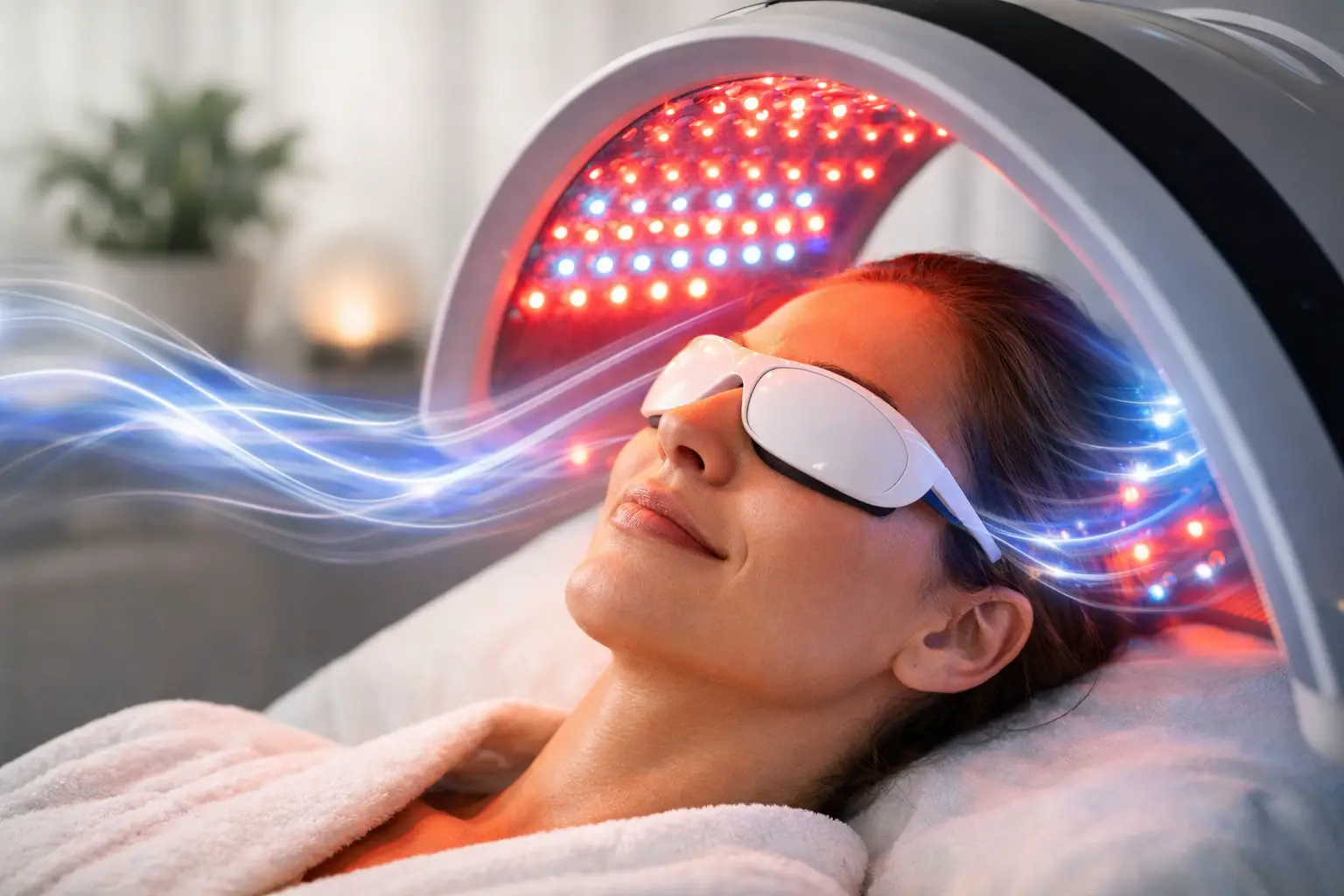
Eye safety comes first. You should never shine therapeutic light directly into the eyes unless a device is specifically designed and cleared for that purpose. Protective eyewear may be recommended depending on the wavelength and power level.

Pregnancy is another area where people should check with a qualified healthcare provider before use, especially over the abdomen or lower back. The same goes for anyone with active cancer, unexplained pain, a new lump, or a condition that has not been medically evaluated.

If you take medications that increase light sensitivity, or if you have a health condition that affects how your skin responds to light, it is smart to ask your physician before starting. This does not automatically mean low level light therapy is unsafe. It means your situation deserves a more personalized answer.

People with implanted medical devices should also review product guidance carefully. Some light therapy systems may be fine to use, but assumptions are not a safety plan.

Is low level light therapy safe compared with other pain options?

This is where the conversation becomes real for everyday users. Many people are not choosing between light therapy and doing nothing. They are comparing it to pain pills, repeated icing, cortisone shots, missed workouts, limited mobility, or simply pushing through discomfort until it gets worse.

Against that backdrop, low level light therapy is often attractive because it is non-invasive and does not carry the same systemic burden as many medications. It does not ask your digestive system, liver, or kidneys to do the work. It does not require downtime. It does not create the same recovery trade-offs associated with more aggressive interventions.

That does not make it magic, and it does not replace medical care when an injury is serious. But for people who want to stay active, support healing naturally, and reduce dependence on medication-based pain management, the safety profile is a major part of the appeal.

Athletes often appreciate this for a different reason. They want something that supports recovery without slowing them down. If a therapy can help them get off the sideline and back in the game without adding heavy recovery costs, it earns attention fast.

Why device quality makes a difference

Not every light therapy device is created equal. Two products can both be labeled light therapy while delivering very different experiences, treatment consistency, and safety standards.

A well-designed device should provide clear operating instructions, treatment guidance, and practical safeguards. Reputable companies also explain intended use rather than making reckless claims. That matters because confidence should come from design and research, not hype.

This is especially important in the at-home market. Home use can be incredibly convenient, but convenience only works when the system is built for real people to use correctly. That includes clarity around treatment times, placement, and precautions.

Some advanced systems also go beyond simple light delivery by using pulsed frequency modulation to pair light with frequency-based support. For users who want a more performance-driven wellness approach, that added sophistication can be compelling, as long as the device still remains straightforward and safe to use as directed.

What safe use looks like in practice

Safe use is usually simple. Start by following the manufacturer’s instructions exactly. Treat only the recommended areas. Use the device for the recommended session length and frequency. Wear eye protection if the product instructions call for it.

It also helps to pay attention to your body instead of chasing instant results. If a setting feels irritating, if your skin reacts unexpectedly, or if pain worsens significantly, stop and get guidance. Relief and recovery should build confidence, not create uncertainty.

Consistency tends to beat intensity. Many users see better outcomes from a steady routine than from occasional overuse. Think of it as support for the body’s healing process, not a one-time fix.

If you are managing a diagnosed condition, recovering from surgery, or using light therapy alongside physical therapy or other treatment, coordination matters. Low level light therapy can be part of a broader plan, and that plan works best when each piece supports the others.

Who is most likely to benefit safely?

Adults dealing with muscle soreness, joint discomfort, arthritis-related stiffness, tendon irritation, back pain, and sports recovery are often good candidates. These are the people looking for practical relief that fits real life. They want to move better, sleep better, train better, and rely less on temporary fixes.

That is where low level light therapy stands out. It meets people where they are – at home, in the training room, after a long shift, or between rehab sessions. Used correctly, it offers a path that feels proactive instead of passive.

For many, that changes the mindset around pain. Relief is not just about masking symptoms. It is about creating a better daily rhythm, restoring movement, and getting back to what makes you feel like yourself.

The bottom line on safety

So, is low level light therapy safe? For most people, yes. It is widely considered a low-risk option when used properly, and that is exactly why it continues to grow in both wellness and performance settings. The trade-off is simple: you still need a quality device, clear instructions, and enough common sense to respect the limits.

If you want a natural option that supports healing without adding more stress to your body, low level light therapy is worth serious consideration. The safest path is not guessing. It is choosing a trusted system, using it with purpose, and giving your body the support it needs to live better and move brighter.

Light Therapy for Sunburns?

Treating a sunburn with more light may seem counter-intuitive, but it makes a lot of sense when you understand the science.  Sunburns are caused by ultra violet light (in the wavelength spectrum of 290nm to 380nm).  There are other wavelengths of light that are helpful to your body.  This is light that your cells can take in to help them heal faster.  These helpful wavelengths include red (630nm to 660nm) and infrared (830nm to 880nm).

When skin is damaged by too much exposure to UV light, you get a sunburn.  Exposing that same skin to only the helpful wavelengths of light can help those damaged tissues to heal faster.  We have seen sunburns that looked destined to peel turn instead into a nice tan.  So yes, sometimes a great way to treat a sunburn is with more light, it just has to be the right type of light.

Trigger Finger

LifeLight Protocols

Issue: Trigger Finger

Protocols: #11 and #4 and #24

Initial Time: 30 minutes

Initial Frequency: Twice a day

Pad Placement: Wrap pad around trouble areas. The brain stem can also be helpful.

Notes: Start off with #11 two days in a row for 30 minutes and then switch to every other day. After a week on #11, switch off between #24 and #4.

Tennis Elbow

LifeLight Protocols

Issue: Tennis Elbow

Protocols: #25

Initial Time: 30 minutes

Initial Frequency: Twice a day

Pad Placement: Wrap pads around the elbow

Notes: After pain is under control, dial back to 1 treatment per week or before and after physical activity