How to Treat Sports Injuries the Smart Way

How to Treat Sports Injuries the Smart Way

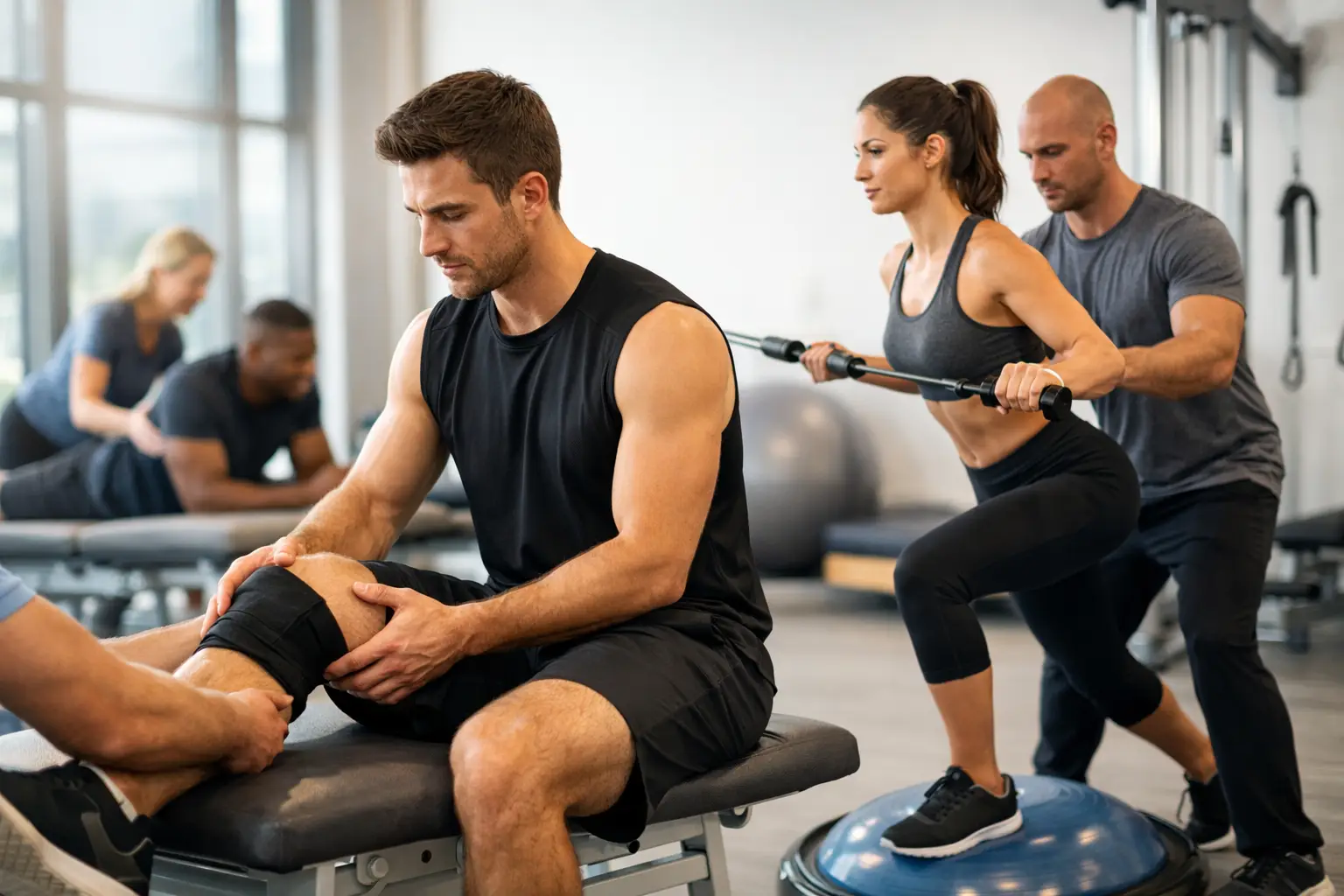
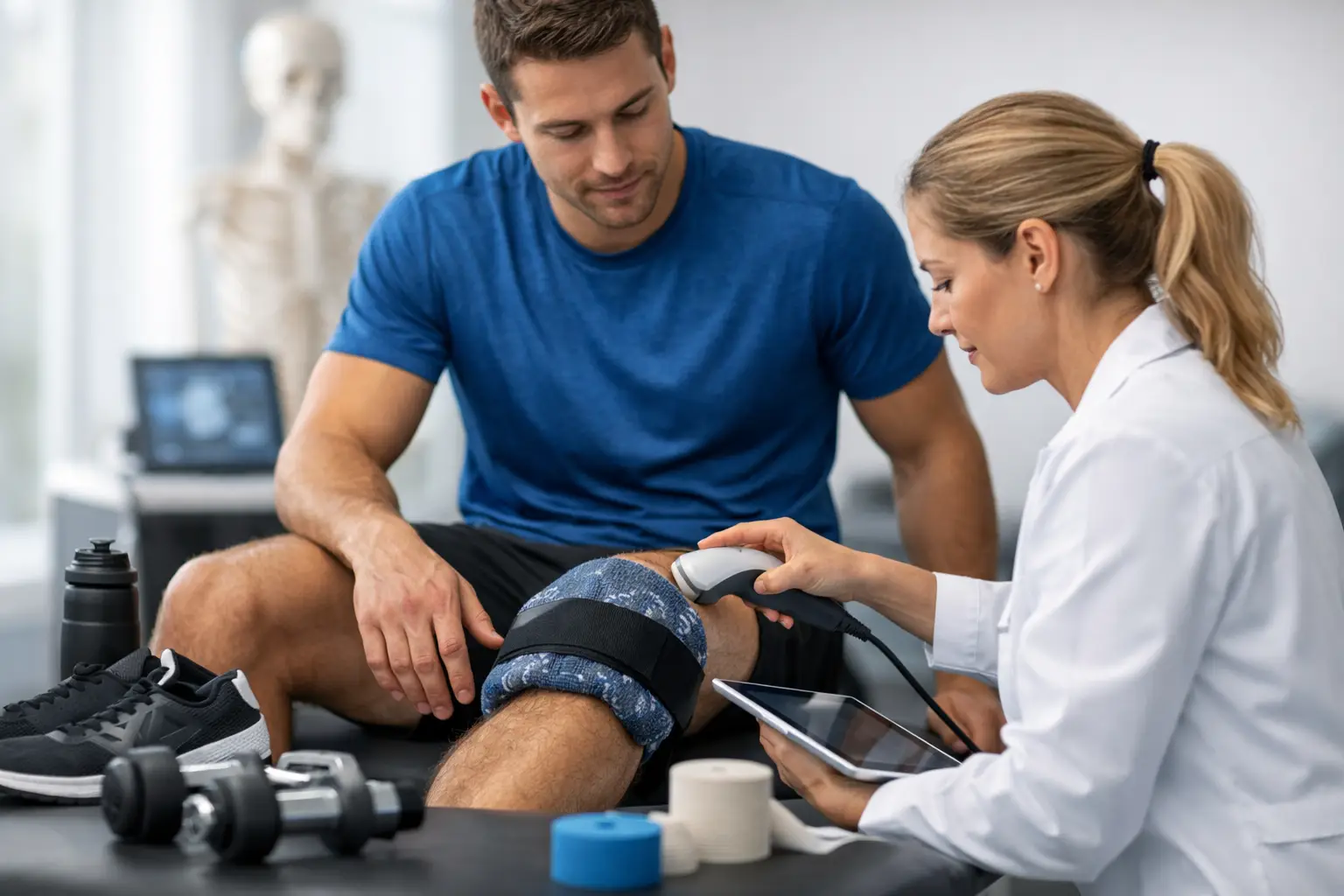
A rolled ankle in the last five minutes of a game. A shoulder that starts barking after every serve. A knee that never quite feels right after a hard run. If you are searching for how to treat sports injuries, you probably do not need theory right now – you need a clear plan that helps you reduce pain, protect the injury, and get back to movement without making things worse.

The good news is that many sports injuries respond well to early care, smart recovery choices, and a little patience. The hard part is knowing when to rest, when to move, and when to get help. Recovery is rarely about one dramatic fix. More often, it is about stacking the right decisions day after day until your body is ready again.

How to treat sports injuries in the first 48 hours

The first phase matters because it sets the tone for everything that follows. Whether the injury came from a sudden twist, a fall, overtraining, or repeated strain, your immediate goal is simple: calm things down.

Start by stopping the activity that caused the pain. Playing through it may feel tough, but it often turns a manageable strain into a longer recovery. Protect the area and avoid movements that sharply increase pain, swelling, or instability. If your ankle gives way when you stand, or your shoulder catches every time you lift it, that is your body asking for less load, not more.

Compression, elevation, and temporary rest can help control swelling in many soft tissue injuries. Ice may also help with short-term pain relief, especially in the early stage, though it is not a cure by itself. Keep expectations realistic. The goal is to reduce symptoms enough that your body can begin repairing tissue, not to erase the injury overnight.

This is also the moment to pay attention to red flags. If you hear a pop followed by immediate swelling, cannot bear weight, see a visible deformity, have numbness, severe weakness, or joint instability, do not guess. Get evaluated promptly. A fracture, complete tear, dislocation, or concussion needs more than home care.

Know what kind of injury you are dealing with

Not all sports injuries should be treated the same way. A mild muscle strain, a tendon overuse issue, and a ligament sprain can all cause pain, but they recover differently.

Acute injuries tend to happen all at once. Think ankle sprains, pulled hamstrings, jammed fingers, and falls that leave one area immediately painful. Overuse injuries build gradually. You may notice elbow pain after weeks of lifting, shin pain that worsens with mileage, or shoulder irritation that keeps returning after workouts. Acute injuries usually need protection first. Overuse injuries often need a change in load, movement mechanics, and recovery habits.

That distinction matters because doing too much too soon can delay healing, but doing too little for too long can create stiffness, weakness, and a longer return. It depends on the tissue involved, how severe the damage is, and how your symptoms respond over the next several days.

Common sports injuries and what they usually need

Sprains often benefit from early support and gradual reloading. Strains usually improve with relative rest followed by controlled movement. Tendon irritation may need reduced activity, but not total shutdown, because tendons often respond best to the right amount of progressive loading. Joint injuries can be more complicated, especially if there is locking, instability, or deep swelling.

If your pain keeps getting worse instead of better after a few days, or if the same injury keeps returning, it is time to stop treating it like a minor setback.

Pain relief should support healing, not just cover symptoms

A big mistake people make is chasing pain relief while ignoring the injury itself. Feeling better for a few hours does not always mean the tissue is ready for sports, work, or training.

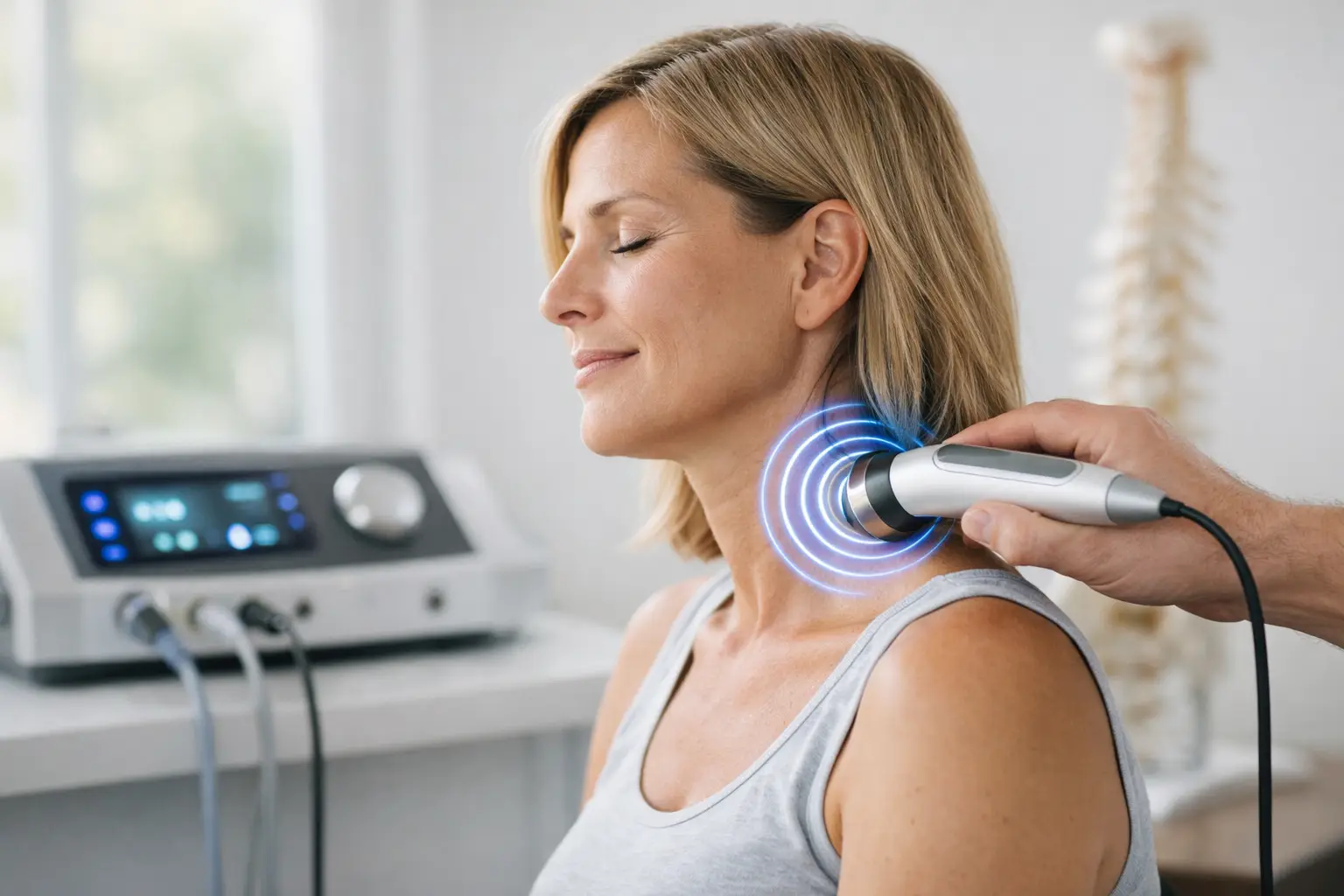
Medication may have a place for some people, but many active adults are looking for drug-free ways to manage pain while supporting recovery. That is where non-invasive options can fit naturally into a smart rehab plan. Low level light therapy is one example. It is used by many people to support circulation, ease discomfort, and help the body recover from strains, sprains, and inflammation without adding more stress to the system.

For athletes and active adults who want to stay off the sideline and back in the game, recovery tools should do more than mask symptoms. They should help create an environment where healing can happen. Life Light takes that approach by combining light with pulsed frequency modulation, giving users a natural option that supports both pain relief and recovery at home.

That does not mean one tool replaces everything else. The best results usually come when pain relief, movement, sleep, hydration, and smart training all work together.

When to start moving again

This is where recovery gets tricky. Total rest sounds safe, but after the initial phase it can backfire. Most soft tissue injuries need some level of movement to restore blood flow, maintain joint mobility, and prevent the surrounding muscles from shutting down.

The key is controlled movement, not a full return to your workout. If walking on a sore ankle is possible with only mild discomfort, short easy walks may help more than staying completely still. If a shoulder strain hurts with overhead motion, you may still be able to do gentle range-of-motion work below that threshold.

Pain can guide you, but it should not be your only guide. Mild discomfort during rehab is common. Sharp pain, worsening swelling, limping, compensation, or next-day flare-ups usually mean you pushed too hard. A good rule is that symptoms should stay manageable during activity and settle back down within a day.

How to treat sports injuries without rushing the comeback

Progress in stages. First restore basic motion. Then rebuild strength. Then bring back speed, power, and sport-specific movement. Too many people skip the middle and test the injury before it is ready.

That is why an athlete may feel fine jogging but flare up the moment they sprint, cut, jump, or change direction. Daily life and sport are not the same demand. Your return should match the real forces your body will face.

Recovery habits that make a real difference

Healing does not only happen during treatment sessions. It happens between them. Sleep is one of the strongest recovery tools you have, because that is when much of the body’s repair work is taking place. If you are sleeping poorly, your recovery may feel slower, your pain may feel louder, and your energy for rehab will drop.

Nutrition matters too. Your body needs enough protein, fluids, and overall calories to rebuild damaged tissue. Under-fueling is common in active people, especially when they reduce training and assume they need less support. In reality, injury recovery is work.

Stress also plays a role. When your system is overloaded, pain can feel more intense and progress can feel inconsistent. That is one reason some injuries seem better one day and worse the next. The body is not a machine. Recovery responds to the full picture.

When professional help is the smart move

Some injuries should be evaluated early, and others become obvious with time. If you cannot use the limb normally, have major swelling or bruising, feel unstable, or are not improving after a week or two of reasonable care, get assessed. The same goes for repeated injuries in the same spot.

A good clinician can help clarify what tissue is involved, whether imaging is needed, and what a realistic return timeline looks like. That guidance can save weeks of frustration. It can also keep a small issue from turning into a chronic one.

There is no weakness in getting help. The real setback is pretending an injury will disappear while you keep aggravating it.

The goal is not just less pain

The real win is getting back to confident movement. That means the injured area can handle the load of your sport, your training, or your daily life without constant fear of reinjury. Pain relief is part of that, but durability is what keeps you active.

If you want to know how to treat sports injuries well, think bigger than the first few days. Calm the injury. Support the healing process. Use recovery tools that fit your values. Rebuild strength and movement with patience. Respect the signs that tell you to slow down or get help.

Your body wants to recover. Give it the right support, and you give yourself a better chance to move stronger, feel better, and live brighter.

Beginner Guide to Frequency Based Pain Relief

Beginner Guide to Frequency Based Pain Relief

Pain changes the way you move through the day. It can turn a morning workout into a skipped routine, make stairs feel like a challenge, or leave you reaching for short-term fixes that never quite solve the bigger problem. This beginner guide to frequency based pain relief is for anyone looking for a natural, drug-free way to feel better, recover faster, and get back to doing what they love.

Frequency-based pain relief sounds high-tech, but the basic idea is surprisingly simple. Your body runs on signals. Cells communicate, nerves transmit messages, and healing depends on the right processes happening at the right time. Frequency-based approaches are designed to support those processes by delivering specific patterns of energy to the body. In light-based systems, that means using light not just as illumination, but as a targeted wellness tool.

For many people, the appeal is immediate. You are not looking for another complicated routine or a solution that leaves you sidelined. You want something non-invasive, practical, and easy to use at home or as part of a performance recovery plan. That is where frequency delivered through light has gained attention.

What frequency based pain relief means

At its core, frequency based pain relief refers to the use of measured energy patterns to influence how the body responds to discomfort, inflammation, and recovery. Different technologies may use sound, electrical stimulation, or light. In a light-based system, the frequency is carried through pulses of light rather than a steady beam.

That pulsing matters. Continuous light can still be useful, but pulsed light introduces rhythm. The body is responsive to rhythm in many ways, from brainwaves to heart rate to cellular activity. Supporters of frequency-based therapy believe that carefully selected pulse patterns may help encourage a more effective healing response than light alone.

This does not mean frequency is magic, and it does not mean every ache disappears overnight. What it means is that light and frequency together may create a stronger signal for the body to respond to, especially in areas dealing with soreness, stiffness, overuse, or recovery stress.

A beginner guide to frequency based pain relief and light therapy

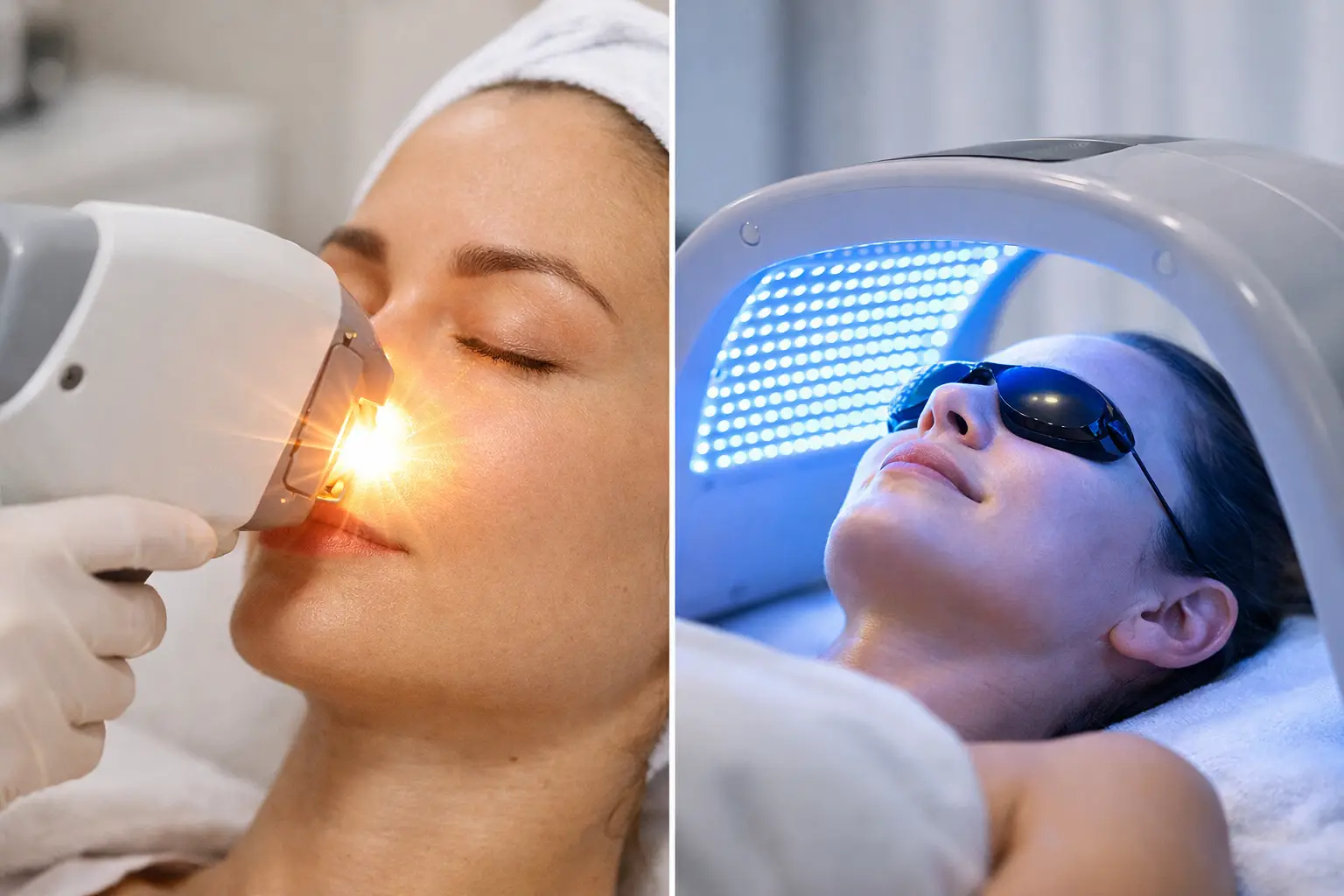
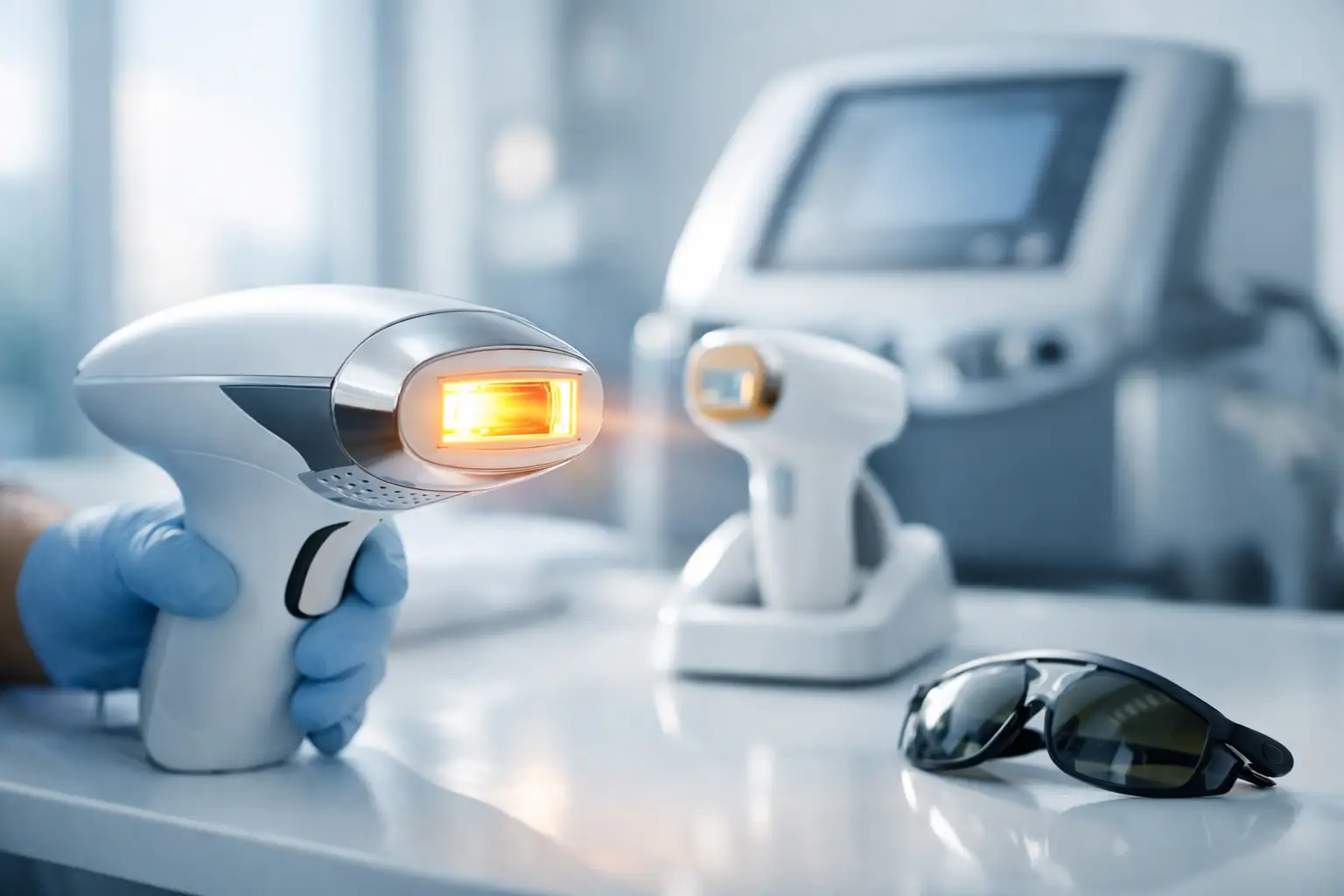
Low level light therapy uses specific wavelengths of light to interact with tissue below the skin. Unlike treatments that rely on heat or invasive procedures, this type of therapy is generally intended to support the body without damaging tissue. The goal is to stimulate normal cellular function, which may help with circulation, tissue repair, and inflammation management.

When frequency is added through pulsed modulation, the light is delivered in intervals instead of a constant stream. That combination is what makes this category stand out. It is not just about shining light on a sore knee or a tight shoulder. It is about delivering light in a way that may better engage the body’s own healing systems.

For someone new to this space, the easiest way to think about it is this: light provides the energy, and frequency shapes how that energy is delivered. Together, they are used to support relief and recovery.

Why beginners are interested in it now

People are tired of the same cycle – pain shows up, activity drops, recovery slows down, and dependence on temporary solutions grows. That is true for someone managing arthritis in everyday life and for an athlete trying to stay off the sideline and back in the game.

Frequency-based pain relief speaks to both groups because it fits real life. It can be used as part of a recovery routine, a mobility plan, or daily wellness support. It also appeals to people who want a natural option before moving toward more aggressive interventions.

There is also a mindset shift happening. More adults are looking for tools that help the body perform better instead of simply masking symptoms. They want to stay active, independent, and capable. They want to live better and live brighter, not just get through the day.

What it may help with

The most common interest areas include joint discomfort, muscle soreness, workout recovery, inflammation, stiffness, and repetitive stress issues. Some people also explore light-based frequency support for chronic aches that make sleep, movement, or exercise harder than they should be.

Results depend on the person, the condition, and consistency of use. A fresh sports strain may respond differently than long-term knee pain. Mild tension may improve quickly, while deeper or more persistent issues often require patience. That does not make the approach less valuable. It simply means expectations should be grounded in how recovery really works.

If pain is severe, rapidly worsening, or tied to an undiagnosed injury, frequency-based tools should not replace medical evaluation. The strongest wellness routines often combine self-care with proper clinical guidance when needed.

What using it actually feels like

One reason people stick with light-based recovery tools is that they are easy to tolerate. Most users do not describe the experience as intense. Depending on the device, you may feel little to nothing during a session, or you may notice a mild warming sensation. The goal is not to overwhelm the body. It is to support it.

That can be a surprise for beginners. We often associate effectiveness with intensity, but recovery does not always work that way. Gentle, repeatable support can be more useful than a harsh treatment you avoid after one try.

Consistency matters more than drama. A few steady sessions each week often make more sense than a single long session followed by no follow-through.

How to approach frequency based pain relief as a beginner

Start with one target area and a clear reason for using it. Maybe it is a stiff lower back after work, sore shoulders from training, or chronic hand discomfort that slows down your routine. Focusing on one issue makes it easier to notice change.

Use the device as directed and give it enough time to show a pattern. Some people feel a shift quickly, especially with minor soreness or post-workout tightness. Others notice improvement gradually through easier movement, less stiffness in the morning, or faster recovery after activity.

It also helps to track simple outcomes. Ask yourself whether pain intensity is changing, whether range of motion is improving, and whether you are returning to normal activity with less hesitation. Relief is not always dramatic at first. Sometimes it shows up as momentum.

What to look for in a device

Not all light therapy systems are built the same. If frequency is part of the appeal, look beyond basic claims and pay attention to how the technology is delivered. A device that uses pulsed frequency modulation is offering something different from one that only provides continuous light.

You should also consider ease of use, treatment flexibility, and whether the device fits your lifestyle. A serious athlete may want something that supports regular recovery sessions around training. A person managing chronic discomfort may care more about convenience and comfort at home. The best tool is one you will actually use.

This is where a system like Life Light stands out. By combining low level light therapy with pulsed frequency modulation, it is designed to support both everyday pain relief and performance-focused recovery in one approach.

The trade-offs to understand

Frequency-based pain relief has real advantages, but it is not a one-size-fits-all answer. It may be a great fit for ongoing support, recovery routines, and non-invasive care. It may be less effective as a standalone answer for complex injuries or conditions that require broader treatment.

There is also a patience factor. Natural wellness tools often build results over time. If you expect instant, complete relief from a long-standing problem, you may miss the meaningful progress happening underneath – better mobility, less inflammation, and more confidence in movement.

The upside is that these tools can become part of a larger strategy for staying active. Instead of waiting until pain becomes overwhelming, many people use them early and consistently to support the body before problems escalate.

Is this approach right for you?

If you want a non-invasive, drug-free option that supports pain relief and recovery, frequency-based light therapy is worth a serious look. It is especially appealing if your goal is not just to reduce discomfort, but to return to movement, training, work, and daily life with more freedom.

You do not need to be a professional athlete to benefit from better recovery support. You just need a body that works hard and deserves help healing. For some people, that means getting through the day without joint pain. For others, it means shaving recovery time between workouts. Both are valid.

The best place to begin is with realistic expectations and a willingness to be consistent. Relief, healing, and performance are connected. When you support the body with the right tools, progress becomes possible again.

Imagine life without pain not as a slogan, but as a direction. Start small, stay steady, and give your body the support it needs to move forward.

Pulsed Frequency Light Therapy Benefits

Pulsed Frequency Light Therapy Benefits

Pain changes how you move through the day. It makes workouts shorter, sleep lighter, and simple tasks feel bigger than they should. That is why interest in pulsed frequency light therapy benefits keeps growing among people who want real relief without leaning harder on medications, injections, or long recovery timelines.

For many adults, the appeal is straightforward. They want less pain, better mobility, and a faster path back to normal life – or back to training, competing, and staying active. Pulsed light therapy speaks to both needs because it brings together low level light therapy and frequency-based delivery in a way that aims to support the body where it matters most: at the cellular level.

What makes pulsed frequency light therapy different?

Standard light therapy is already known for supporting circulation, tissue repair, and temporary relief in sore or overworked areas. The difference with pulsed delivery is that the light is not emitted in one constant stream. Instead, it is delivered in pulses at specific frequencies.

That matters because the body responds to rhythm. Cells communicate through electrical and biochemical signals, and frequency can influence how that stimulation is received. In practical terms, pulsed light therapy is designed to do more than simply shine light on an area. It aims to stimulate tissue through both light energy and patterned frequency.

For someone dealing with chronic discomfort, that may mean a more targeted support tool for everyday relief. For an athlete, it may mean a recovery strategy that fits the demand for faster bounce-back between training sessions. The promise is not magic, and results can vary by condition, consistency, and overall health. But the reason people pay attention to pulsed systems is simple: they are built to do more than basic red light exposure.

The core pulsed frequency light therapy benefits people care about

When most people search for pulsed frequency light therapy benefits, they are not looking for a physics lesson. They want to know if it can help them feel better, move better, and recover faster. That is the right question.

Pain relief without a drug-first approach

One of the biggest reasons people turn to light therapy is pain. Joint stiffness, muscle soreness, repetitive strain, arthritis flare-ups, old injuries that never fully quiet down – these are the daily frustrations that push people to look for another option.

Low level light therapy has been studied for its ability to support the body’s natural healing response and reduce discomfort in treated areas. Pulsed frequency delivery adds another layer by introducing a frequency pattern that may help optimize how tissues respond to that light. For users, the practical benefit is simple: less pain can mean better movement, better sleep, and a better day.

That does not mean every condition responds the same way. Acute muscle soreness may improve faster than long-standing nerve irritation. Arthritis relief may require consistent use rather than a single session. Still, for people who want a non-invasive and drug-free support option, pain relief is often the first and most meaningful win.

Recovery support for injuries and overuse

When tissue is irritated or healing, recovery becomes the whole game. Whether it is a strained shoulder, a sore knee, tendon irritation, or post-workout fatigue, the body needs support to repair and restore.

Light therapy is often used to promote circulation and cellular activity in the treatment area. Better circulation can help deliver oxygen and nutrients where they are needed, while cellular stimulation may support the repair process. Pulsed systems are especially appealing for recovery because they are positioned to combine light exposure with frequency-based stimulation.

This is where the performance edge becomes clear. Recovery is not just for elite athletes. It matters for parents carrying kids, workers on their feet all day, adults trying to stay active with age, and anyone who wants to stay off the sideline. Faster recovery can mean fewer missed workouts, fewer down days, and more confidence in how your body responds.

Reduced inflammation and better comfort

Inflammation is one of those words people use often because they feel its effects even if they cannot see it. Heat, swelling, stiffness, tenderness, and that heavy, irritated feeling in a joint or muscle can all point back to inflammatory stress.

One of the more talked-about pulsed frequency light therapy benefits is its potential role in helping calm that cycle. By supporting circulation and cellular function, light therapy may help the body manage inflammatory responses more effectively in certain situations. For someone with chronic aches, this can translate into easier mornings, smoother movement, and less post-activity backlash.

It is worth being honest here: inflammation has many causes. A recovery tool can help support the body, but it is not a replacement for diagnosis, movement habits, sleep, hydration, or broader medical care when needed. The best outcomes usually happen when light therapy is part of a bigger wellness plan, not the only plan.

Why athletes and active adults are paying attention

Recovery used to be treated like an afterthought. Now it is part of performance. If you train hard, compete often, or simply want to stay active without paying for it the next day, recovery tools matter.

Pulsed light therapy fits naturally into that shift because it is non-invasive, easy to use, and built around supporting the body rather than overriding it. That is a powerful message for people who want to keep moving without stacking more pills, more appointments, or more downtime.

Better readiness between training sessions

Athletes do not just need to heal. They need to maintain readiness. Sore legs, tight shoulders, and lingering inflammation can limit output even when an injury is not serious enough to stop training completely.

This is where light therapy can offer a practical edge. If regular use helps reduce soreness and support tissue recovery, the result may be better consistency. Better consistency often leads to better performance. Not because the device makes you stronger overnight, but because it may help you train with fewer interruptions.

Support for nagging problem areas

Every active person has them – the knee that acts up after long runs, the elbow that gets irritated with lifting, the neck that tightens after travel and work stress. These problem areas may not require dramatic treatment, but they do need regular attention.

A pulsed light therapy device can become part of that maintenance routine. Used consistently, it may help keep minor issues from becoming major setbacks. That is one reason performance-minded users are interested in systems that go beyond standard light delivery. They are looking for something that supports resilience, not just short-term relief.

What pulsed frequency light therapy benefits may feel like in daily life

The best wellness tools earn their place because they make daily life easier. That might mean getting out of bed with less stiffness, sitting through work without your lower back barking, or finishing a workout and not dreading the next morning.

For some people, the benefits show up as a steady reduction in discomfort over time. For others, it is a recovery boost after hard activity or support during flare-ups. The experience depends on the person, the condition, and how consistently the device is used.

This is also where expectations matter. Light therapy is not usually a one-and-done solution. It tends to work best as a repeatable habit. Think of it less like a rescue move and more like a routine that supports healing, comfort, and performance over time.

Choosing a device with the right purpose

Not all light therapy devices are built the same. Some focus only on basic red light exposure. Others are designed with pulsed frequency modulation to add another layer of stimulation. If that difference matters to you, it is worth understanding what the device is actually designed to do.

A stronger device is not automatically the better device if it is hard to use consistently. Convenience matters. So does treatment area, build quality, ease of use, and whether the device is built for real-world needs like chronic pain support and athletic recovery. A system like Life Light stands out because it is built around both wellness and performance, giving users a way to support pain relief and recovery with the added dimension of pulsed frequency delivery.

That said, the right choice depends on your goal. If you want support for long-term aches and everyday function, consistency and comfort may matter most. If you are using it in a training environment, portability, frequency options, and recovery efficiency may move higher on the list.

Is it worth trying?

If you are tired of pain setting the terms, it may be. Pulsed frequency light therapy offers a compelling middle ground between doing nothing and jumping straight to more aggressive interventions. It is non-invasive, drug-free, and aligned with how many people want to care for their bodies now – naturally, proactively, and with an eye on long-term mobility.

The biggest benefit may not be a single symptom change. It may be the feeling that your body is no longer always playing catch-up. When relief, recovery, and movement start working together again, you get more than comfort. You get momentum, and that can change a lot.

Does Light Therapy for Back Pain Work?

Does Light Therapy for Back Pain Work?

Back pain has a way of shrinking your world. One bad flare-up and suddenly getting out of bed, picking up groceries, finishing a workout, or sitting through a workday feels harder than it should. That is exactly why so many people are looking at light therapy for back pain – not as a gimmick, but as a practical, drug-free option that may help them move better, recover faster, and get back to living on their terms.

If you are trying to decide whether it is worth your time, the short answer is this: for many people, yes, it can be. But the real answer depends on the kind of back pain you have, how consistently you use it, and what you expect it to do.

How light therapy for back pain is supposed to help

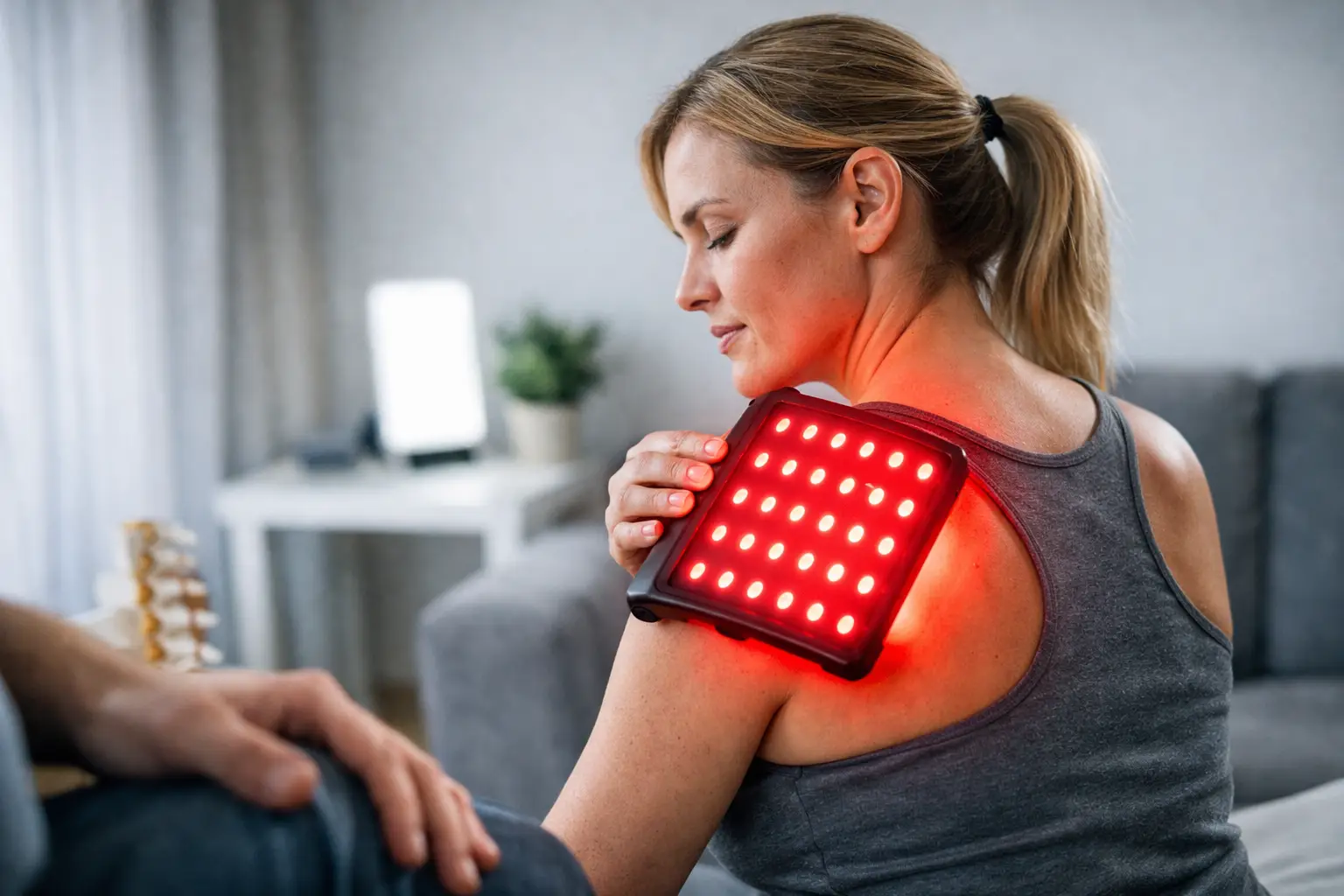
Light therapy uses specific wavelengths of light to interact with tissue below the surface of the skin. In the low level light therapy category, the goal is not to heat the body aggressively or mask pain for an hour. The goal is to support the body at the cellular level, where recovery begins.

When light reaches the targeted area, it may help support circulation, calm inflammation, and encourage normal cellular energy production. That matters because a painful back is rarely just a pain problem. It is often a recovery problem, a tension problem, an inflammation problem, or some combination of all three.

For someone with muscle strain, repetitive stress, post-workout soreness, stiffness from sitting, or chronic irritation that never fully settles down, that support can make a real difference. The body still has to heal. Light therapy is meant to help that process work more efficiently.

This is one reason the category has gained traction with both active adults and people managing ongoing discomfort. Athletes want to stay off the sideline and back in the game. Everyday users want to garden, travel, work, sleep, and move without planning their whole day around pain.

What light therapy can and cannot do

This is where a lot of confusion comes in. Light therapy for back pain is not magic, and it is not a one-session fix for every cause of pain.

If your pain is tied to muscle tightness, overuse, minor soft tissue injury, inflammation, or general wear and tear, light therapy may be a strong fit. If your pain is caused by a structural issue like a severe disc injury, spinal instability, fracture, infection, or nerve compression that is getting worse, light therapy may still play a supportive role, but it is not a substitute for medical evaluation.

That distinction matters. The best results usually happen when the treatment matches the problem.

Back pain is also not one-size-fits-all. Some people feel relief because the area loosens up and inflammation settles down. Others notice that recovery after exercise is easier, morning stiffness fades faster, or the pain intensity is lower over time. Those are meaningful wins, even if the change is gradual rather than dramatic.

Who tends to benefit most

The people most likely to stick with light therapy are usually the ones who want a natural option and care about staying active. They are not just chasing temporary relief. They want something they can build into a real recovery routine.

That includes adults with chronic lower back tension, people dealing with recurring soreness after physical work, weekend athletes, runners, golfers, lifters, and anyone who feels their back slowing them down more than it should. It can also appeal to people who are tired of leaning on pain medication just to get through basic movement.

There is also a practical advantage here. A non-invasive therapy that can be used at home is easier to maintain than treatments that require constant appointments, downtime, or a complicated setup. When something fits real life, people are more likely to use it consistently. And consistency is where light therapy has the best chance to shine.

Why consistency matters more than intensity

A lot of people try one session of any recovery tool and immediately decide whether it works. That is not usually how this category performs best.

Light therapy often works more like training than like a pain pill. You are supporting a process, not flipping a switch. Some users feel a noticeable difference quickly, especially when the issue is muscular or tied to overuse. Others need repeated sessions before they start to notice less stiffness, easier motion, or fewer flare-ups.

That does not mean more is always better. It means regular use tends to matter more than random use. A thoughtful routine gives the body repeated support, which is often what helps create lasting change.

The role of frequency and device quality

Not all light therapy devices are built the same, and that matters more than most buyers realize. Wavelength, power output, treatment area, and overall design all affect whether a device is likely to do anything meaningful.

Some systems also go beyond basic light delivery. Life Light, for example, focuses on pulsed frequency modulation, pairing low level light with frequency in a way designed to stimulate cells through both light and pulsing delivery. For people comparing options, that kind of distinction is worth understanding. Two devices may look similar on the outside and perform very differently in actual use.

This is also why bargain shopping can backfire. If a device is underpowered, poorly designed, or unclear about how it is meant to be used, the experience may not reflect what light therapy is actually capable of.

What using it feels like in real life

One reason light therapy appeals to so many people is that it does not ask you to choose between relief and momentum. You are not recovering from the treatment itself. There is no incision, no injection, and no forced downtime.

For many users, it becomes part of the rhythm of the day. Maybe it is used in the morning before a stiff back slows everything down. Maybe it is part of a post-workout recovery routine. Maybe it comes out after a long shift, a long drive, or a day that would normally trigger a flare-up.

That kind of flexibility matters. The best recovery tools are the ones people actually use.

And there is an emotional side to this that should not be ignored. Pain changes how people think. It makes them hesitate. It makes them sit out. It chips away at confidence over time. When a recovery tool helps someone move with less fear and more freedom, the benefit is bigger than a simple pain score.

When to be cautious

Confidence is good. Blind optimism is not.

If your back pain is severe, sudden, radiating down the leg with weakness, linked to trauma, or paired with symptoms like numbness, fever, or loss of bladder or bowel control, you need medical attention first. Light therapy belongs in a smart care plan, not in place of urgent evaluation.

It also helps to set realistic expectations. Light therapy may reduce pain, support healing, and improve mobility, but it does not erase every cause of back pain overnight. For some people, the best results come from combining it with mobility work, strength training, rest, hydration, and better movement habits.

That is not a downside. It is just reality. The body responds best when support comes from more than one direction.

Is light therapy for back pain worth trying?

If you want a non-invasive, drug-free recovery option and your goal is to keep moving, there is a strong case for trying it. The upside is easy to understand: potential relief, better recovery support, no downtime, and a practical way to care for your back without building your life around appointments or medication.

The trade-off is patience. You need a quality device, a consistent routine, and expectations grounded in the type of pain you are dealing with. If you have that, light therapy can be more than a temporary comfort tool. It can become part of how you stay active, protect your progress, and keep pain from calling the shots.

Imagine life without pain controlling every decision. That may not happen in one day, but better movement often starts with one smarter step. If your back has been holding you back, a well-designed light therapy routine may be the support that helps you live better, move stronger, and feel brighter again.

Does Pulsed Light Therapy Help Arthritis Stiffness?

Does Pulsed Light Therapy Help Arthritis Stiffness?

Arthritis stiffness has a way of stealing the small wins first. Getting out of bed. Opening a jar. Straightening your fingers after a long drive. If you have been asking, does pulsed light therapy help arthritis stiffness, the short answer is that it may help some people feel looser, more comfortable, and more able to move – but the results depend on the type of arthritis, the severity of symptoms, and how consistently it is used.

Does pulsed light therapy help arthritis stiffness in real life?

For many people, yes – it can be a useful part of a broader pain relief and mobility routine. Pulsed light therapy is a form of low level light therapy that delivers specific wavelengths of light into tissue. The goal is not to heat the joint or mask pain for a few minutes. The goal is to support how the body responds at the cellular level, which may help calm irritated tissue, encourage circulation, and reduce the daily drag of stiffness.

That matters because stiffness is rarely just about pain. A joint can feel tight, thick, swollen, slow, or guarded after rest. Morning stiffness is especially common in arthritis, and it can shape your whole day before breakfast. When people say a therapy is helping, they often mean they can move sooner, bend more comfortably, or get back to walking, training, gardening, or working without feeling like every motion is a negotiation.

Pulsed light therapy may support that kind of progress. It is not a cure for arthritis, and it does not rebuild a badly damaged joint overnight. But for people looking for a non-invasive, drug-free option, it is a practical tool worth understanding.

How light therapy may affect stiff arthritic joints

Arthritis stiffness usually comes from a mix of inflammation, joint wear, muscle guarding, and reduced movement. Once a joint hurts, people tend to move it less. Then the surrounding muscles tighten, circulation may suffer, and the joint feels even more stuck. That cycle is hard to break with rest alone.

Low level light therapy is thought to help by delivering light energy that cells can use. Research around photobiomodulation suggests this may influence inflammation, cellular energy production, and local blood flow. In plain language, the tissue around the joint may function better when it has more support for repair and recovery.

Pulsing may matter here too. Instead of delivering a steady beam only, pulsed light therapy uses rhythmic frequency modulation. That approach is part of what makes the category appealing to people who want more than surface-level relief. The idea is to stimulate the body through both light and frequency, with the aim of supporting a more responsive healing environment.

For someone with arthritis stiffness, that can translate into everyday benefits that feel meaningful: less resistance when standing up, easier movement after sitting, and less hesitation before activity.

What the evidence says – and what it does not

The evidence for light therapy in arthritis is promising, but it is not one-size-fits-all. Some studies on low level light therapy have found improvements in pain, stiffness, and function, especially in people with osteoarthritis and some inflammatory joint conditions. Other studies show smaller effects or mixed results depending on treatment settings, device quality, and how outcomes were measured.

That is the key trade-off. The science supports light therapy as a reasonable option for symptom management, but it does not guarantee the same result for every person. Arthritis itself is not one condition. Osteoarthritis, rheumatoid arthritis, and post-injury joint degeneration can all create stiffness for different reasons.

If your stiffness is driven mostly by inflammation and soft tissue irritation, light therapy may help you feel improvement sooner. If the joint has advanced structural damage, the therapy may still reduce discomfort and help movement, but it may not create dramatic changes on its own.

The strongest expectation is not miracle relief. It is meaningful support. Enough relief to move more freely. Enough comfort to stay active. Enough momentum to keep you off the sideline and back in the game of daily life.

Who may benefit the most

People with mild to moderate arthritis symptoms often report the clearest improvement because there is still room to restore easier motion before the joint becomes severely limited. That said, even long-term sufferers may find value if stiffness is one part of a bigger recovery plan.

You may be a good candidate if your symptoms are worse after inactivity, if you want to reduce reliance on medication when possible, or if you are searching for a non-invasive therapy that fits into home use. Athletes and active adults with early joint degeneration also tend to be interested because stiffness does not just affect comfort – it affects training quality, recovery, and confidence in movement.

People with hand arthritis, knee arthritis, shoulder irritation, and lower back joint discomfort often look to light therapy because these are areas where stiffness can quickly interfere with basic function. Relief in those joints can change the feel of an entire day.

What results usually feel like

When pulsed light therapy helps, the change is often gradual rather than dramatic. The first sign may be that the joint warms up faster in the morning. Then you might notice less soreness after activity or less hesitation during routine movement. Over time, some users report better range of motion, lower pain levels, and more confidence staying active.

This is one reason consistency matters. Light therapy is usually not a one-and-done session. Like stretching, strength work, or rehab, it tends to build with repetition. Missing that point leads many people to quit too early.

A realistic timeline may be several sessions over days or weeks before a clear pattern emerges. Some people feel a response quickly. Others need more time, especially if the joint has been stiff for years.

How to use it wisely for arthritis stiffness

The best results usually come when light therapy is part of a simple routine, not a standalone rescue move used only on bad days. Use the device as directed, target the affected joint consistently, and pay attention to what times of day help most. Many people like using it in the morning before movement or later in the day after activity when joints start to tighten again.

It also helps to pair treatment with gentle movement. If the joint feels looser after a session, that is a smart time for a short walk, mobility work, or light stretching. The goal is to use the relief to rebuild better motion, not just to feel better while staying still.

Supportive habits still matter. Body weight, inflammation, sleep, hydration, strength, and footwear can all influence stiffness. Light therapy can be a powerful ally, but it works best in a body that is being given multiple chances to recover.

When expectations should be more cautious

If a joint is severely swollen, visibly deformed, or suddenly much worse than usual, it is wise to get medical guidance. Light therapy can support comfort, but it should not replace evaluation when symptoms point to infection, major injury, or advanced inflammatory flare.

You should also keep your expectations grounded if you have bone-on-bone degeneration or significant loss of joint space. In those cases, pulsed light therapy may still help reduce pain and improve day-to-day function, but it is working within real physical limits.

That does not make it less valuable. For many people, even a modest reduction in stiffness means better sleep, easier mornings, fewer pain pills, and more willingness to stay active. That is real quality of life.

A natural option with staying power

One reason interest keeps growing is simple: people want relief that does not come with the trade-offs of constant medication use. They want something they can use at home, something that supports healing rather than just covering symptoms, and something that helps them keep moving.

That is where pulsed light therapy stands out. It offers a path that feels modern, natural, and practical at the same time. For people living with arthritis stiffness, that combination matters. The right device, used consistently, can become part of a routine that helps you move with less friction and more freedom.

Life Light is built around that promise – helping people live better, live brighter, and stay in motion with a pulsed light approach designed for both everyday pain relief and performance-minded recovery.

If your joints feel stiff enough to limit how you live, the question is not only whether pulsed light therapy can help. It is whether you are ready to give your body another way to fight for comfort, mobility, and a more active tomorrow.

How to Reduce Inflammation Naturally

How to Reduce Inflammation Naturally

A sore knee that never fully settles down. Stiff fingers in the morning. Muscles that stay tender long after the workout should be over. If you are looking for how to reduce inflammation naturally, you are probably not chasing a trend. You want your body to calm down so you can move, recover, and get back to living.

Inflammation is not always the enemy. In the short term, it is part of healing. It helps your body respond to stress, injury, and infection. The problem starts when that response lingers too long or shows up too often. Then it can feel like your body is stuck in a cycle of swelling, pain, fatigue, and slower recovery.

The good news is that natural strategies can make a real difference. The key is to think in layers, not quick fixes. Food matters. Sleep matters. Stress matters. Recovery tools matter. When you stack the right habits, you give your body a better chance to heal and perform.

How to reduce inflammation naturally in daily life

If you want lasting relief, start with what you do most days. Chronic inflammation is often tied to repeated inputs like poor sleep, ultra-processed food, inactivity, overtraining, and high stress. You do not need a perfect lifestyle. You need fewer inflammatory hits and more recovery support.

That means eating in a way that lowers the body’s burden, moving enough to keep blood flow and joint function strong, and giving your system time to repair. It also means paying attention to hidden stressors. For one person, that may be late nights and blood sugar swings. For another, it may be hard training without enough recovery.

This is where people get frustrated. They try one anti-inflammatory smoothie, one supplement, or one stretch and expect a complete reset. Natural healing usually works better when it is consistent and cumulative.

Eat for a lower inflammatory load

Food is one of the fastest ways to either fuel inflammation or ease it. A simple rule helps here: eat more foods that look close to how they came from nature, and less of the packaged stuff that drives blood sugar spikes and keeps your body in defense mode.

Focus on colorful vegetables, berries, olive oil, avocados, nuts, seeds, beans, and quality protein. Fatty fish like salmon and sardines are especially helpful because omega-3 fats are linked with a healthier inflammatory response. Herbs and spices such as turmeric, ginger, garlic, and cinnamon can also support recovery.

What you reduce matters too. Sugary drinks, excess alcohol, deep-fried foods, and highly processed snacks tend to work against you. That does not mean you can never enjoy them. It means they should not be doing most of the work in your diet.

If you notice bloating, skin changes, headaches, or joint flare-ups after certain foods, pay attention. Some people are more sensitive to dairy, gluten, or heavily refined carbohydrates than others. It depends on the person, which is why a short food and symptom journal can be more useful than guessing.

Move, but recover smart

Exercise can lower inflammation over time, but the wrong dose can push it higher in the short term. That is why smart movement beats all-or-nothing intensity.

Walking, cycling, swimming, mobility work, and light strength training all help circulation, lymphatic flow, and joint health. They also support insulin sensitivity, which matters because unstable blood sugar can feed inflammation. If you are already in pain, low-impact movement is often the best place to start.

Athletes and active adults need to hear the second half of the message too: more is not always better. Hard training without enough sleep, fuel, hydration, and recovery can leave tissues irritated and keep soreness hanging around. If you are constantly tight, inflamed, or dragging, your body may be asking for smarter recovery, not just more grit.

Sleep is one of the strongest anti-inflammatory tools

You cannot out-supplement bad sleep. When sleep drops, inflammatory markers tend to rise. Pain feels sharper, stress feels heavier, and recovery slows down.

Aim for a consistent sleep schedule, a cool dark room, and fewer screens late at night. Caffeine timing matters too. If your afternoon coffee is still working at bedtime, your recovery may be paying the price. Even one better hour of sleep per night can improve how your body handles pain and repair.

This is especially important if you live with chronic discomfort. Poor sleep and inflammation often feed each other. Pain interrupts sleep, and poor sleep raises pain sensitivity. Breaking that loop can be a major step toward feeling better.

Stress control is not optional

Mental stress becomes physical stress fast. When stress hormones stay elevated, the body can remain in a low-grade inflammatory state. That does not mean stress is the only cause, but it often makes everything louder.

You do not need a two-hour wellness routine to change this. Breathing work, short walks outside, stretching, prayer, meditation, and even ten minutes of quiet can help bring your system down. The goal is not to eliminate stress. The goal is to keep your body from living in fight-or-flight all day.

If your inflammation spikes during busy seasons, hard emotional periods, or intense training blocks, that pattern is worth noticing. Sometimes the most effective recovery move is not another treatment. It is reducing the pressure your body is under.

Natural recovery support that can help

Beyond lifestyle basics, some people need more targeted support. That is especially true for stubborn joint pain, overuse injuries, arthritis discomfort, and post-workout soreness that keeps coming back.

Heat and cold can help, but they do different jobs. Cold may be useful right after a fresh injury or intense activity when swelling is obvious. Heat often feels better for stiffness and tension. Neither one is magic, and using the wrong one at the wrong time can be less effective. It depends on whether the area is acutely swollen or chronically tight.

Massage, mobility work, and compression can also support circulation and tissue comfort. These options can be useful, but many people want something drug-free that goes deeper than surface relief.

That is where light therapy has earned attention. Low level light therapy is a non-invasive approach that supports the body at the cellular level. It is used by people dealing with everyday aches, training wear and tear, and chronic pain who want a natural path to recovery. In simple terms, the right light energy can help support circulation, tissue repair, and a healthier inflammatory response.

For people trying to stay active without relying on medication, this can be a meaningful part of the plan. A system like Life Light is designed to pair light with pulsed frequency modulation, giving users a recovery tool that fits both home wellness routines and performance-focused care. It is not a substitute for medical treatment when something serious is going on, but it can be a strong addition for people who want relief, healing support, and momentum.

When natural does not mean passive

One mistake people make is assuming natural methods are weaker than conventional options. Sometimes they are slower. Sometimes they require more consistency. But that does not make them passive.

Natural anti-inflammatory strategies work best when they are applied with intention. If your joints hurt every morning, waiting for it to magically improve is not a strategy. Cleaning up your food, improving sleep, walking daily, managing training load, and using targeted recovery support is a strategy. It gives your body repeated chances to move in a better direction.

That said, severe swelling, fever, sudden pain, or symptoms that keep worsening should not be brushed off. Natural care has an important place, but so does proper evaluation when something needs medical attention.

How to reduce inflammation naturally without getting overwhelmed

Start with the biggest wins. Build meals around whole foods. Go for a daily walk. Protect your sleep like it matters, because it does. Use stress relief that you will actually do. Add recovery support if pain or stiffness is holding you back.

You do not have to overhaul your entire life by Monday. Inflammation tends to rise from repeated strain, and it tends to come down through repeated support. The body responds to patterns.

Imagine life with less stiffness, less soreness, and more freedom to do what you love. That is the real goal. Not perfection, just progress that gets you off the sideline and back in the game.

10 Low Level Laser Therapy Benefits

10 Low Level Laser Therapy Benefits

Pain has a way of shrinking your world. It changes how you train, how you sleep, how you move through the day, and sometimes how hopeful you feel about getting back to normal. That is why interest in low level laser therapy benefits keeps growing. People want relief that supports the body instead of piling on more pills, more downtime, or more frustration.

For athletes, that can mean getting off the sideline and back in the game faster. For someone dealing with arthritis, back pain, or an old injury that never fully settled down, it can mean walking, bending, and living with less hesitation. The appeal is simple – low level light therapy is non-invasive, drug-free, and designed to help the body do what it was built to do: repair, recover, and perform.

What low level laser therapy actually does

Low level laser therapy uses specific wavelengths of light to stimulate cells below the surface of the skin. Unlike surgical lasers, this kind of light is not meant to cut or burn tissue. Its job is to support cellular activity, especially in areas dealing with stress, inflammation, or injury.

When light energy is absorbed by the body, cells can respond by producing more usable energy. That matters because healing takes energy. Recovery takes energy. Reduced inflammation, tissue repair, and muscle function all depend on how well cells can keep up with demand.

That is the real reason people talk about results with light therapy. The goal is not to mask discomfort for a few hours. The goal is to support better function at the source.

Low level laser therapy benefits for pain relief

One of the biggest reasons people try light therapy is pain. Joint pain, muscle soreness, tendon irritation, nerve discomfort, and chronic aches all affect daily life in different ways, but they share one thing in common – they wear you down.

Low level laser therapy benefits often start with a decrease in pain intensity. For some people, that feels like a gradual easing of stiffness and tenderness. For others, it means fewer pain flare-ups after activity. The exact response depends on the issue, how long it has been going on, and how consistently therapy is used.

This matters because pain relief is not just about comfort. When pain drops, movement usually improves. And once movement improves, people often regain strength, confidence, and momentum.

Relief without a drug-heavy approach

Many people are looking for options that do not rely on daily medication. That does not mean every person can replace other treatment entirely, and it does not mean light therapy is a cure-all. But it can be a valuable part of a broader plan for people who want a more natural route.

That is especially appealing for those managing long-term discomfort. If you are trying to reduce dependency on temporary fixes, a therapy that supports the body rather than numbing symptoms can feel like a major shift.

Better recovery after workouts and injuries

Recovery is where progress happens. You can train hard, compete hard, and push your limits, but if your body cannot recover well, performance stalls.

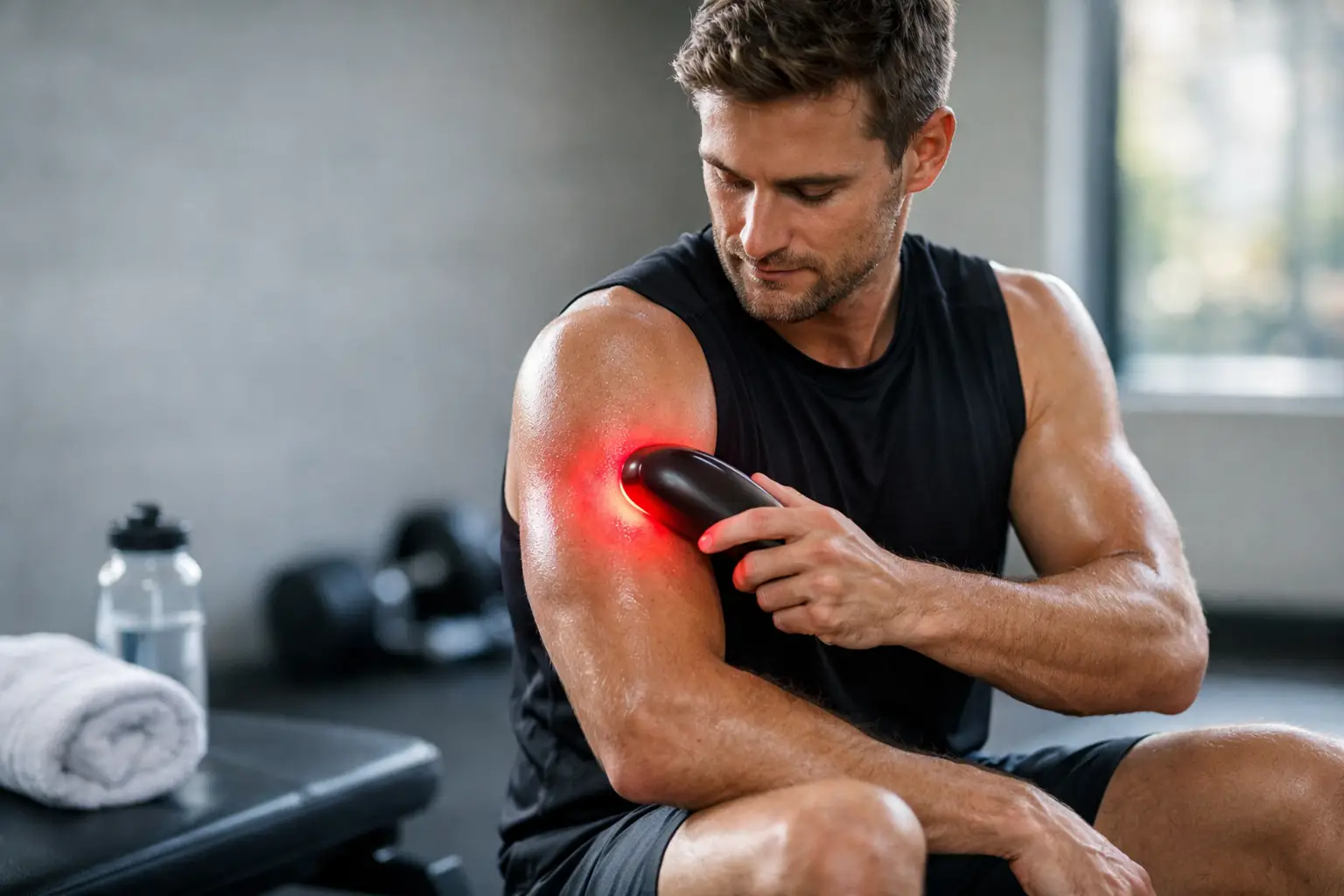
Low level light therapy has become popular in performance circles because it may help reduce post-exercise soreness, support muscle recovery, and improve readiness between sessions. For active adults, this can mean fewer lost days after a demanding workout. For serious athletes, it can mean a smarter recovery routine that helps keep the body available for the next session.

Injury recovery is another major area of interest. Strains, sprains, overuse issues, and soft tissue irritation often involve inflammation and damaged tissue that need time and support to improve. Light therapy can be used as part of a recovery plan to encourage healing while helping people stay engaged in the process.

Why faster recovery matters beyond sports

You do not need to be a professional athlete to care about recovery. If your knee pain keeps you from taking walks, if your shoulder acts up every time you reach overhead, or if a weekend project leaves you sore for days, recovery affects quality of life.

Healing support is not just about winning games. It is about staying active enough to live the life you want.

Reduced inflammation and improved circulation

Inflammation is a normal part of healing, but when it lingers or becomes excessive, it can create more pain and slower progress. Many people looking into light therapy are really looking for a way to calm an irritated system.

One of the most talked-about low level laser therapy benefits is its potential to support a healthier inflammatory response. That can be useful in both short-term injuries and ongoing conditions where swelling and irritation contribute to discomfort.

Circulation also plays a role here. Better blood flow helps deliver oxygen and nutrients where the body needs them most. Tissues that receive stronger support often have a better environment for repair. This is one reason people use light therapy for sore muscles, stiff joints, and areas that seem slow to bounce back.

Support for joint health and mobility

Stiff joints can make everything harder. Getting out of bed, climbing stairs, lifting groceries, getting through a workout – none of it feels simple when movement hurts.

Light therapy is often used by people dealing with arthritis and general joint discomfort because mobility improves when pain and inflammation ease. Some users notice they move more freely. Others notice less stiffness first thing in the morning or after long periods of sitting.

There is an important trade-off to understand here. Light therapy can support better joint comfort and function, but it may not reverse structural changes in a severely damaged joint. That means expectations should be realistic. The value is often in making daily movement easier, not promising a miracle overnight.

For many people, that is more than enough. Moving with less pain can change the entire tone of a day.

A non-invasive option that fits real life

One reason people stick with light therapy is convenience. There is no surgery, no needles, and no long recovery window after treatment. That makes it easier to use consistently, and consistency is where results tend to build.

This matters for busy adults balancing work, family, workouts, and recovery. A wellness tool only helps if you can actually keep using it. Home-use options have made light therapy more practical for people who want ongoing support without constant appointments.

That said, not every device is created equal. Wavelength, power, treatment area, and delivery method all affect the experience. Some systems also use pulsed frequency modulation, which adds another layer to how light is delivered to the body. For people comparing options, those differences are worth paying attention to.

Confidence, momentum, and getting back to yourself

The physical benefits are what draw most people in, but the emotional payoff is often just as meaningful. When pain starts to ease and movement improves, life opens up again.

You might return to training without fear of the next flare-up. You might get through a workday without counting the hours until you can sit down. You might pick up hobbies, routines, or simple daily tasks that started to feel out of reach.

That is what makes this therapy compelling. It is not only about reducing discomfort. It is about restoring possibility.

Who may benefit most from low level laser therapy

The best candidates are usually people who want a natural, non-invasive recovery tool and are willing to use it consistently. That includes active adults with sore muscles, athletes managing recovery demands, and people dealing with chronic discomfort in areas like the knees, back, shoulders, hands, or neck.

It can also appeal to those who feel caught between doing nothing and jumping to more aggressive interventions. Light therapy may offer a middle path – supportive, practical, and easier to maintain over time.

Still, it depends on the condition. Acute injuries, chronic inflammation, and overuse problems may respond differently. Some people feel changes quickly, while others need repeated sessions before they notice meaningful relief. The key is to think of it as supportive care, not instant magic.

What to expect from treatment

Most people do best when they treat light therapy as part of a routine. Results often build over time, especially when the issue has been around for months or years. A single session may feel good, but a pattern of use is usually what leads to more noticeable improvement.

It also helps to pair light therapy with smart habits. Good sleep, sensible movement, hydration, and recovery-friendly training choices all matter. The body heals best when multiple pieces are working together.

For people who want a drug-free option that supports pain relief, healing, mobility, and performance, this can be a strong addition to that bigger picture. Life Light is built around that idea – helping people live better, recover stronger, and move forward with less pain holding them back.

If pain has been setting the limits, the right support can start changing that. Sometimes the biggest benefit is not just feeling better. It is getting your life back in motion.