The moment pain changes how you move, it starts taking more than physical comfort. It can mean skipping a workout, avoiding stairs, sitting out a weekend with family, or wondering whether relief always has to come in a pill. Healing light therapy benefits appeal to people who want another path: a non-invasive way to support the body’s natural recovery process and get back to living on their terms.
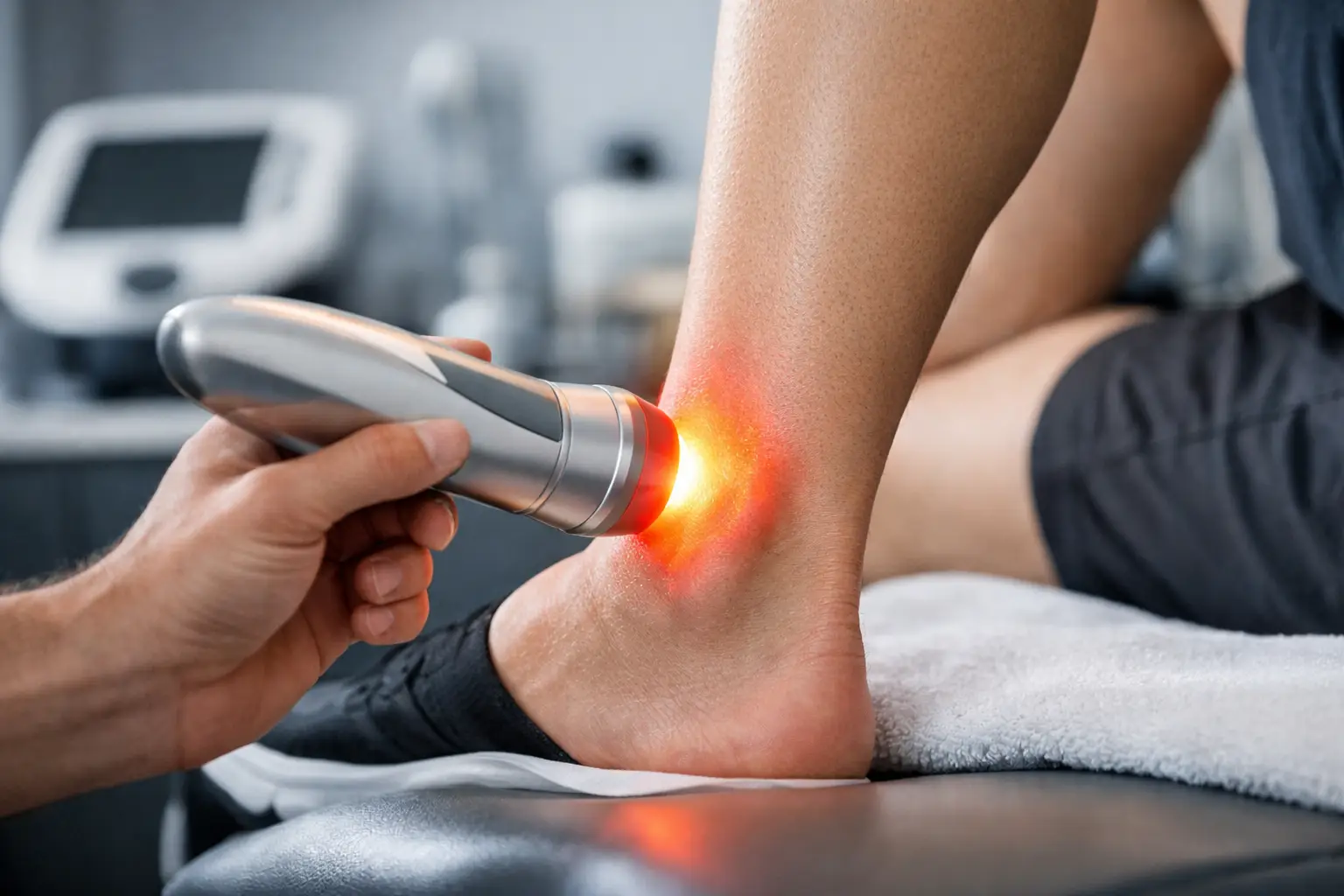
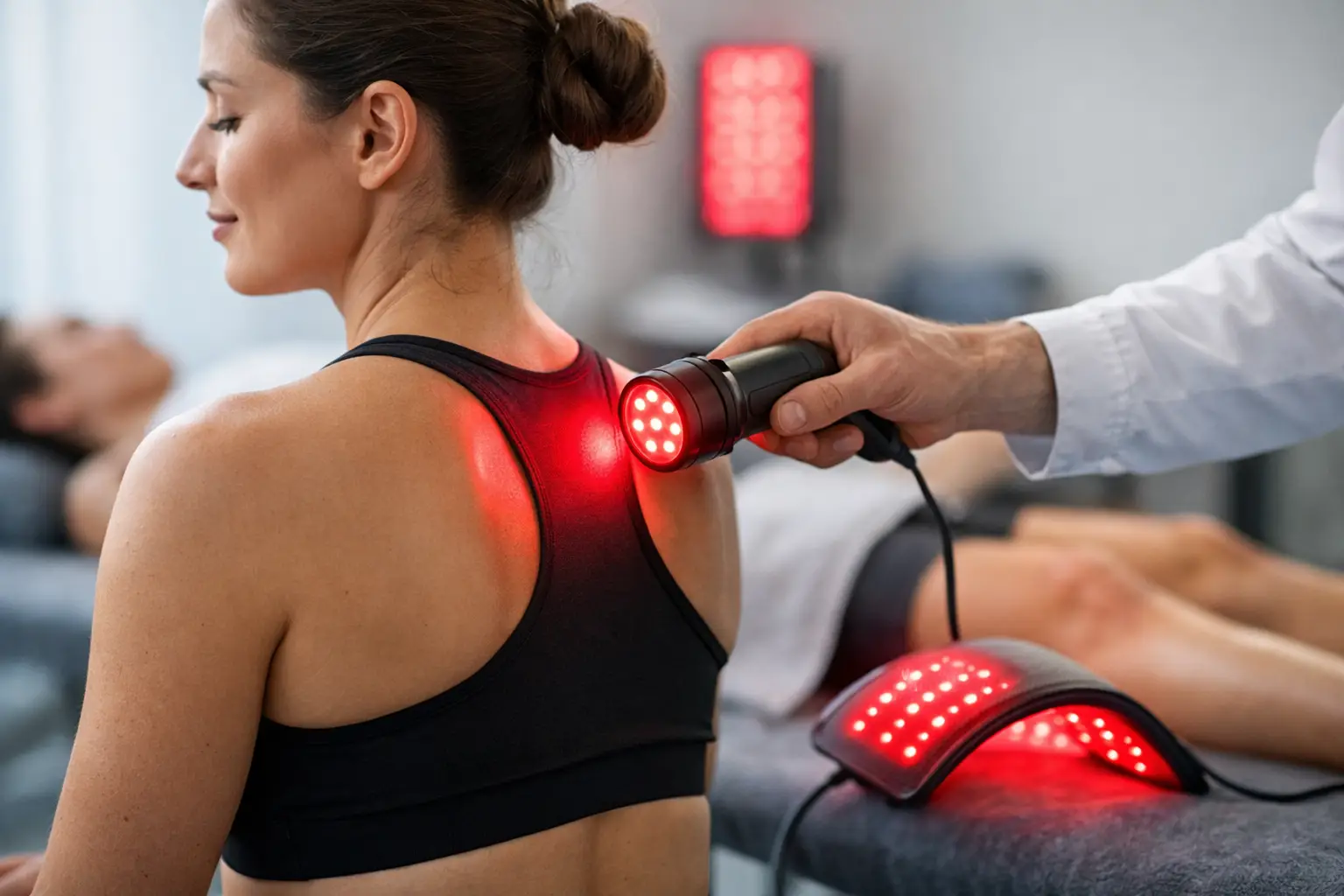
Low level light therapy, often called photobiomodulation, uses specific wavelengths of red and near-infrared light to reach tissue without heating or damaging the skin. It is used by people managing everyday aches, arthritis discomfort, lingering injuries, and demanding training schedules. The goal is not to mask the signal your body is sending. It is to support the cellular work involved in recovery.
What Healing Light Therapy Benefits Can Support
Light therapy is not a magic switch, and results are personal. The condition being addressed, how long it has been present, treatment consistency, device quality, and overall health can all affect the outcome. Still, when used appropriately, low level light therapy may be a meaningful addition to a pain-management or performance routine.
Pain relief without medication
One of the most sought-after benefits is support for temporary pain relief. Low level light may help calm inflammatory activity and influence the way pain signals are processed in treated tissue. For someone with a sore shoulder after repetitive work, stiff knees after a long walk, or a back that feels tight after hours at a desk, that can make daily movement feel more manageable.
This does not mean light therapy replaces medical evaluation for severe, sudden, or unexplained pain. It can, however, be a drug-free option for people who want to reduce their reliance on medication-based comfort strategies where appropriate. Many people value having a tool they can use at home, before discomfort becomes the reason they stop moving altogether.
Recovery after exercise and injury
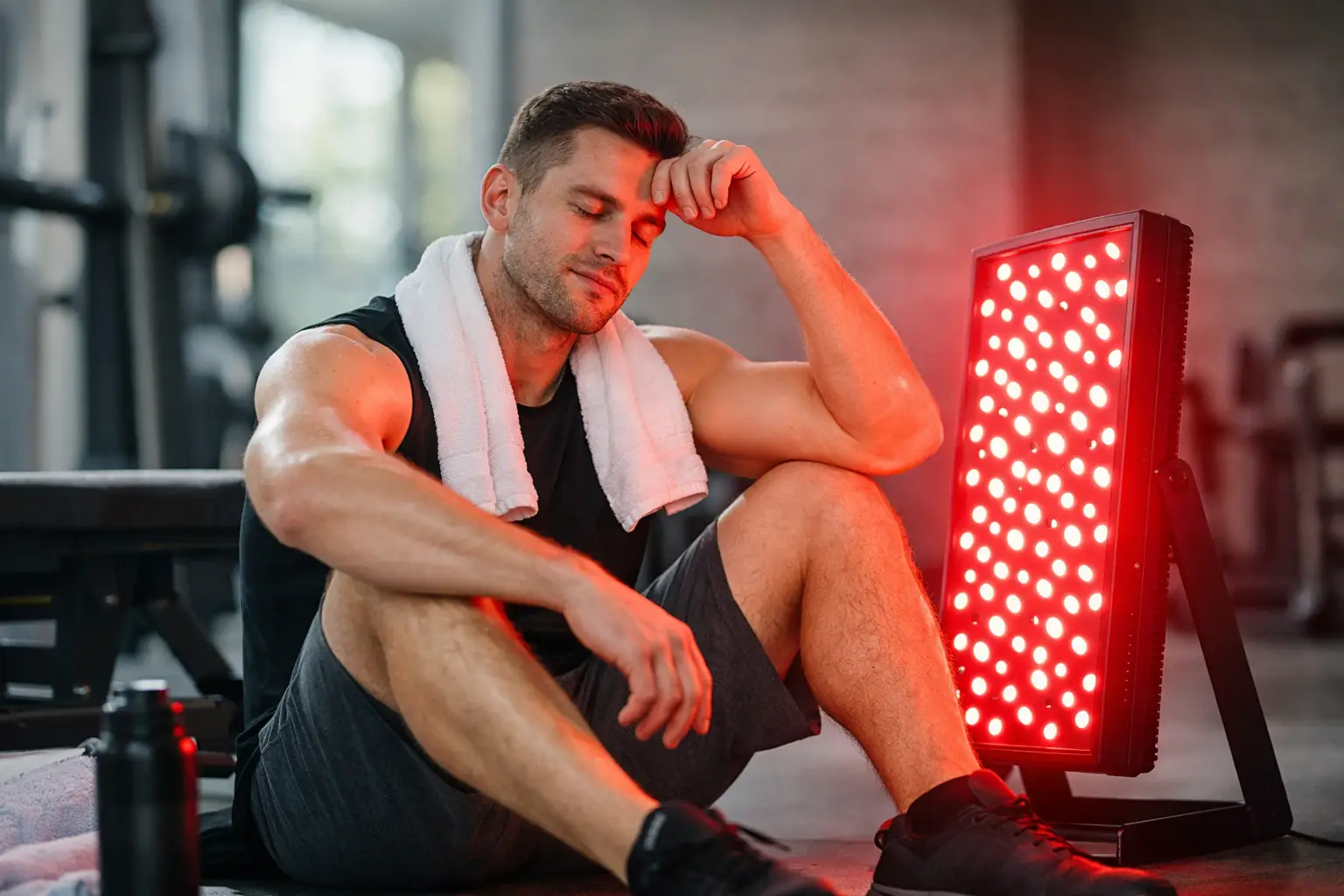
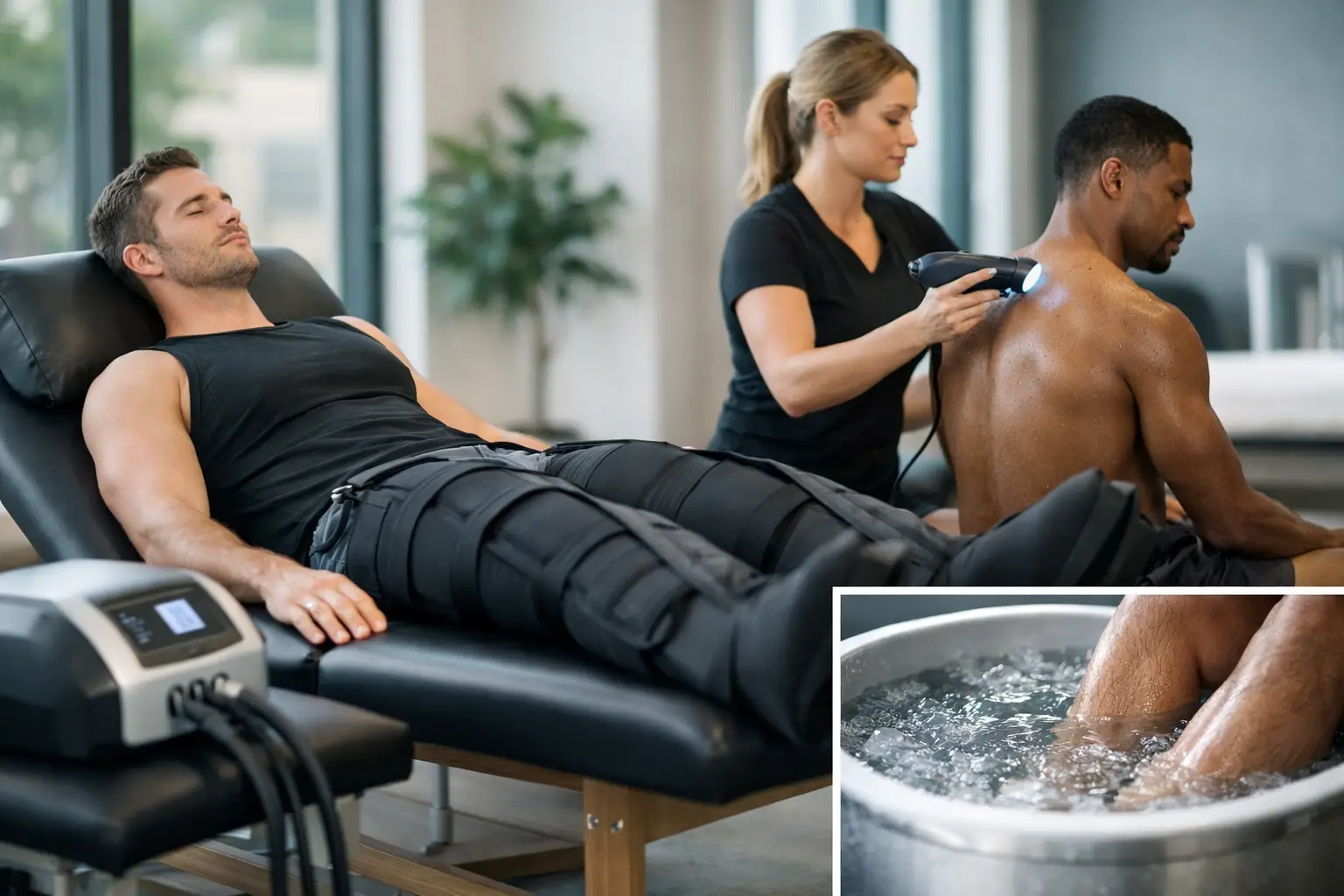
Hard training creates a recovery demand. Muscles, tendons, and joints need time and resources to adapt. Red and near-infrared light are studied for their ability to support cellular energy production, commonly associated with mitochondrial activity. In practical terms, that may help the body manage post-workout soreness and support normal tissue recovery.
For athletes, the potential benefit is straightforward: spend less time feeling held back and more time preparing for the next session. For active adults, it can mean supporting recovery after gardening, a long hike, a recreational game, or the return to movement after a minor strain.
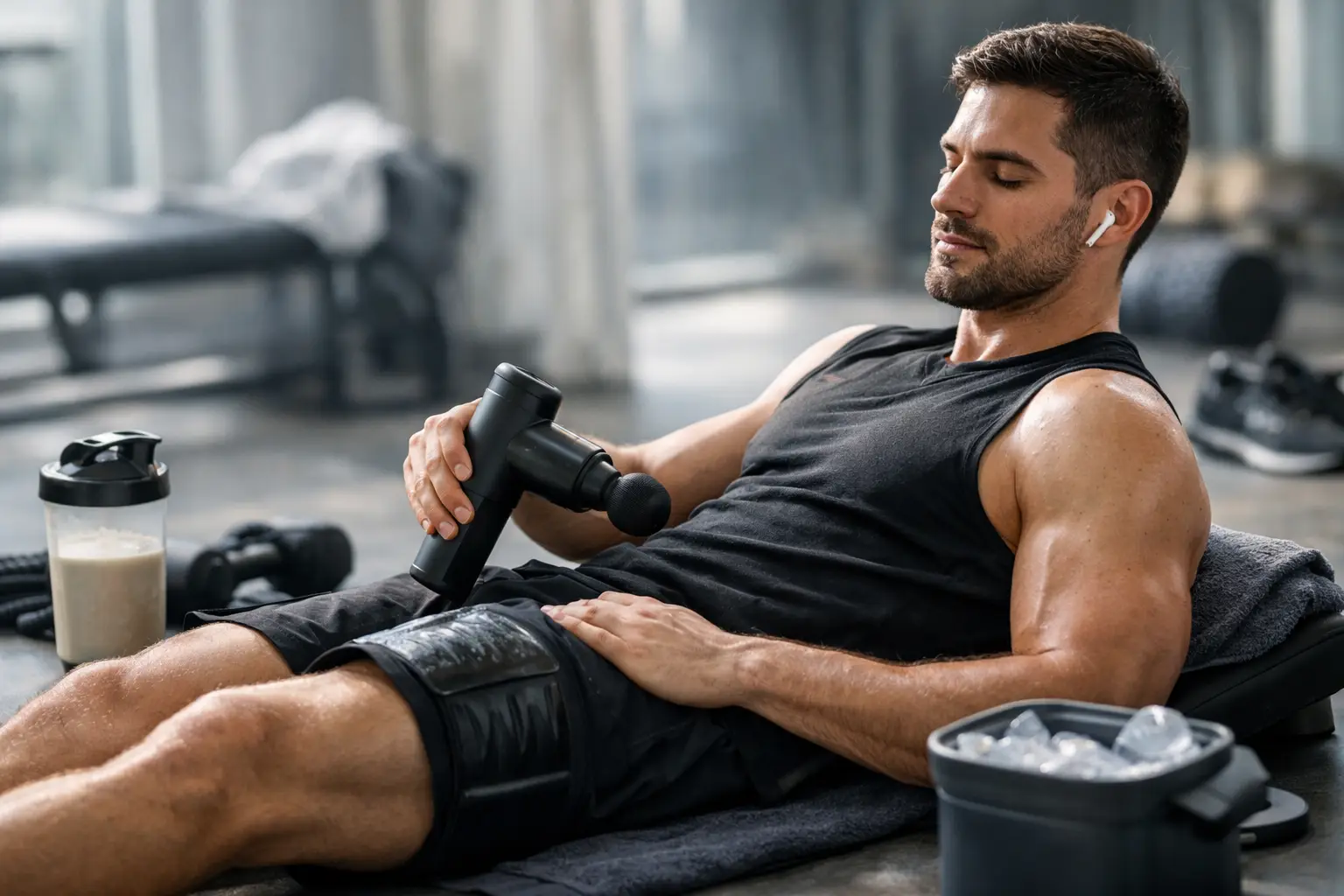
Light therapy is most useful when it supports a complete recovery plan. Smart training progression, hydration, sleep, nutrition, mobility work, and professional guidance after an injury still matter. Think of it as a way to reinforce your recovery habits, not as permission to push through sharp pain or ignore a serious injury.
Support for circulation and tissue health
Healthy circulation helps deliver oxygen and nutrients where the body needs them. Research into photobiomodulation suggests that light may support local microcirculation and cellular signaling involved in tissue repair. That is one reason people use it around areas that feel chronically tight, overworked, or slow to bounce back.
The effects can be subtle at first. You may notice that a joint warms up more easily, morning stiffness feels less disruptive, or your usual movement routine becomes easier to maintain. These changes matter because consistency is often the difference between staying active and gradually giving up the activities you enjoy.
Mobility, comfort, and confidence
Pain has a way of shrinking a person’s world. If your knee hurts, you may avoid walking. If your neck is stiff, you may stop checking blind spots comfortably while driving. If a shoulder flares up, reaching overhead can become a calculation.
By supporting comfort and recovery, light therapy may help people move with more confidence. That benefit is not just about a number on a pain scale. It is about returning to the gym, picking up a grandchild, working in the yard, or taking the stairs without negotiating with your body first.
Why Wavelength, Power, and Consistency Matter
Not every light device is built for the same purpose. A bright-looking light is not automatically a therapeutic one. Effective low level light therapy depends on appropriate wavelengths, sufficient power output, treatment time, and a design that can deliver light to the intended area.
Red light is generally used for more surface-level concerns, while near-infrared light can reach deeper into soft tissue. The right approach depends on what you are treating. A superficial skin concern is different from a deep muscle group, a stiff knee, or a tendon that has been repeatedly stressed.
Consistency is equally important. One session may feel good, but meaningful progress usually comes from following a regular protocol over time. Acute soreness may respond differently than a chronic issue that has built up over years. Start with the device instructions, track changes in pain, mobility, and activity tolerance, and give the routine enough time to show you what it can do.
Life Light brings another consideration to the conversation: pulsed frequency modulation. Along with delivering low level light, the system uses pulsed frequencies intended to support cellular stimulation through light and frequency. For users who want a home-use tool that can support both everyday relief and high-performance recovery, this added approach is designed to make each session purposeful and easy to fit into real life.
Who May Benefit Most From Light Therapy?
People often turn to light therapy because they are tired of choosing between doing too much and doing nothing. It may be especially useful for adults who experience recurring joint stiffness, muscle soreness, arthritis-related discomfort, overuse aches, or sports-related recovery needs.
It can also fit well into a preventive routine. A runner may use it on frequently stressed areas after training. A strength athlete may include it after demanding leg days. Someone who works on their feet may use it to support comfort after a long shift. The goal is not to wait until you are sidelined. It is to make recovery part of how you stay ready.
For chronic conditions, keep expectations realistic. Light therapy may help support comfort, function, and quality of life, but it is not a cure for arthritis, nerve conditions, or other complex medical diagnoses. If you have ongoing symptoms, combine home care with guidance from a qualified healthcare professional.
How to Use Light Therapy More Intentionally
Start by identifying the area that limits you most. Is it the knee that complains after walking? The shoulder that feels restricted during training? The low back that tightens after work? Treating with intention makes it easier to notice whether your routine is helping.
Use the device according to its recommended session length and placement. More is not always better. Light therapy follows a dose-response relationship, so excessive treatment does not necessarily produce better results. Stay consistent, and avoid changing five other parts of your routine at the same time if you want a clear sense of what is working.
Pair sessions with supportive habits. Gentle movement after treatment may feel good for some people, while others prefer using light therapy after activity as part of a wind-down routine. Listen to your body. If pain is worsening, causes weakness or numbness, follows a major injury, or comes with swelling, fever, or other concerning symptoms, seek medical care rather than self-treating.
A Practical Choice for Staying in the Game
The strongest healing light therapy benefits are often the ones you can feel in daily life: getting out of bed with less stiffness, returning to a favorite workout, recovering with greater confidence, or simply having more good days than difficult ones. Results may be gradual, but gradual progress is still progress.
Pain does not have to make every decision for you. With consistent care, realistic expectations, and a recovery tool that fits your routine, you can support the body that carries you through work, competition, family, and everything else worth showing up for. Live better. Live brighter.