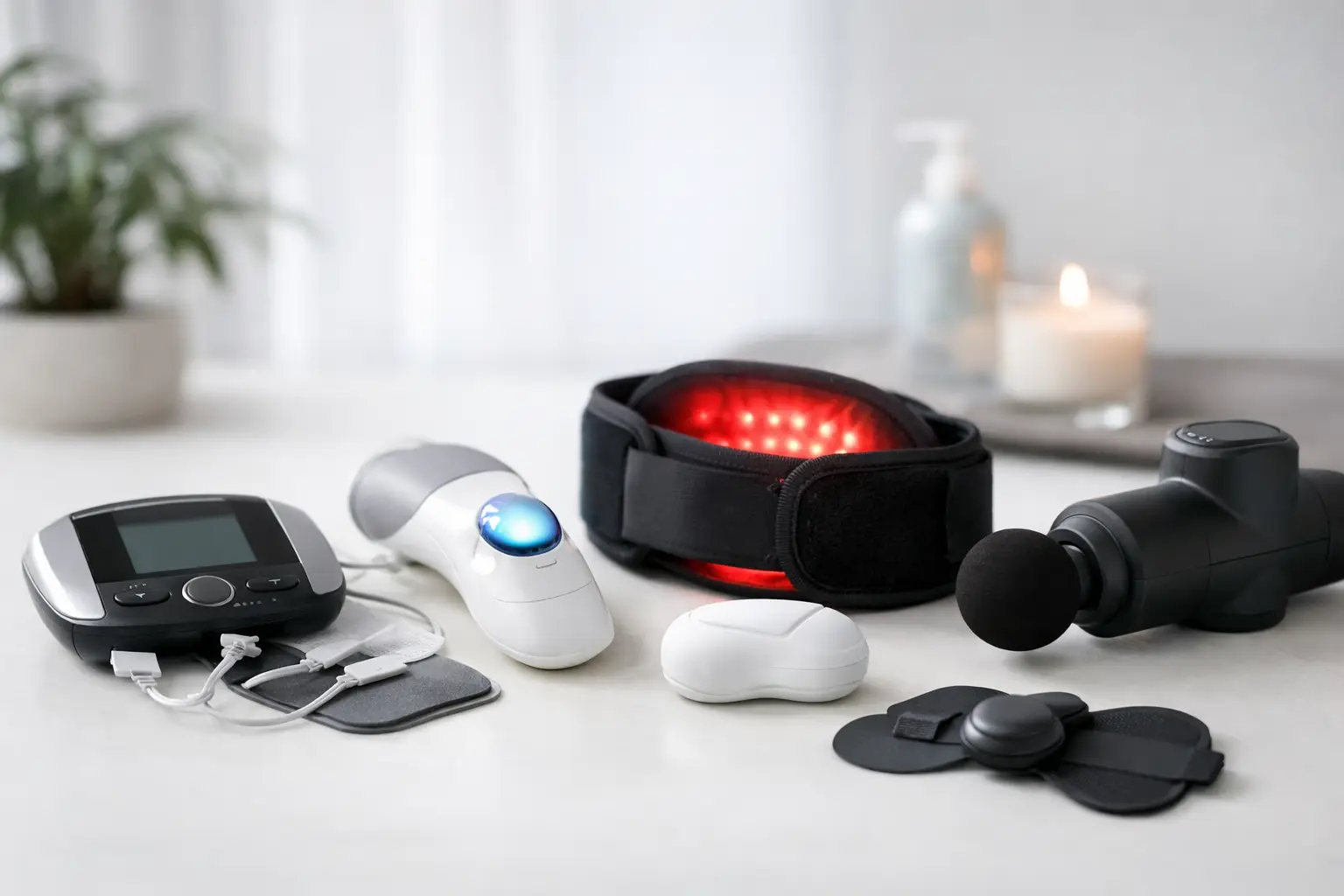
Best Chronic Pain Device Alternatives

Best Chronic Pain Device Alternatives

If your pain routine revolves around one machine, one prescription, or one appointment on the calendar, you already know the problem – relief can feel limited, expensive, or hard to maintain. That is why more people are searching for chronic pain device alternatives that fit real life: options you can use consistently, without feeling stuck between medication and invasive care.

For some people, the goal is simple. They want to get through the workday without stiffness, sleep without throbbing joints, or walk, train, or lift without paying for it the next morning. For others, it is about staying independent and active for the long run. Either way, the best alternative is not always the newest gadget. It is the option that matches your pain pattern, your lifestyle, and your willingness to stay consistent.

What people really mean by chronic pain device alternatives

Most people looking for alternatives are trying to move away from a narrow pain-management path. Maybe a TENS unit helps for an hour but does not create lasting progress. Maybe heat feels good but only while it is on. Maybe pain medication dulls symptoms but leaves you foggy, dependent, or frustrated.

When people search for chronic pain device alternatives, they are usually looking for one of three things: a more natural option, a more practical home solution, or something that supports both relief and recovery. That distinction matters. Some devices mainly interrupt pain signals. Others aim to support circulation, tissue recovery, inflammation balance, or daily function. Those are not the same outcome.

The strongest choice often depends on whether your pain is tied to arthritis, old injuries, nerve irritation, overtraining, muscle tension, or general inflammation. A device that works well for post-workout soreness may not be the best fit for long-term joint pain. A solution that helps nerve-related discomfort may not do much for stiffness caused by chronic overuse.

The most common chronic pain device alternatives

There is no single winner for everyone, but there are a few categories worth understanding before you buy anything.

Low level light therapy

Low level light therapy has become one of the most compelling non-drug options for people who want more than temporary distraction from pain. Instead of masking symptoms, it is used to support the body at the cellular level with light energy. Many people turn to it for joint pain, inflammation, soft tissue irritation, recovery after activity, and ongoing discomfort that keeps returning.

What makes this category attractive is that it is non-invasive, drug-free, and practical for home use. It also fits both sides of the market: people dealing with daily chronic discomfort and athletes who need faster recovery and performance support. That overlap matters because pain relief is only part of the picture. Being able to move better, train again, or simply keep up with daily life is the bigger win.

Not all light therapy systems are built the same. Differences in power, wavelength, treatment area, and delivery method can affect the user experience. Some systems also use pulsed frequency modulation, which adds another layer to how light is delivered. For users who want a wellness-forward option that supports relief while helping them stay active, this category deserves serious attention.

TENS and electrical stimulation

TENS units are familiar, affordable, and widely available. They work by sending electrical impulses through the skin to influence how pain is perceived. For some users, that can bring short-term comfort, especially with muscle tension or certain localized pain areas.

The trade-off is that TENS is often more about symptom interruption than deeper recovery support. Some people love the immediate sensation and easy setup. Others find the pads inconvenient, the feeling unpleasant, or the relief too temporary. If you already know TENS gives you only a brief window of comfort, it may not be enough as a stand-alone answer.

Heat and infrared devices

Heat remains popular because it feels good fast. It can help muscles relax, improve comfort, and loosen up stiffness, especially in the morning or before movement. Infrared heating products take that idea further and are often marketed as deeper-penetrating wellness tools.

Still, heat-based options are usually best viewed as supportive rather than complete. They can be useful before exercise, after a long day, or during flare-ups, but they may not address the full cycle of inflammation, tissue stress, and recurring pain on their own. For some people, heat is part of the routine, not the whole routine.

Massage guns and percussion tools

These tools are often associated with fitness recovery, but many people with chronic muscle tightness use them for everyday relief. They can help reduce the feeling of tightness, improve circulation, and temporarily improve mobility in overworked areas.

The limitation is precision and tolerance. If your pain is nerve-related, inflammatory, or centered around sensitive joints, a percussion device may feel too aggressive. It can be effective for muscle knots and recovery work, but less useful for widespread chronic discomfort or pain that flares with pressure.

Compression and support devices

Compression boots, wraps, braces, and sleeves can make a real difference for swelling, stability, and post-activity recovery. They are especially helpful when pain is linked to overuse, circulation issues, or joint instability.

But support devices can become a crutch if they replace strength, mobility, or tissue recovery. They tend to work best when used strategically, not as the only answer. If a brace helps you move, that is valuable. If you cannot function without it, there may be a deeper issue still waiting to be addressed.

How to choose the right alternative for your pain

The best device is not always the one with the loudest claims. Start by asking a more useful question: what kind of relief are you actually after?

If you need quick comfort before bed or before movement, heat or TENS may help. If your pain is tied to exercise recovery, muscle workload, or staying ready for the next session, percussion tools or compression may have a place. If you want a non-drug option that supports both pain relief and the recovery process, low level light therapy often stands out.

Consistency matters more than intensity for many chronic conditions. A device you can use safely and regularly at home often beats a more powerful option you only use once in a while. That is especially true for people managing arthritis, inflammation, repetitive strain, or long-term pain patterns.

It also helps to think beyond pain scores. Better sleep, easier movement, less morning stiffness, faster recovery after activity, and fewer bad days in a month are meaningful signs of progress. Relief is not always dramatic at first. Sometimes it shows up as getting off the sideline and back in the game, or simply getting through a normal day without planning around discomfort.

Why light therapy is getting more attention

A lot of pain tools are built around one narrow promise: numb it, distract it, or support it from the outside. Light therapy has gained momentum because it speaks to something bigger. People want a natural way to support healing, not just a temporary break from symptoms.

That does not mean every light device will produce the same experience, and it does not mean results are identical for every condition. But for people who want to avoid a medication-heavy path, the category offers a strong mix of convenience, safety, and performance potential. It works in the space where wellness and recovery meet.

That is one reason brands like Life Light resonate with both chronic pain sufferers and athletes. The appeal is not just comfort. It is the idea that you can support your body, recover smarter, and keep moving forward with a device that fits daily life.

What to watch out for before you buy

The pain relief market is full of products that overpromise and underdeliver. Be cautious with devices that make universal claims, ignore condition-specific differences, or pretend one treatment works equally well for every body.

Look for practical details. Is the device easy to use consistently? Does it match the area you need to treat? Does it fit your routine, whether that means ten minutes before work or recovery after training? The best option is the one you will actually keep using.

Price matters too, but value matters more. A cheaper device that sits in a drawer is not a bargain. A higher-quality device that becomes part of your daily recovery rhythm may be the better investment, especially if it helps you reduce reliance on less sustainable pain strategies.

Pain changes how people live. It shrinks routines, limits confidence, and makes simple movement feel like a negotiation. The right alternative can start to reverse that. If you are weighing your options, look for the device that does more than interrupt discomfort. Look for one that helps you live better, move brighter, and feel more like yourself again.
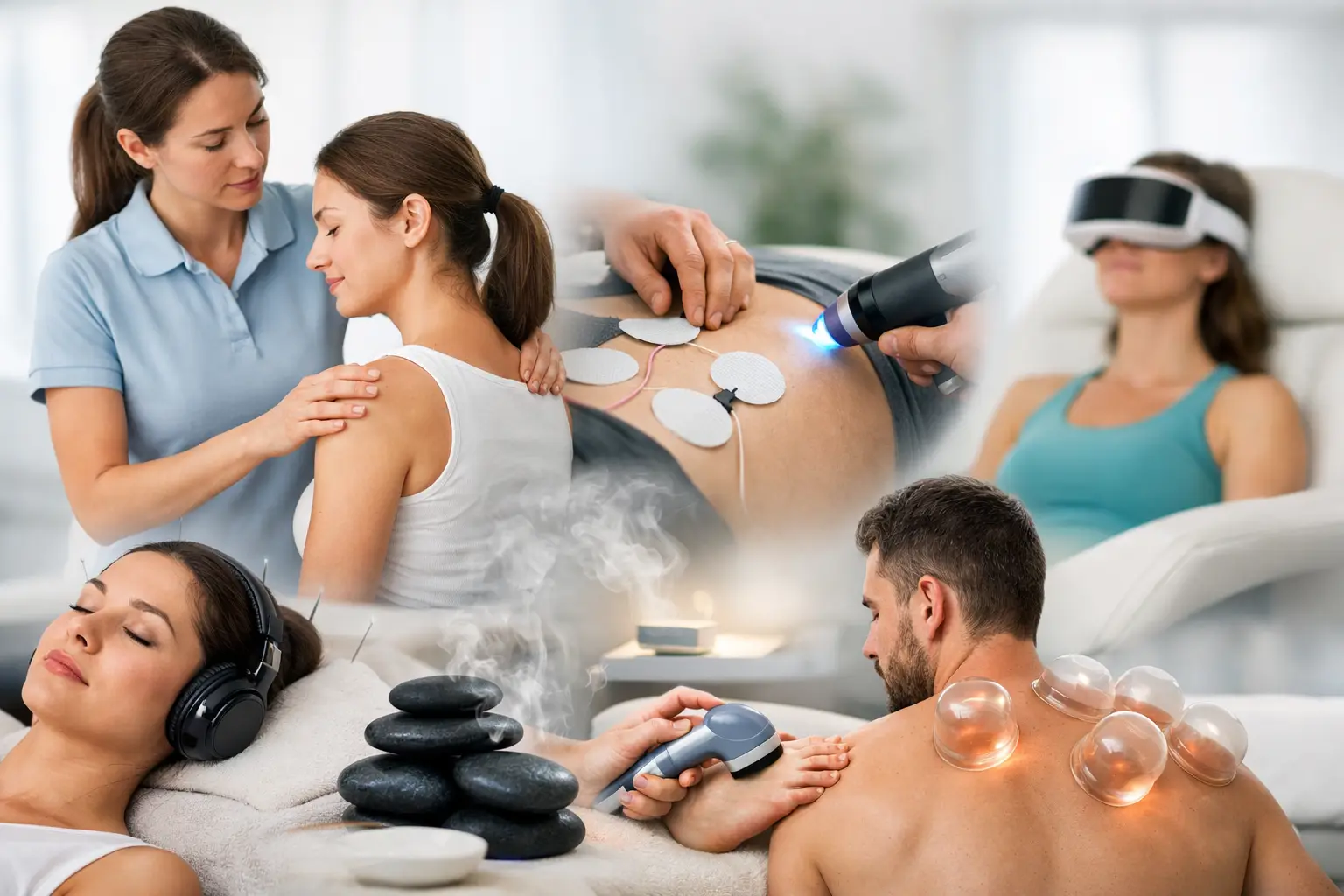
7 Top Non Invasive Pain Treatments

7 Top Non Invasive Pain Treatments

Pain has a way of shrinking your world. One sore knee changes how you train. A stiff back changes how you sleep. Ongoing inflammation can turn simple routines into daily negotiations. That is why more people are searching for top non invasive pain treatments that help them feel better without leaning on medication or facing a procedure they are not ready for.

The good news is that non-invasive care is no longer limited to rest and waiting it out. Today, there are multiple options that can help reduce pain, support healing, and get you moving again. The right choice depends on what is driving your pain, how long it has been there, and whether your goal is everyday comfort, faster recovery, or long-term performance.

What makes the top non invasive pain treatments worth considering

Non-invasive pain treatment usually means there is no surgery, no incision, and little to no downtime. For many people, that matters just as much as pain relief itself. If you are trying to stay active, keep working, or avoid another cycle of pills and side effects, these approaches offer a different path.

That does not mean every option works the same way. Some target inflammation. Some help retrain movement. Some support the body’s repair process. The best results often come from matching the treatment to the problem instead of chasing the fastest promise.

1. Low level light therapy

Low level light therapy has become one of the most talked-about non-invasive options for a reason. It uses specific wavelengths of light to support cellular function, circulation, and tissue recovery. For people dealing with joint pain, muscle strain, arthritis, or sports-related soreness, that can translate into less pain and better mobility.

What makes this approach appealing is that it is drug-free and easy to use consistently. That matters because healing and pain relief often build through repetition, not one dramatic intervention. Many people use light therapy as part of a larger recovery routine, while others rely on it for ongoing support with chronic discomfort.

Not all devices are built the same, though. Power, wavelength, treatment area, and delivery method all affect results. Some advanced systems also use pulsed frequency modulation, which adds another layer to how the light interacts with the body. For users who want a practical at-home option with a strong recovery focus, this category stands out. Life Light sits in that conversation because it pairs low level light therapy with pulsed frequency delivery in a format designed for both everyday pain relief and athletic recovery.

2. Physical therapy and corrective movement

If your pain keeps coming back, there is a good chance movement patterns are part of the story. Physical therapy addresses the mechanics behind pain, not just the sensation itself. That can be a game changer for back pain, neck tension, post-injury weakness, and joint instability.

A strong program can improve mobility, rebuild support around the painful area, and reduce the strain that keeps aggravating tissue. This is especially useful for athletes and active adults who do not just want to feel better for a day. They want to return stronger and move with confidence.

The trade-off is that physical therapy requires effort and consistency. It is not passive. The sessions matter, but so does doing the work at home. For people willing to stay engaged, it is one of the top non invasive pain treatments because it can create long-term change rather than short-term masking.

3. Chiropractic care

Chiropractic care is often used for spine-related pain, tension headaches, neck pain, and some forms of joint discomfort. The goal is usually to improve alignment, reduce pressure, and restore better movement in restricted areas. When the issue is mechanical, that can bring real relief.

Some people respond quickly to adjustments. Others need a broader plan that includes mobility work, strength support, and recovery tools. Chiropractic care tends to work best when it is part of a thoughtful strategy instead of a stand-alone fix for every kind of pain.

This is also a category where provider quality matters a lot. A careful evaluation, clear treatment plan, and good communication make a difference. If pain is sharp, radiating, or linked to a more serious condition, a full medical workup should come first.

4. Massage therapy and soft tissue work

When pain is tied to tight muscles, overuse, stress, or limited circulation, massage therapy can help reduce tension and improve how the body feels and moves. It is commonly used for shoulder pain, muscle knots, post-workout soreness, and chronic stiffness.

Soft tissue work can also complement other therapies. For example, loosening restricted muscles may help someone get more from stretching, corrective exercise, or light therapy. In that sense, massage is often less about fixing the whole problem on its own and more about creating the right conditions for recovery.

The limitation is that relief may be temporary if the root cause is not addressed. If weak hips are contributing to low back pain, or poor shoulder mechanics are driving tension, the body may return to the same pattern. Still, for symptom relief and improved range of motion, massage remains a valuable option.

5. Acupuncture

Acupuncture has been used for a wide range of pain issues, including migraines, arthritis, back pain, and neck pain. It works differently from most mainstream Western approaches, but many people report meaningful relief, especially when conventional care has not delivered enough progress.

One reason acupuncture remains popular is that it can calm the body while addressing pain. For people whose symptoms are amplified by stress, tension, or poor sleep, that whole-body effect can be part of why it helps. Pain is rarely just physical friction. The nervous system plays a role too.

As with other therapies, results vary. Some feel a difference quickly, while others need multiple sessions. It may not be the first choice for every athlete looking for immediate return-to-play support, but for chronic pain sufferers wanting a non-drug option, it is worth considering.

6. Heat and cold therapy

Simple does not mean weak. Heat and cold therapy remain popular because they are accessible, affordable, and effective for the right situation. Ice can help calm swelling and numb acute pain after a flare-up or fresh injury. Heat can relax tight muscles and improve circulation before movement or at the end of a long day.

The key is using each one at the right time. Cold is usually more helpful when inflammation is high or the area feels hot and irritated. Heat is often better for stiffness, chronic tension, and preparing the body to move. Mixing them up can leave people frustrated and convinced nothing works.

These methods are rarely complete solutions for chronic pain, but they can be excellent supporting tools. Think of them as reliable building blocks in a broader recovery plan.

7. TENS and electrotherapy

TENS, or transcutaneous electrical nerve stimulation, uses mild electrical currents to help interrupt pain signals. Some users find it especially helpful for back pain, nerve-related discomfort, or sore muscles after activity. It is portable, generally easy to try, and often used at home.

What TENS does well is offer short-term relief without medication. That can help someone stay functional, sleep better, or get through a flare-up. Where it can fall short is in lasting recovery. It may reduce the feeling of pain without doing much to support tissue repair or movement quality.

That does not make it a poor option. It just means expectations matter. If the goal is temporary pain control, it can be useful. If the goal is deeper healing, it may work better as part of a combination approach.

How to choose among the top non invasive pain treatments

The best treatment is not always the newest one or the one with the biggest claims. It is the one that fits your body, your lifestyle, and the reason the pain is there in the first place.

If you are dealing with arthritis, repetitive strain, or sports recovery, low level light therapy may offer a practical way to support healing on a regular basis. If poor movement and weakness are driving the issue, physical therapy may be the smarter foundation. If your pain spikes with stress and tension, massage or acupuncture might give you more traction.

In many cases, the strongest plan combines methods. A runner with knee pain might use corrective exercise to fix mechanics, light therapy to support recovery, and cold therapy after harder sessions. Someone with chronic back pain might blend physical therapy, massage, and home-based pain relief tools to stay ahead of flare-ups.

When non-invasive treatment may not be enough

There are times when pain needs medical evaluation before any wellness strategy makes sense. Severe swelling, sudden weakness, unexplained numbness, fever, chest pain, or loss of function should not be managed with home remedies alone. The same goes for pain that keeps worsening without a clear cause.

Non-invasive care is powerful, but it is not a substitute for diagnosis when red flags are present. Confidence works best when it is paired with common sense.

The bigger opportunity is this: pain relief does not always have to mean more medication, more downtime, or more resignation. With the right non-invasive approach, many people can reduce discomfort, recover with purpose, and get back to doing what they love. Imagine life with less pain, more movement, and a body that feels ready again. That is not wishful thinking. For the right person, it is a very real next step.

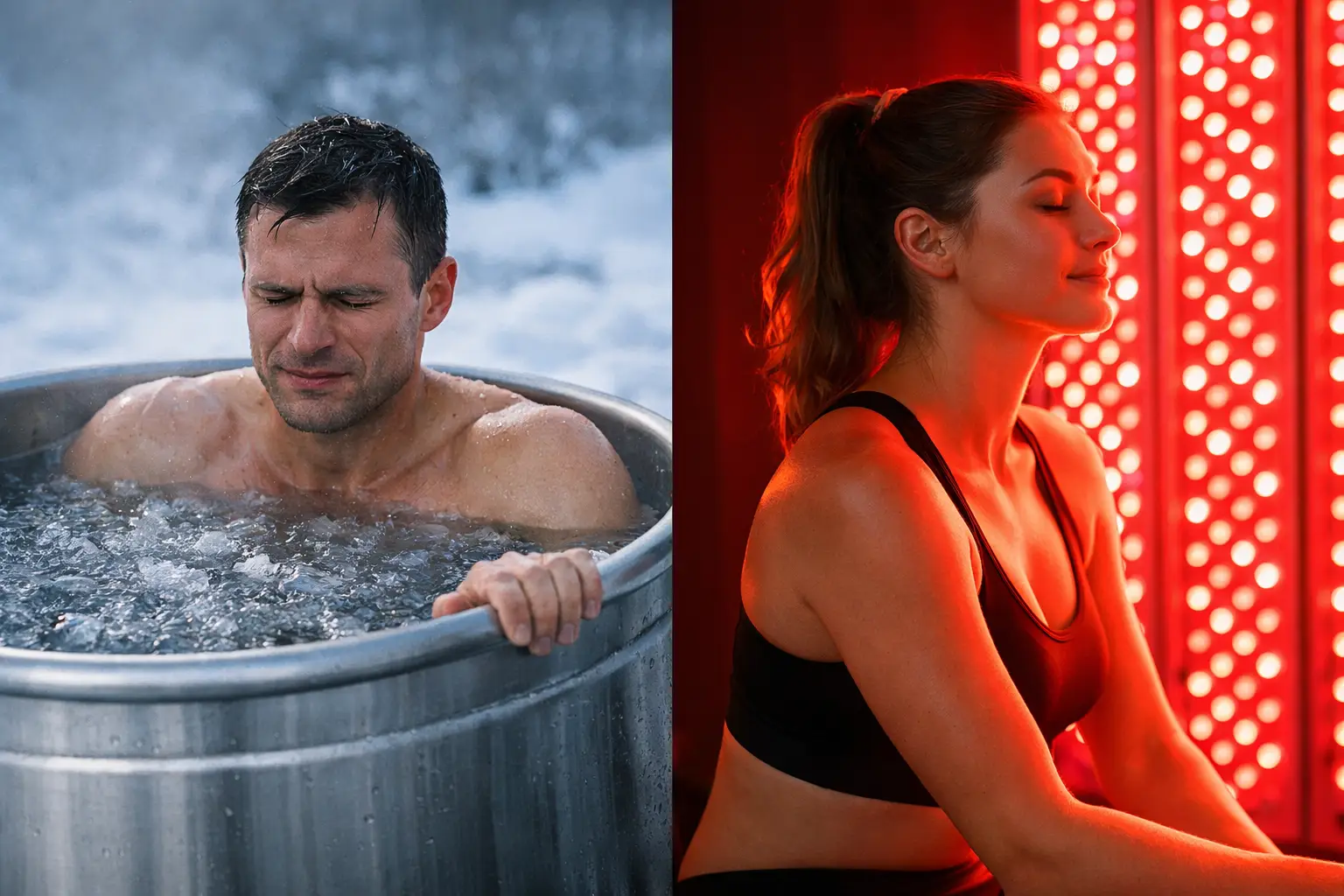
Cold Therapy vs Light Therapy for Recovery

Cold Therapy vs Light Therapy for Recovery

You twist a knee, wake up with a stiff lower back, or push through a hard workout and feel that familiar soreness set in. The question is not whether you want relief. It is which kind of relief actually helps you move better sooner. When people compare cold therapy vs light therapy, they are usually trying to solve one real problem – how to calm pain, recover faster, and get back to life without leaning harder on medication.

Both approaches have a place. Both can help. But they work in very different ways, and the better choice often depends on what your body needs right now.

Cold therapy vs light therapy: what is the difference?

Cold therapy is the classic ice pack approach. It lowers tissue temperature, narrows blood vessels, and temporarily reduces pain signals in the treated area. That is why it is often the first thing people reach for after a fresh injury or after a demanding practice, run, or game.

Light therapy, especially low level light therapy, takes a different path. Instead of cooling tissue, it uses specific wavelengths of light to support cellular activity. The goal is not to numb the area for a while. The goal is to help the body repair, recover, and function more effectively at the source.

That difference matters. Cold tends to manage symptoms in the moment. Light therapy is often used to support the healing process itself.

For someone dealing with occasional soreness, either option may sound appealing. For someone managing arthritis, recurring joint pain, tendon issues, or a training schedule that does not leave much room for setbacks, the long game becomes more important.

When cold therapy makes sense

Cold therapy is popular for a reason. It is simple, familiar, and easy to apply at home. If you have a new sprain, swelling after impact, or a hot, irritated area that needs to settle down, cold can offer quick comfort. It may help reduce swelling in the short term and can make movement feel more tolerable right away.

That short-term effect is the key benefit. Ice can dull discomfort and create a temporary sense of control when pain feels sharp or inflamed. For athletes, that can be useful after a collision, a rolled ankle, or an intense session that leaves one area angry and overworked.

But cold therapy has limits. It does not actively fuel cellular repair. It does not strengthen tissue quality. And for chronic pain, it can become a cycle of brief relief followed by the same underlying issue returning once the tissue warms back up.

Some people also find cold uncomfortable, especially if they are already sensitive, stiff, or dealing with long-standing joint pain. If your knees ache from arthritis or your neck is constantly tight, an ice pack may feel more like a temporary interruption than a meaningful solution.

Where light therapy stands out

Light therapy appeals to people who want more than a break from pain. It is used to support circulation, cellular energy production, and tissue recovery without drugs or invasive treatment. That is why it has gained traction with both people living with everyday discomfort and athletes who need to stay ready.

Instead of forcing the body to slow down through cooling, low level light therapy works by delivering light energy into tissue. At the cellular level, that energy can help support the processes tied to recovery and function. In plain terms, it is designed to help your body do what it is already trying to do – repair, restore, and reduce stress in overworked tissue.

This is where light therapy often separates itself from ice. If you are dealing with a stubborn shoulder, recurring tendon irritation, chronic back pain, or recovery fatigue from training, you may need more than a numbing effect. You may need an approach that supports tissue health over time.

That is especially relevant for people who want to stay active. Relief matters, but so does resilience. The best recovery tool is not always the one that makes the area feel different for 20 minutes. It is often the one that helps you keep showing up tomorrow, next week, and next month.

Cold therapy vs light therapy for inflammation and pain

This is where the comparison gets more nuanced.

Cold therapy is commonly used to calm acute inflammation. If an area is newly injured, visibly swollen, and painful to touch, cold may help reduce that immediate flare. It is reactive, and in many cases, that is exactly what people need in the first hours after something happens.

Light therapy is often chosen for a broader recovery role. It may help support the body’s inflammatory response rather than simply suppress sensation. That makes it appealing for ongoing issues where inflammation is part of a bigger pattern, not just a one-time event. Think of repetitive strain, overuse injuries, old injuries that keep resurfacing, and chronic joint discomfort.

Pain follows the same pattern. Ice can blunt pain quickly, but usually briefly. Light therapy may not feel as dramatic in the first minute, yet it is often valued for its potential to improve comfort through repeated use by supporting the tissue beneath the pain.

It depends on your goal. If you need immediate short-term calming after an acute flare, cold may be useful. If you want to support healing and recovery over time, light therapy often makes more sense.

For athletes, recovery is not just about feeling better

Athletes and active adults tend to ask a sharper question: will this help me perform again sooner and with more confidence?

Cold therapy can absolutely be part of that picture, especially after impact or acute overload. But if your routine includes regular training stress, repeated soreness, minor strains, and the constant need to stay off the sideline, recovery support has to go deeper than symptom control.

That is why light therapy has become part of performance-focused recovery. It fits the goal of staying in motion. Instead of waiting until pain forces rest, many people use light therapy as part of a proactive routine to support muscle recovery, joint comfort, and tissue readiness.

This is also where device quality matters. Not all light therapy is the same. Systems that combine low level light with pulsed frequency modulation aim to do more than simply shine light on the skin. They are built to stimulate cells through both light and frequency, creating a more advanced recovery approach for people who want natural support with real performance intent.

For someone training hard or trying to stay mobile through chronic pain, that difference can be meaningful. The goal is not just less pain today. It is better function tomorrow.

Can you use both?

Yes, in some cases, people use both cold therapy and light therapy, just not for the exact same purpose at the exact same moment.

For example, cold may be used right after a fresh injury when swelling and heat are pronounced. Light therapy may then become more useful as part of the recovery phase, when the focus shifts from immediate symptom control to tissue repair and return to movement.

The timing matters. So does the condition itself. A newly sprained ankle is not the same as chronic tendon pain. A post-game flare is not the same as arthritis in the hands. The more ongoing and repetitive the issue, the more valuable it can be to choose a tool that supports healing rather than only masking discomfort.

If you are unsure, it helps to think in two phases: what do I need right now, and what do I need to improve over time? Those answers are often different.

Which option is better for chronic pain?

For chronic pain, light therapy usually has the stronger long-term case.

That is because chronic pain is rarely just about one moment of inflammation. It is often tied to ongoing tissue stress, reduced mobility, recurring irritation, and a body that needs support, not just interruption. Ice may still feel good from time to time, but it often becomes a short-lived comfort measure.

Light therapy aligns more closely with what chronic pain sufferers are actually after: steady relief, better movement, and a way to stay active without feeling trapped between pain and pills. That is part of why so many people looking for a natural, drug-free option are turning toward devices they can use consistently at home.

For arthritis, nagging back pain, joint stiffness, and repetitive-use issues, consistency matters more than intensity. The best tool is the one you can realistically use and benefit from over time.

Choosing the right fit for your body

If your pain is fresh, sharp, swollen, and clearly linked to a recent incident, cold therapy may be a practical first response. If your issue is ongoing, recurring, or tied to recovery and function, light therapy is often the more complete option.

That does not make cold therapy wrong. It makes it limited.

Light therapy offers a bigger upside for people who want more than temporary relief. It is built for those who want to heal naturally, move with confidence, and stay in the game – whether that game is competitive sport, weekend training, or simply getting through the day without pain calling the shots.

Life Light speaks to that exact goal: helping people reduce pain, support recovery, and live brighter through non-invasive light therapy designed for both performance and everyday wellness.

The best recovery choice is the one that matches both your condition and your ambition. If you are trying to calm a moment, cold may help. If you are trying to change your trajectory, light therapy is worth a closer look.